Yellowstone Old Faithful geyser erupting with steam column against blue sky and forested hillside
adventurephotography

Yellowstone: Geysers, Bison, and the Caldera

The world's first national park — Old Faithful, the Grand Prismatic, bison herds crossing the road, and a supervolcano under your feet

Yellowstone National Park, United States·July 18, 2024

I drove Yellowstone in July 2017, the peak of peak season, which is the worst time in some respects (crowds, reserved accommodation, park traffic) and the best in others (the bison have calved, the wildflowers are up, the geysers are performing at full capacity in the summer heat). The park is 3,468 square miles — larger than Rhode Island and Delaware combined — and the Grand Loop Road that connects the main sites is 142 miles of two-lane road. Plan accordingly.

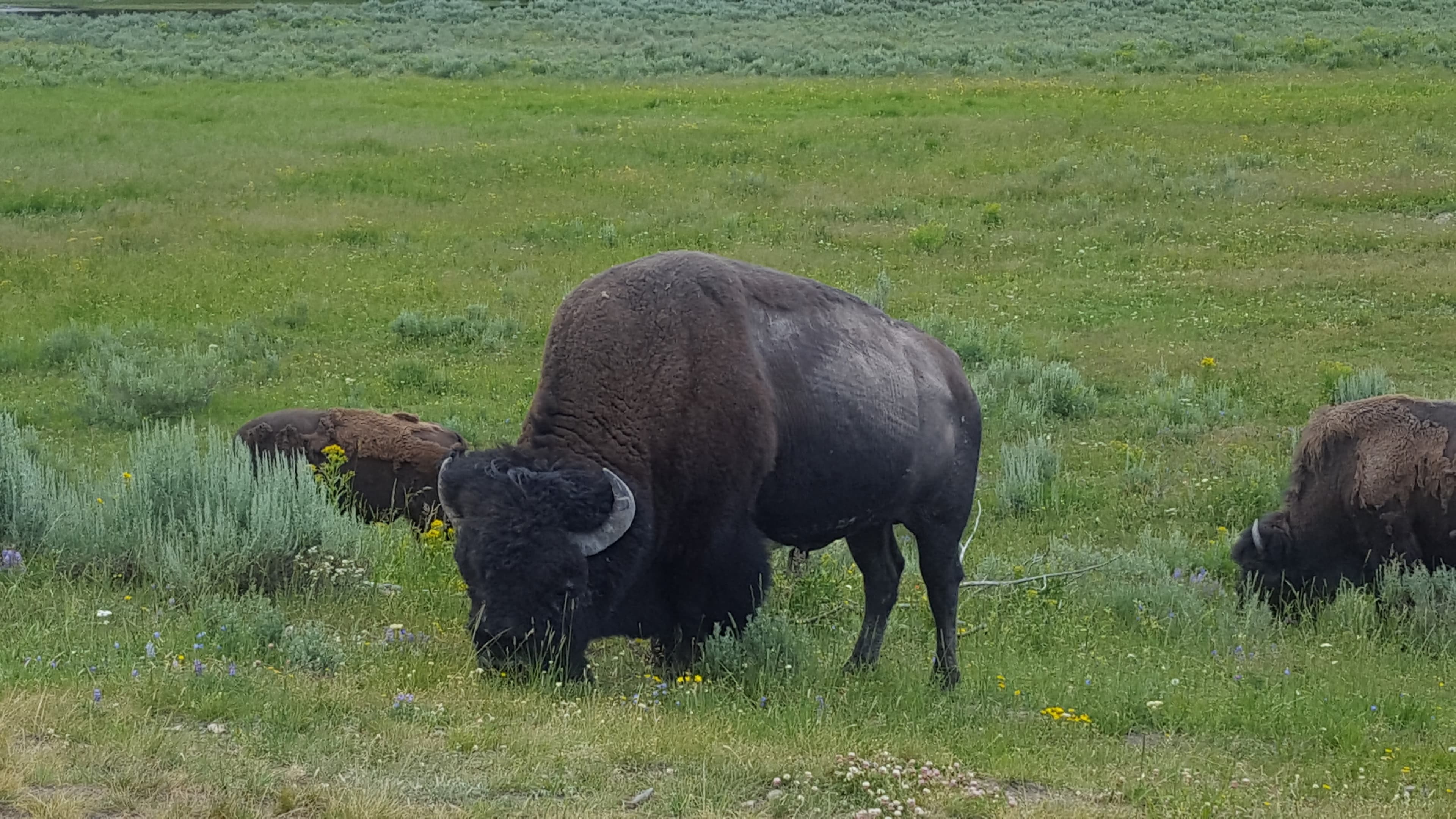
The first thing that resets your expectations about Yellowstone is the bison. There are approximately 4,500 of them in the park, and they treat the roads as their own infrastructure. Bison jams — a herd walking along the road as traffic builds up behind them — are common enough that they've stopped feeling extraordinary. The animals are enormous up close. The bulls can weigh 2,000 pounds. Watching one cross the road ten feet from your car is both terrifying and entirely ordinary by the third day.

The Geothermal Features

Old Faithful erupts roughly every 90 minutes, sending a column of steam and hot water 130 to 180 feet in the air. The eruption itself lasts three to five minutes. The crowd around it at peak hours is substantial. The correct approach is to arrive early, find a seat on the benches, and watch the sequence: the preliminary rumblings, the false starts, the build, and then the eruption proper. It is genuinely impressive every time, regardless of how many photographs you've seen.
Yellowstone Grand Prismatic Spring aerial view showing the vivid rainbow ring colours from thermophilic bacteria
The Grand Prismatic Spring from the overlook trail. The colours are caused by thermophilic bacteria living in specific temperature rings around the spring.

Grand Prismatic and the Upper Geyser Basin

The Grand Prismatic Spring is the largest hot spring in the United States and the third largest in the world — 300 feet across, 160 feet deep, vivid blue at the centre (too hot for bacteria) grading through green, yellow, and orange rings (progressively cooler, different bacterial communities) to brown at the edges. The overlook trail on the hillside to the west gives the aerial view that made it famous. Standing on the boardwalk at the edge gives you the scale — the heat rising from the surface, the colours more saturated in person than in any photograph — and the sulfur smell that accompanies everything geothermal in Yellowstone.

The Caldera

The Yellowstone caldera — the collapsed remains of a supervolcano that last erupted 640,000 years ago — is 34 by 45 miles across. You drive across it without fully realising you're inside a volcano's collapsed magma chamber. The ground in the park has risen and fallen by inches over the last century as the magma below shifts. The geothermal features are its surface expression. The caldera itself is the context that makes all of them legible.

Yellowstone
//
Grand Prismatic Spring from the overlook. The colour rings are bacterial communities in temperature-specific bands.
Yellowstone bison herd. Four and a half thousand of them in the park; they use the roads as their own.
Old Faithful eruption. Every 90 minutes, 130 to 180 feet; it has been doing this for centuries.
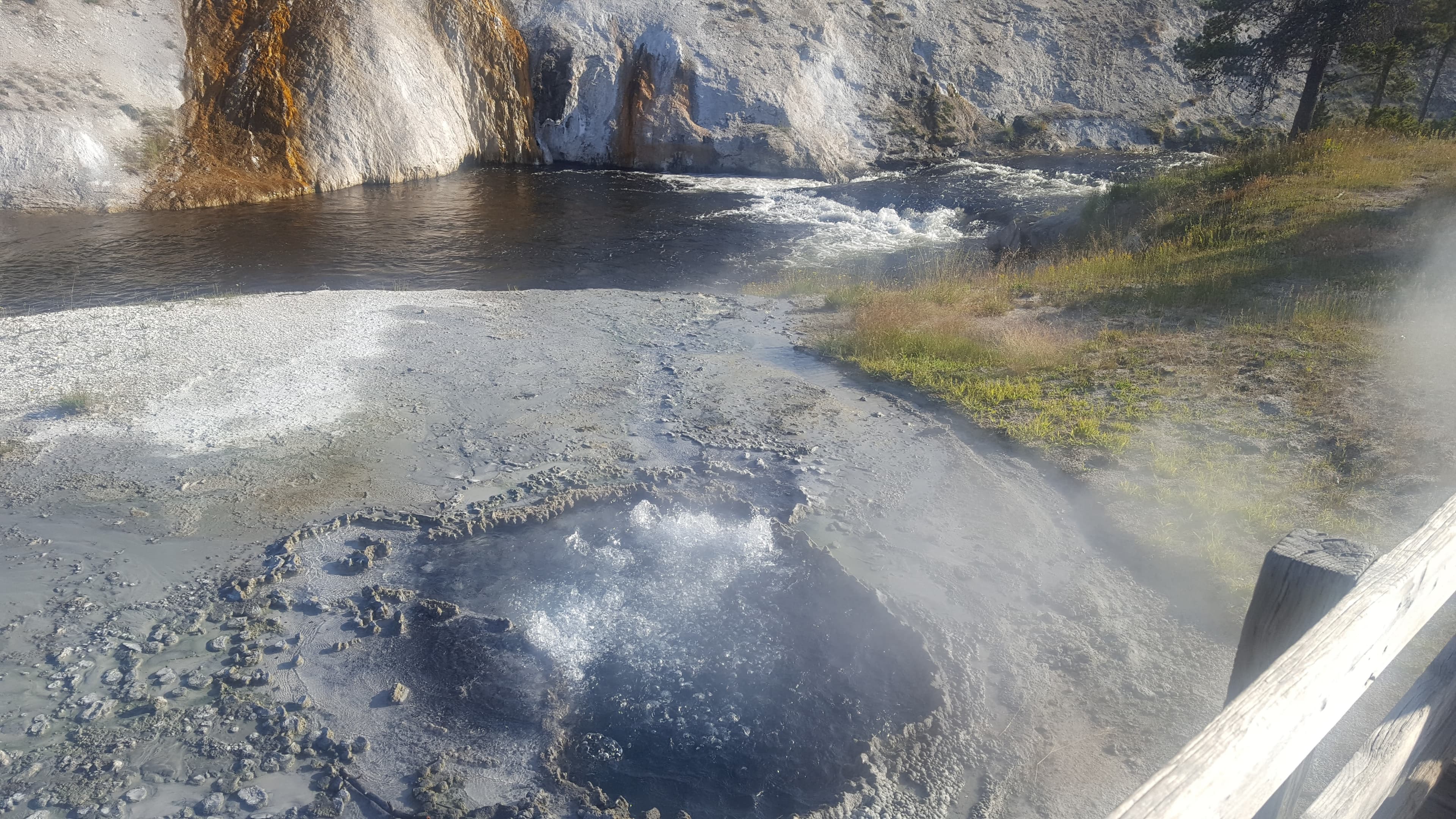
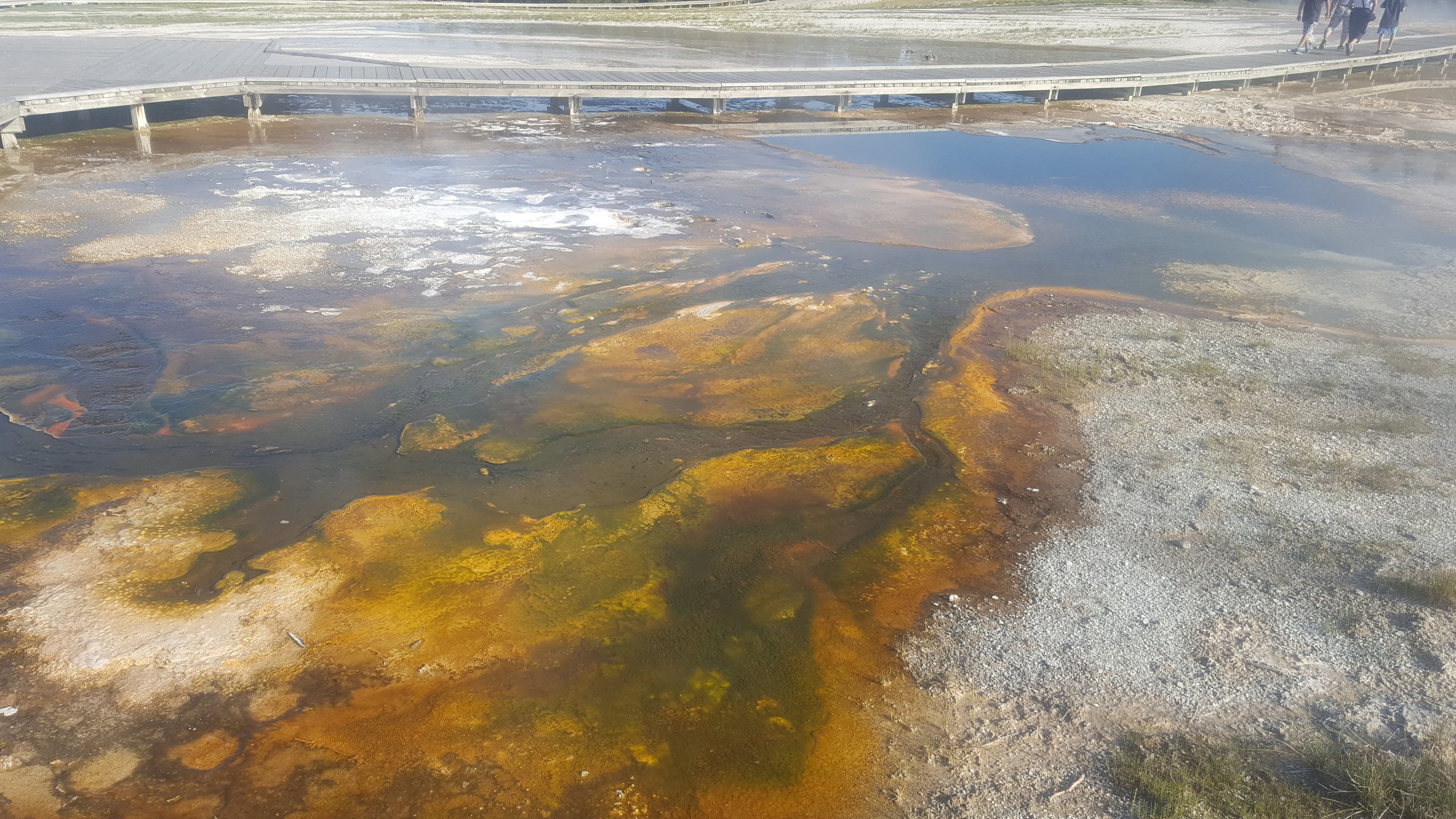
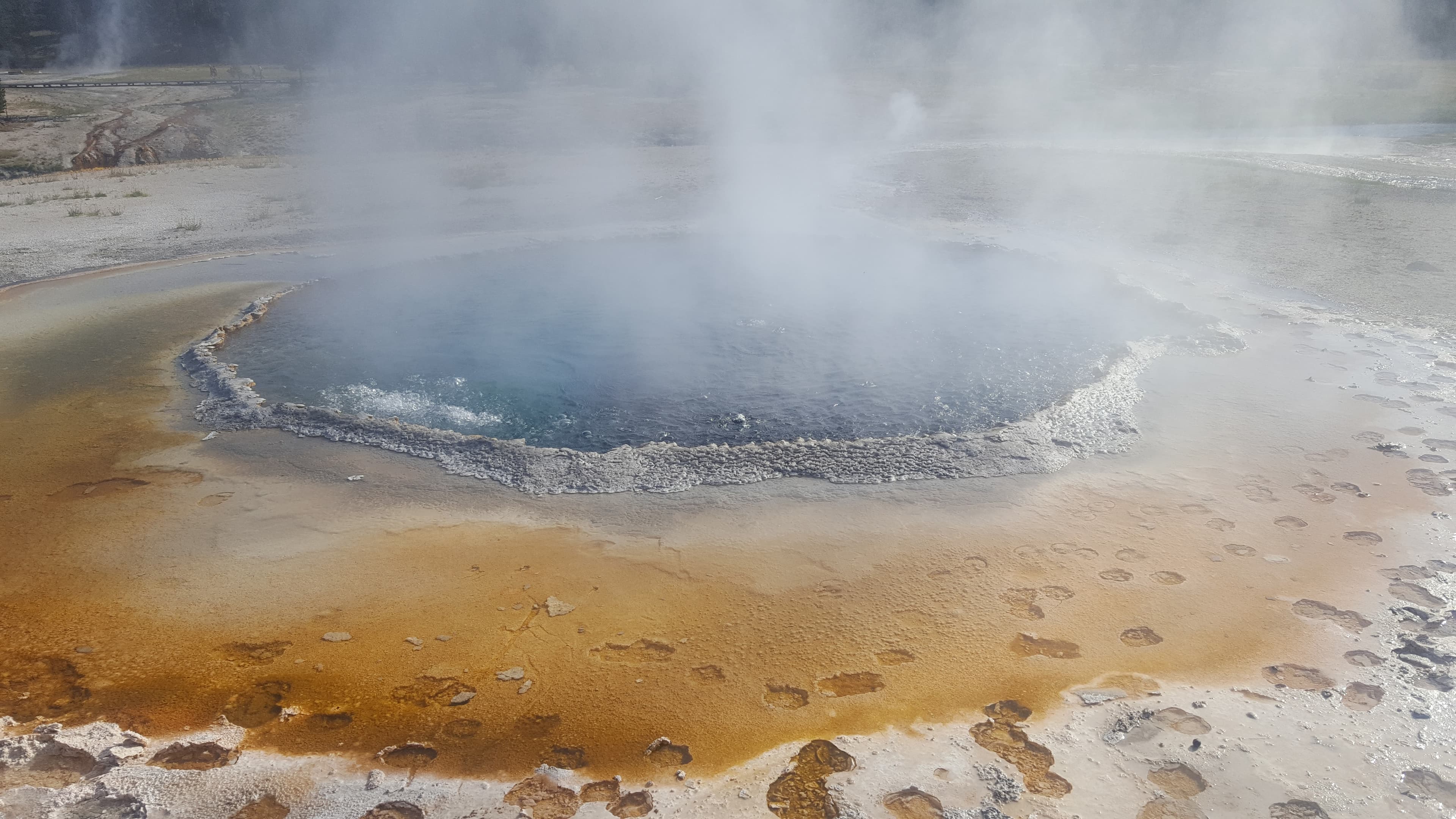
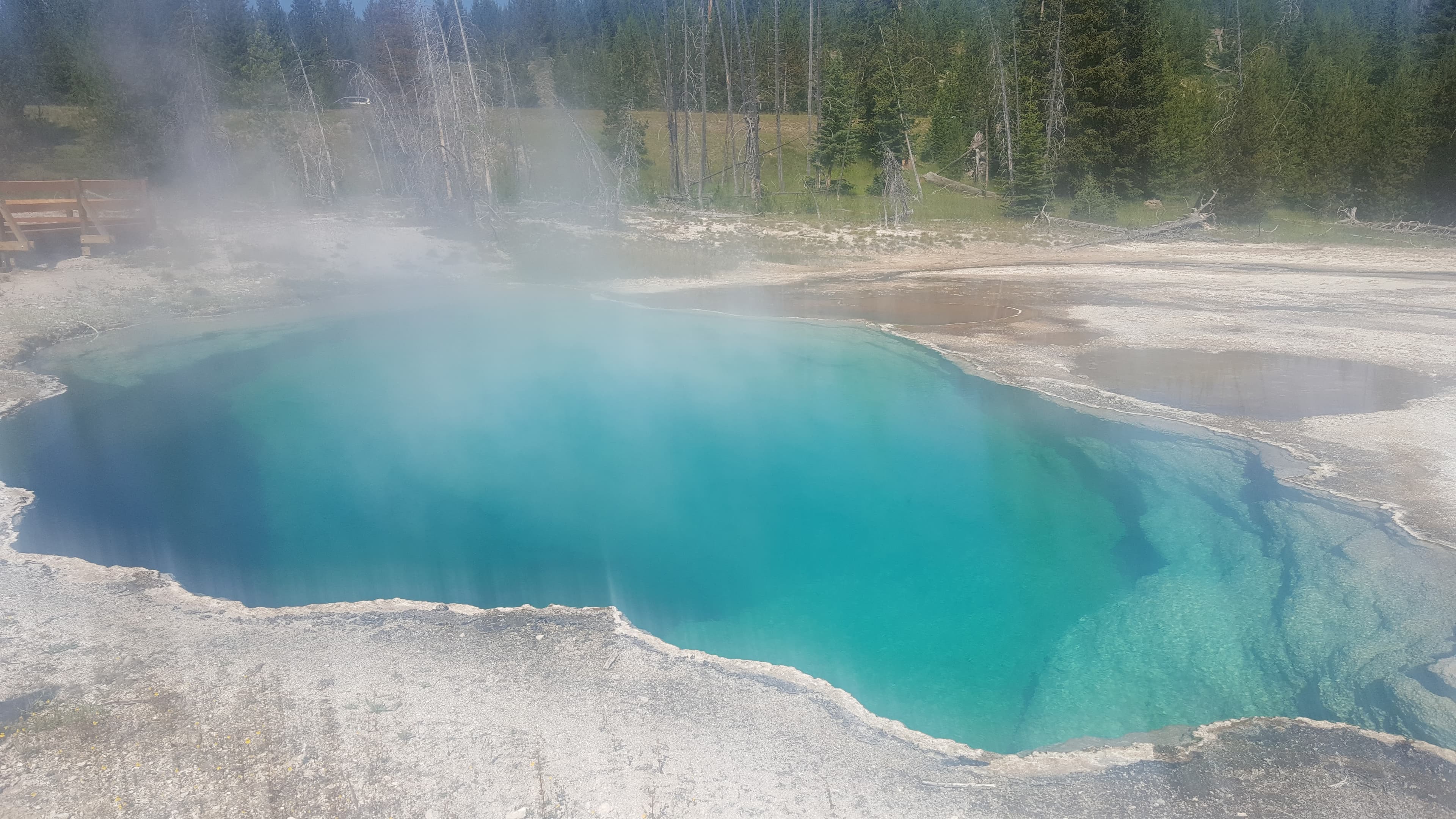
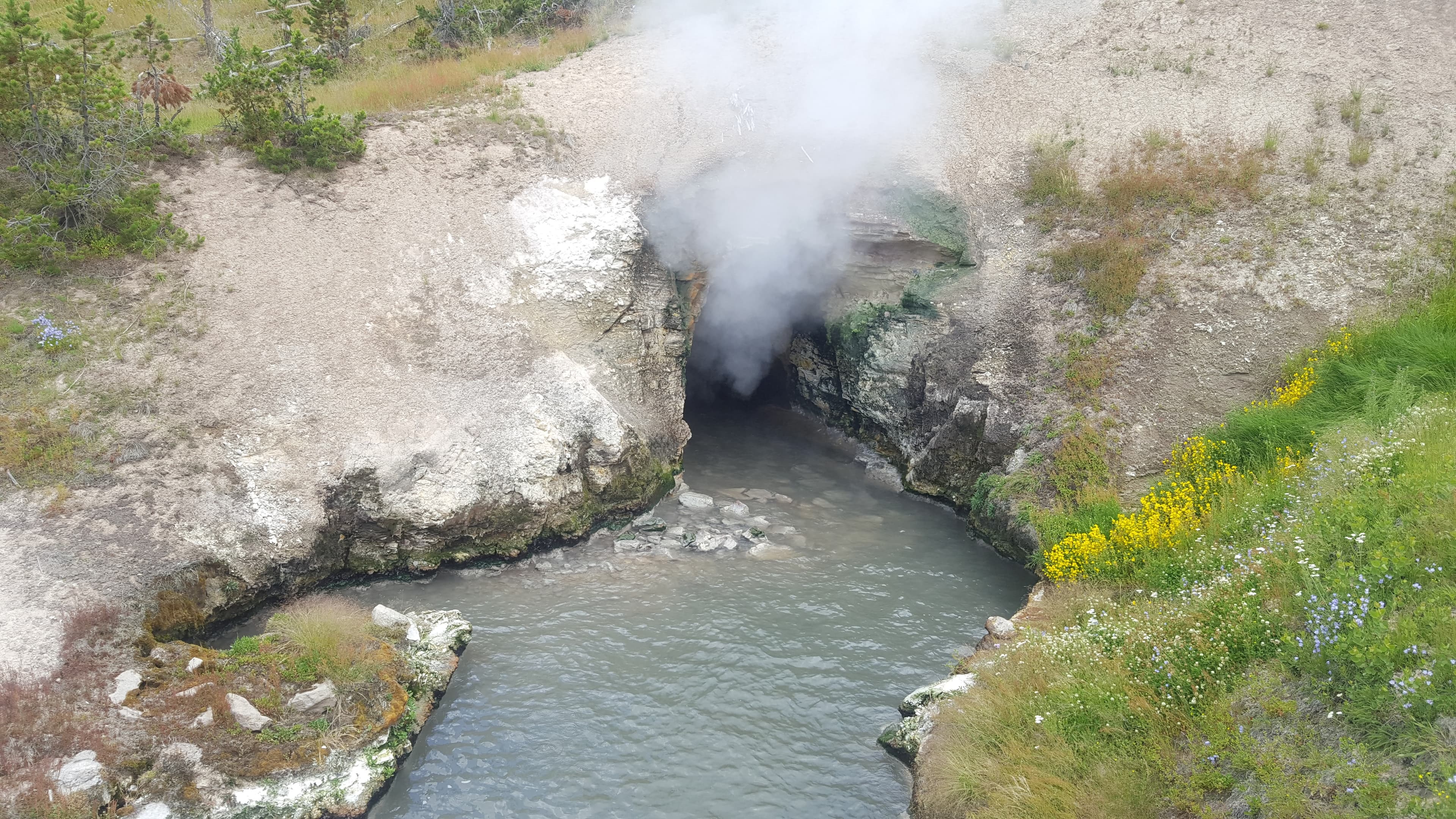
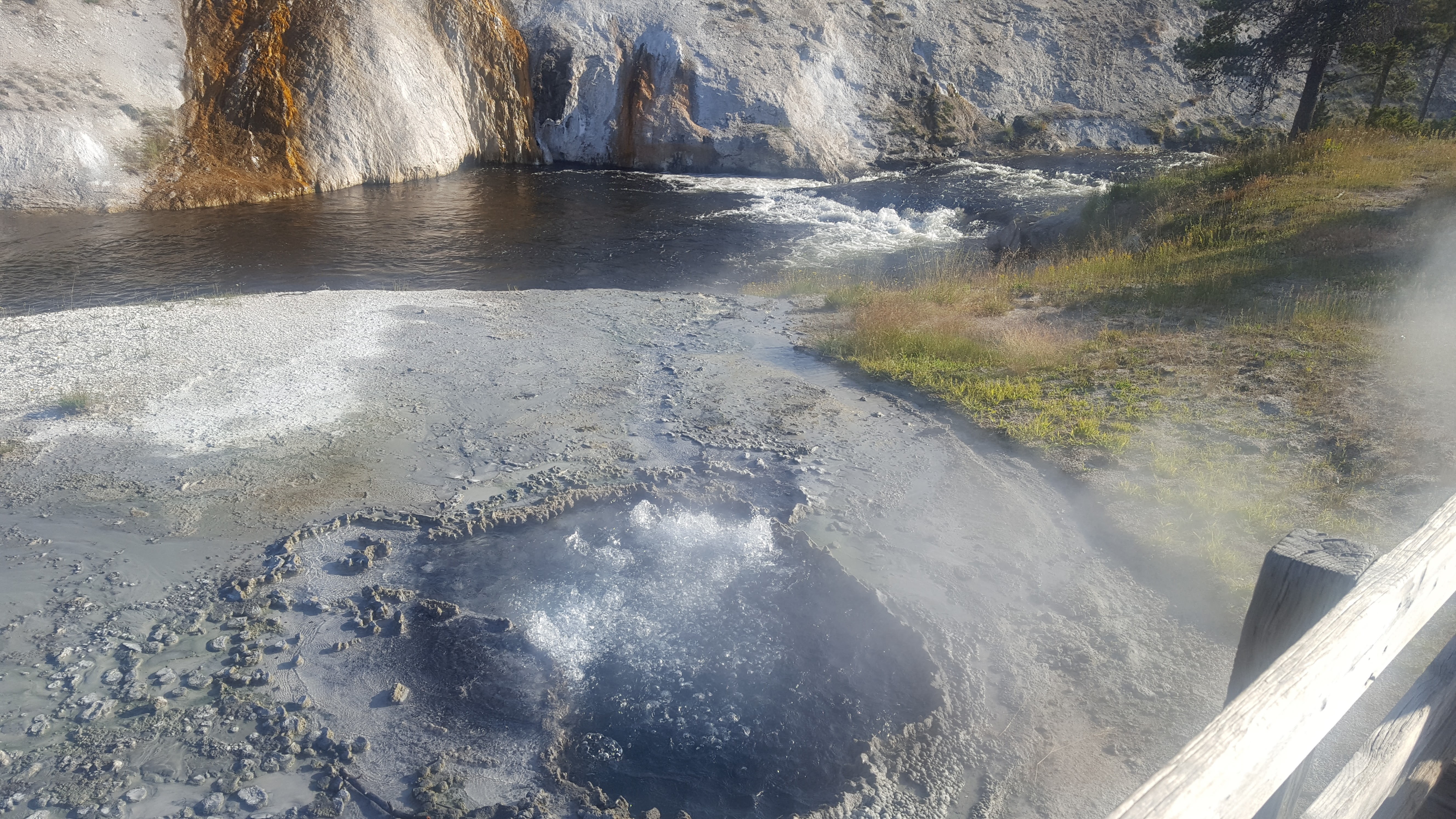
Yellowstone hot spring boardwalk. The water is 200°F; the colour changes with depth and bacterial life.
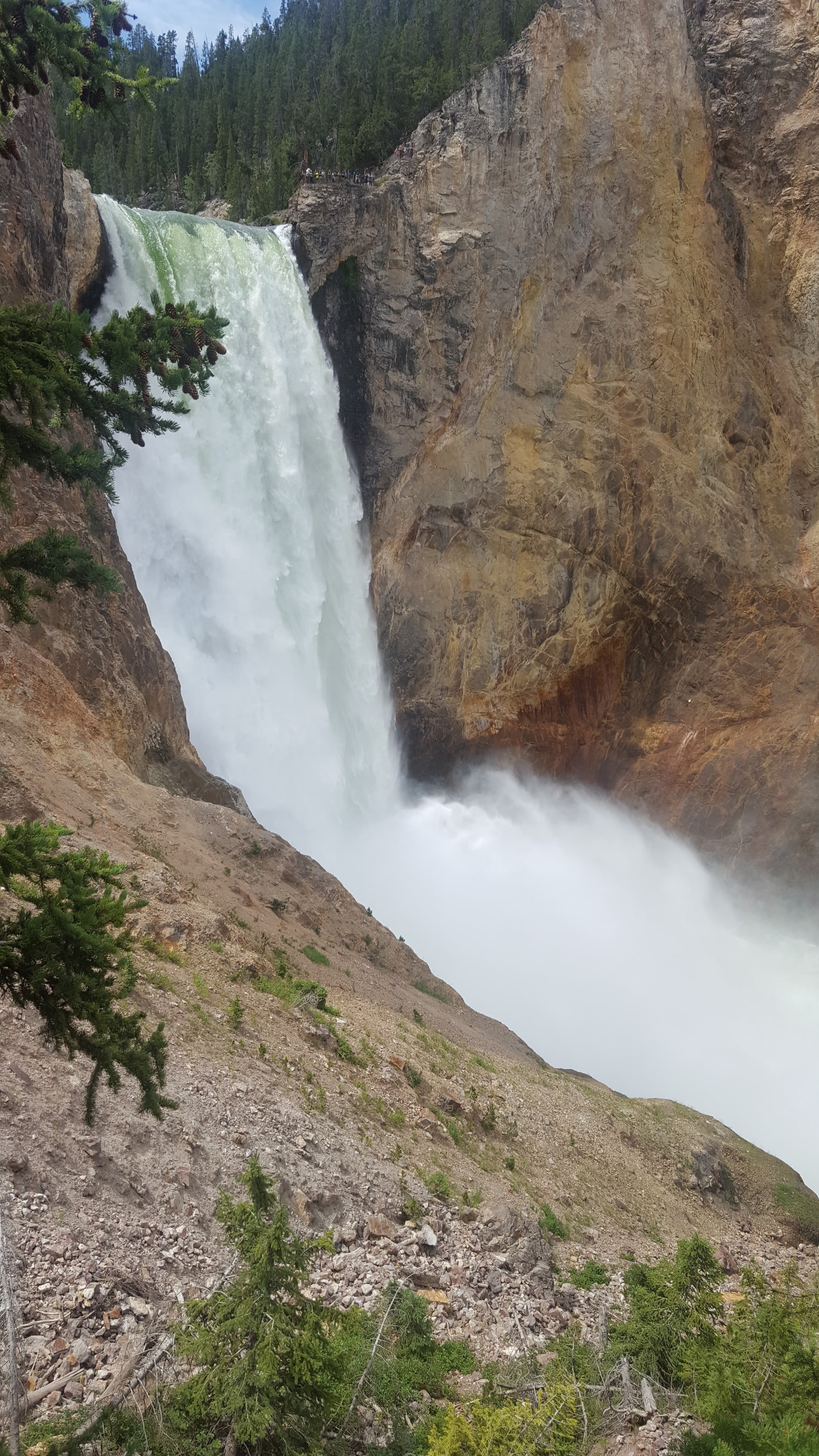
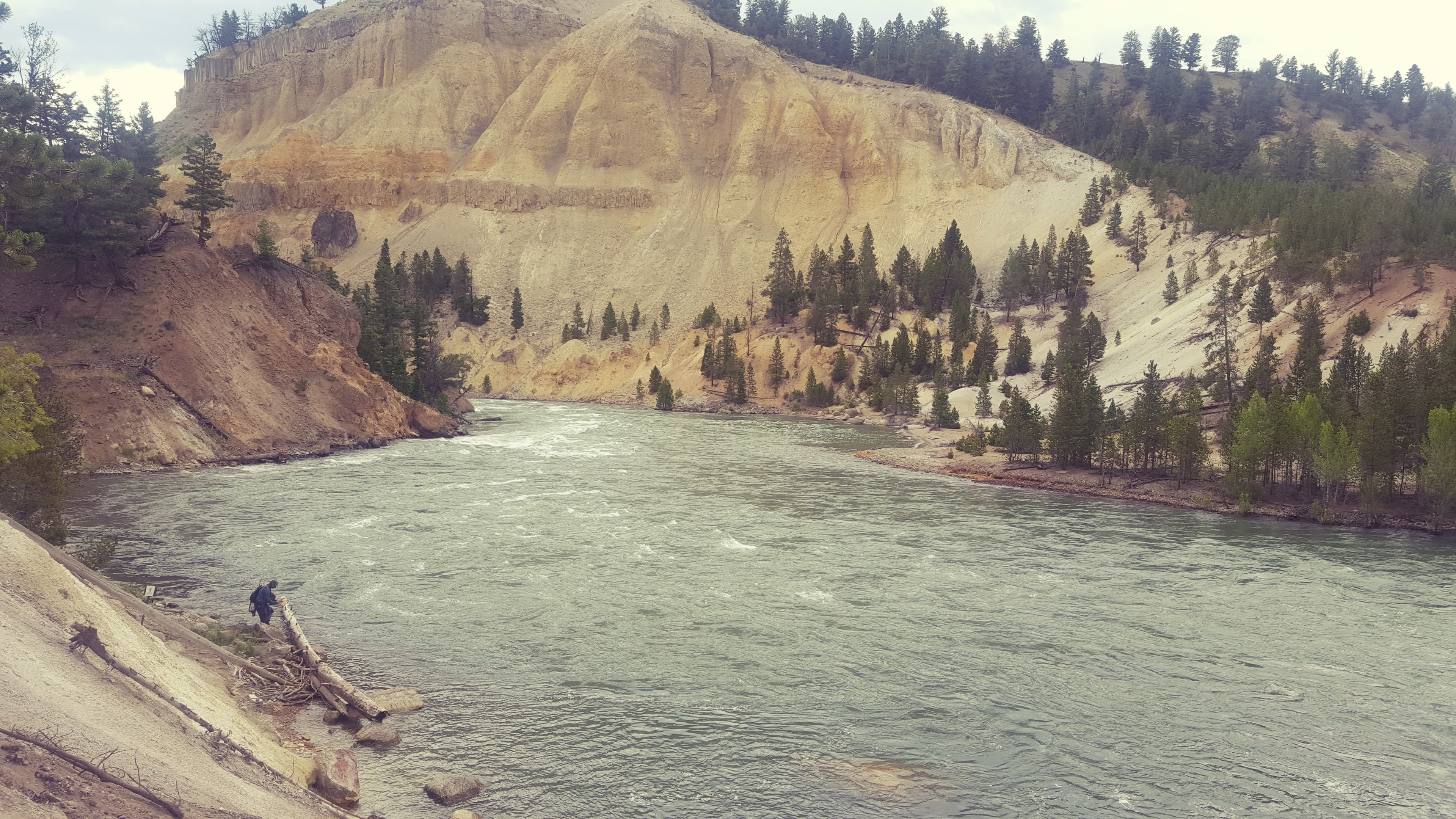
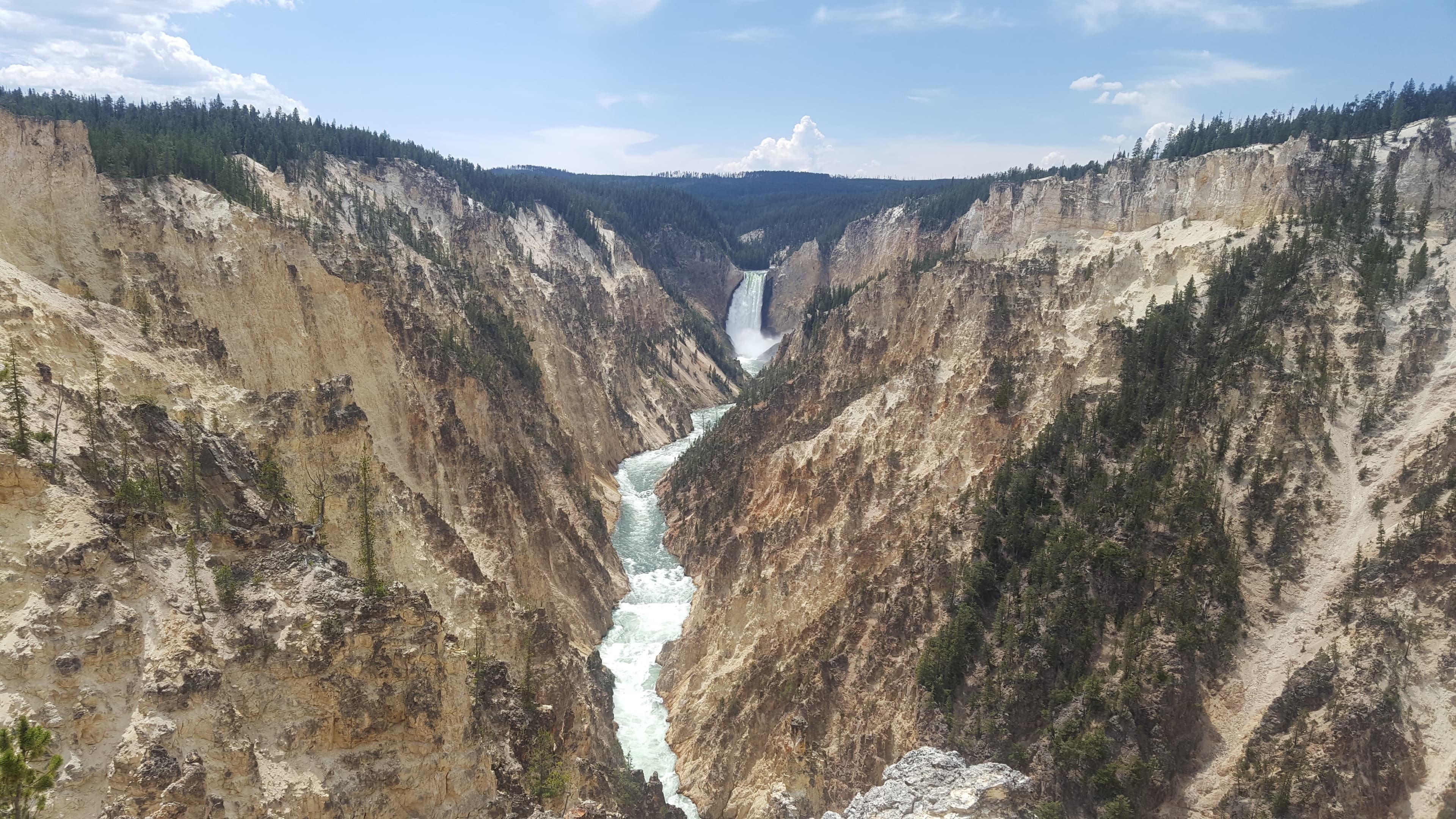
Grand Canyon of the Yellowstone. The yellow stone that named the park — volcanic rhyolite — visible in the walls.
Yellowstone morning mist. The geothermal heat rises through cool morning air; everything steams at dawn.
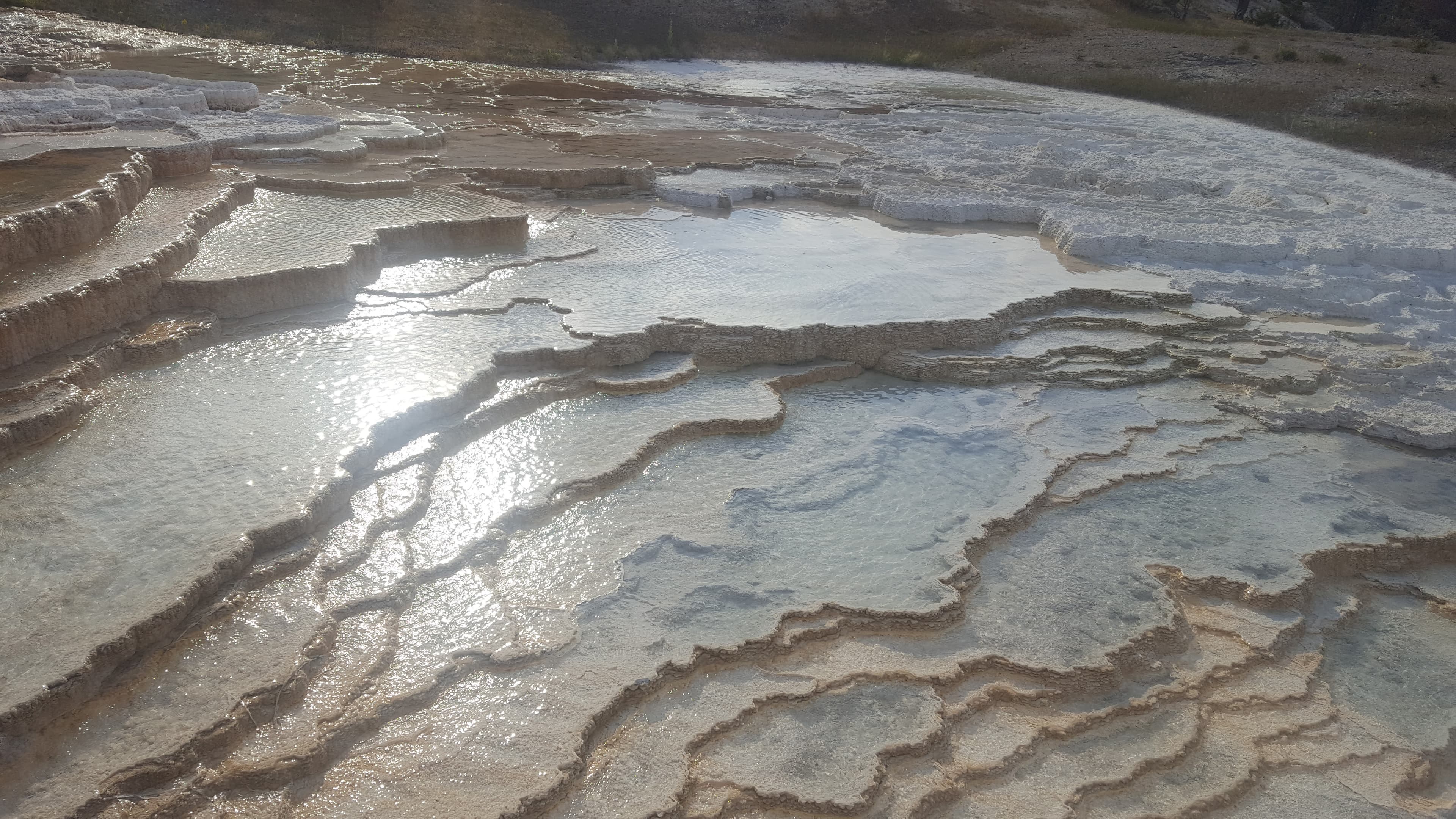
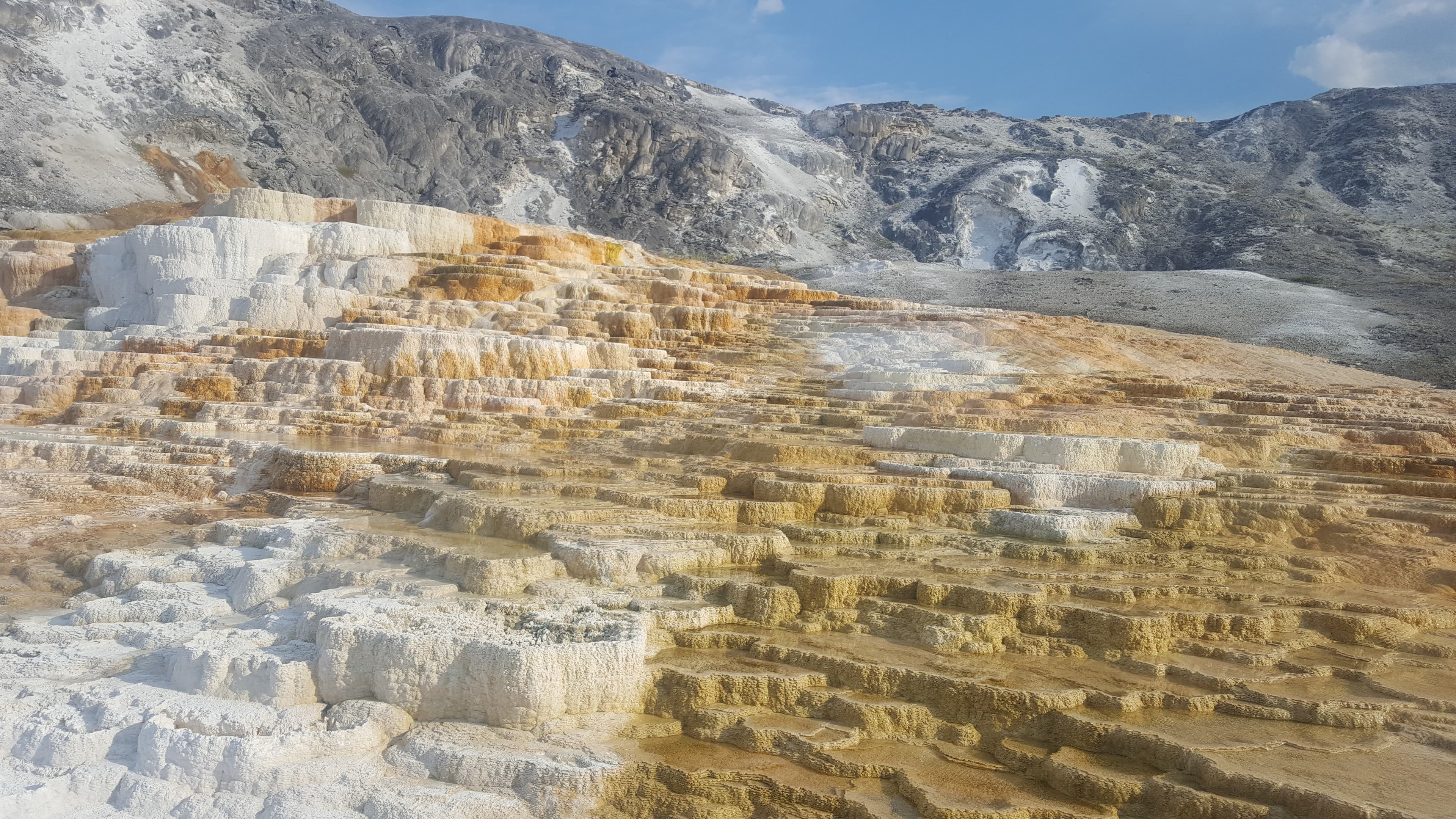
Mammoth Hot Springs terraces. Travertine terraces built by mineral-rich water; new formations appear each year.
Yellowstone wolf country. The wolves were reintroduced in 1995; the Lamar Valley is where to look.
Prismatic Spring up close. The heat is palpable at boardwalk distance; the sulphur smell is constant.
American bison bull. 2,000 pounds; moving at whatever pace it chooses.
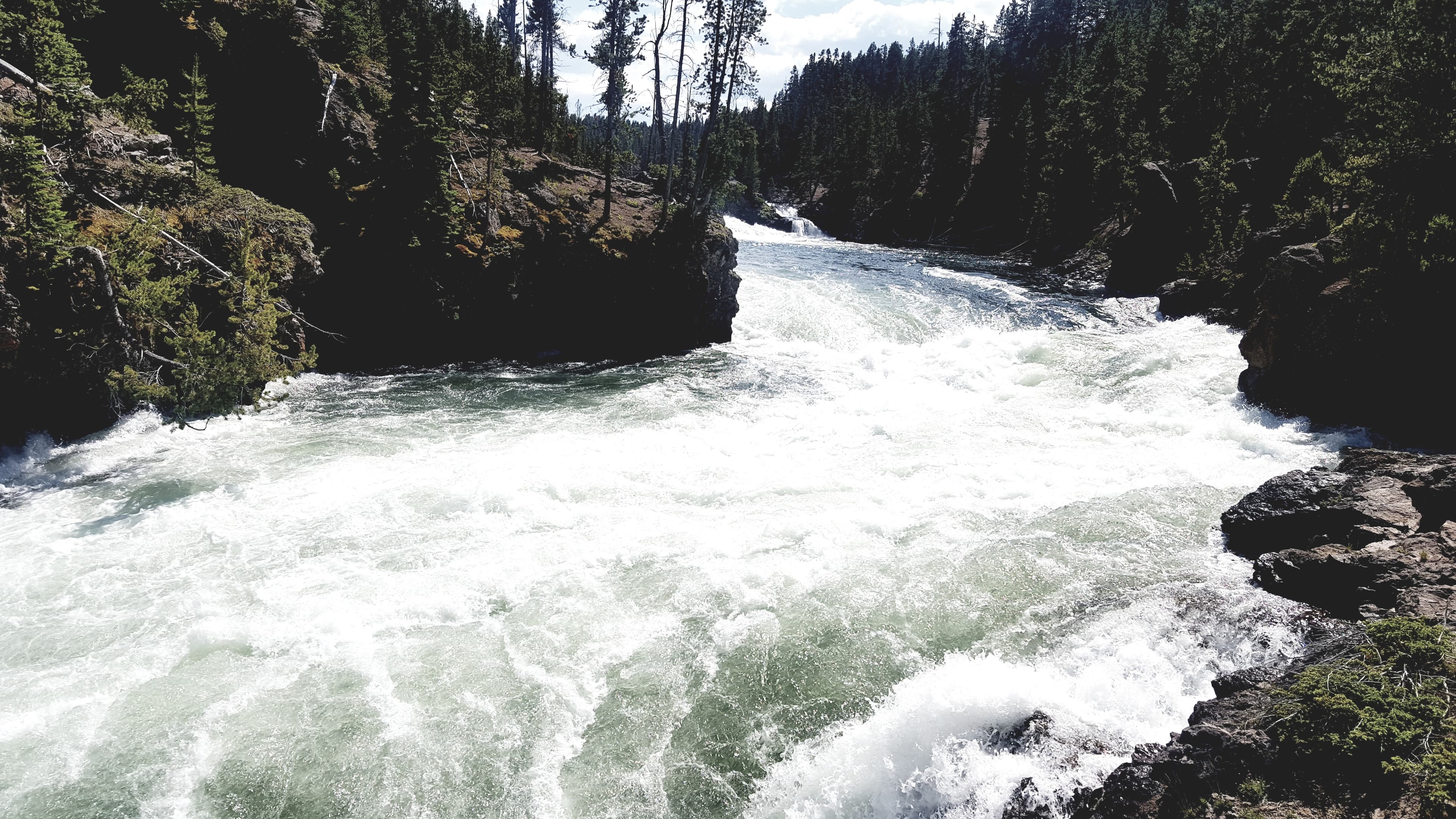
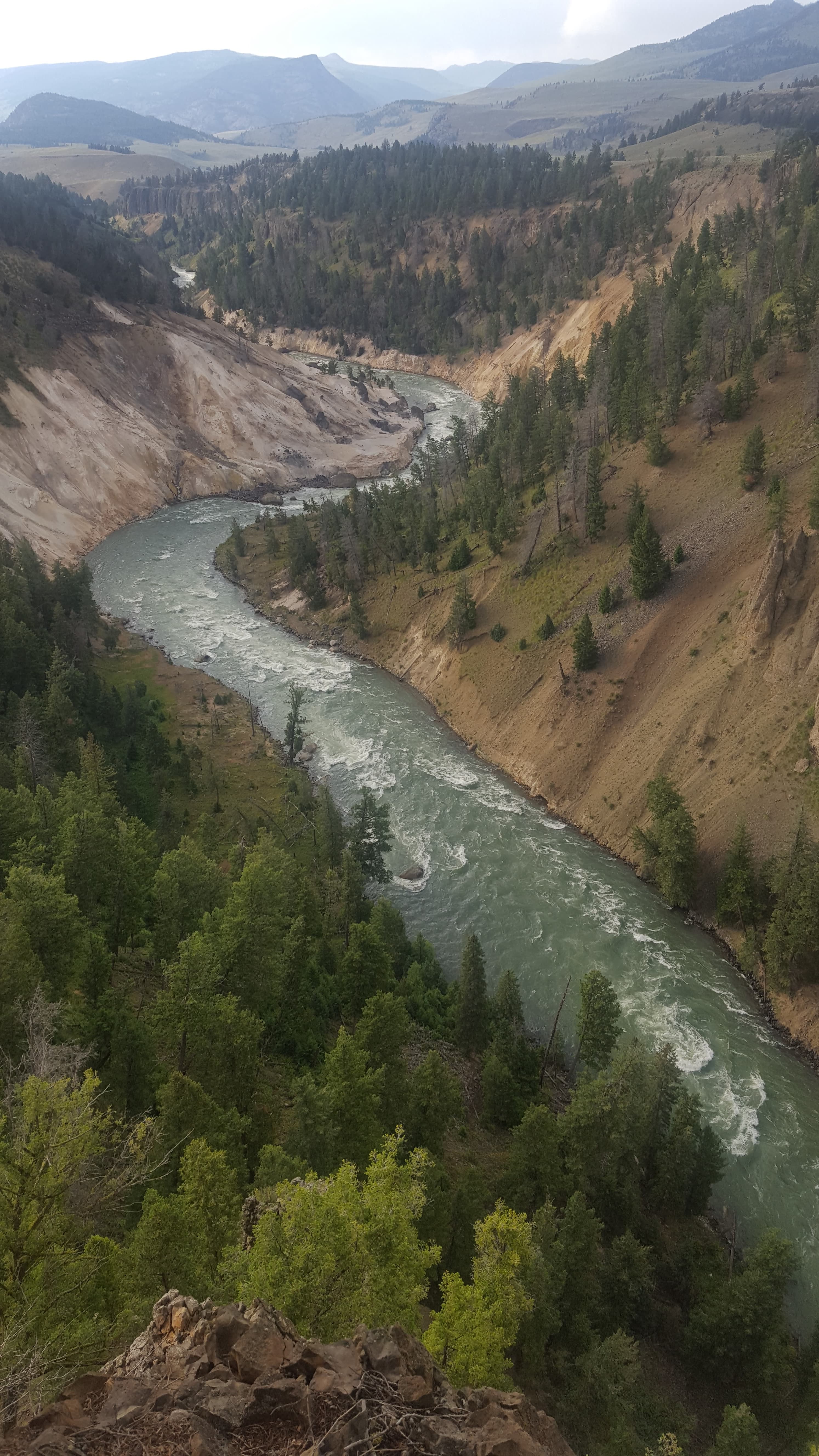
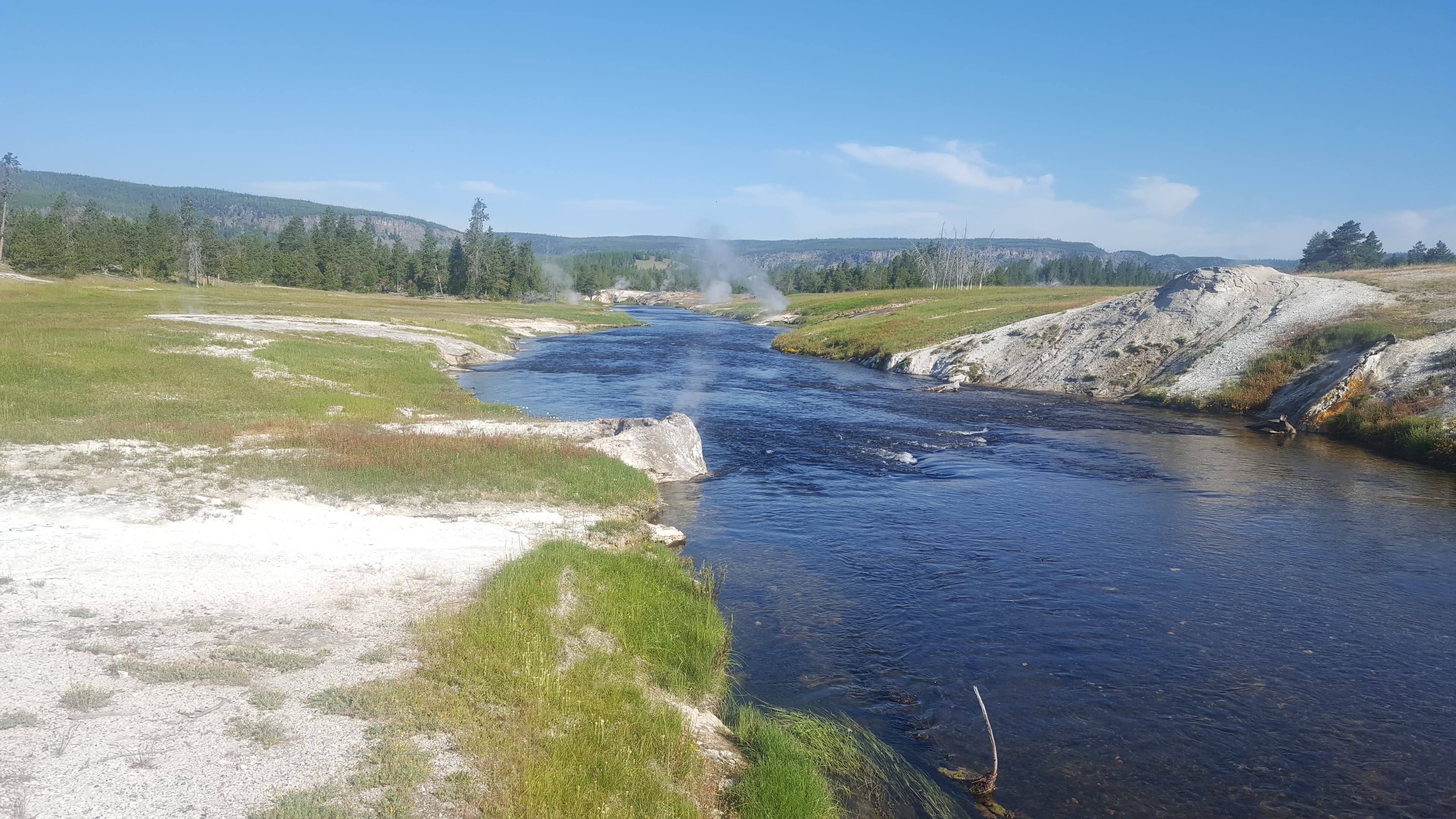
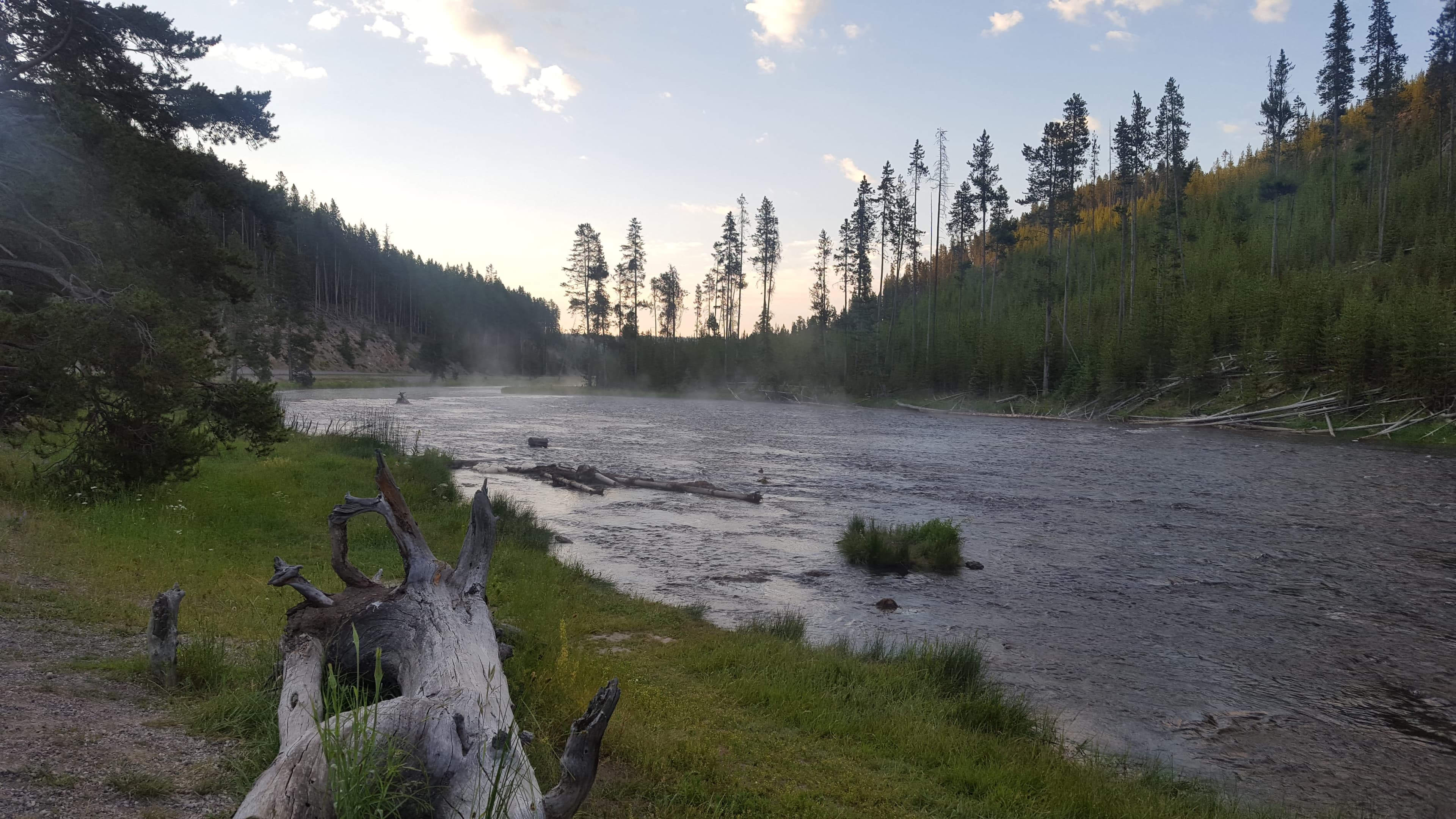
Yellowstone forest and river. The park has pristine high-altitude river ecosystems the bison and wolves depend on.
Norris Geyser Basin steam. The highest-temperature surface geothermal area in the park.
Yellowstone lake at dawn. The largest lake in North America above 7,000 feet; the water is very cold.
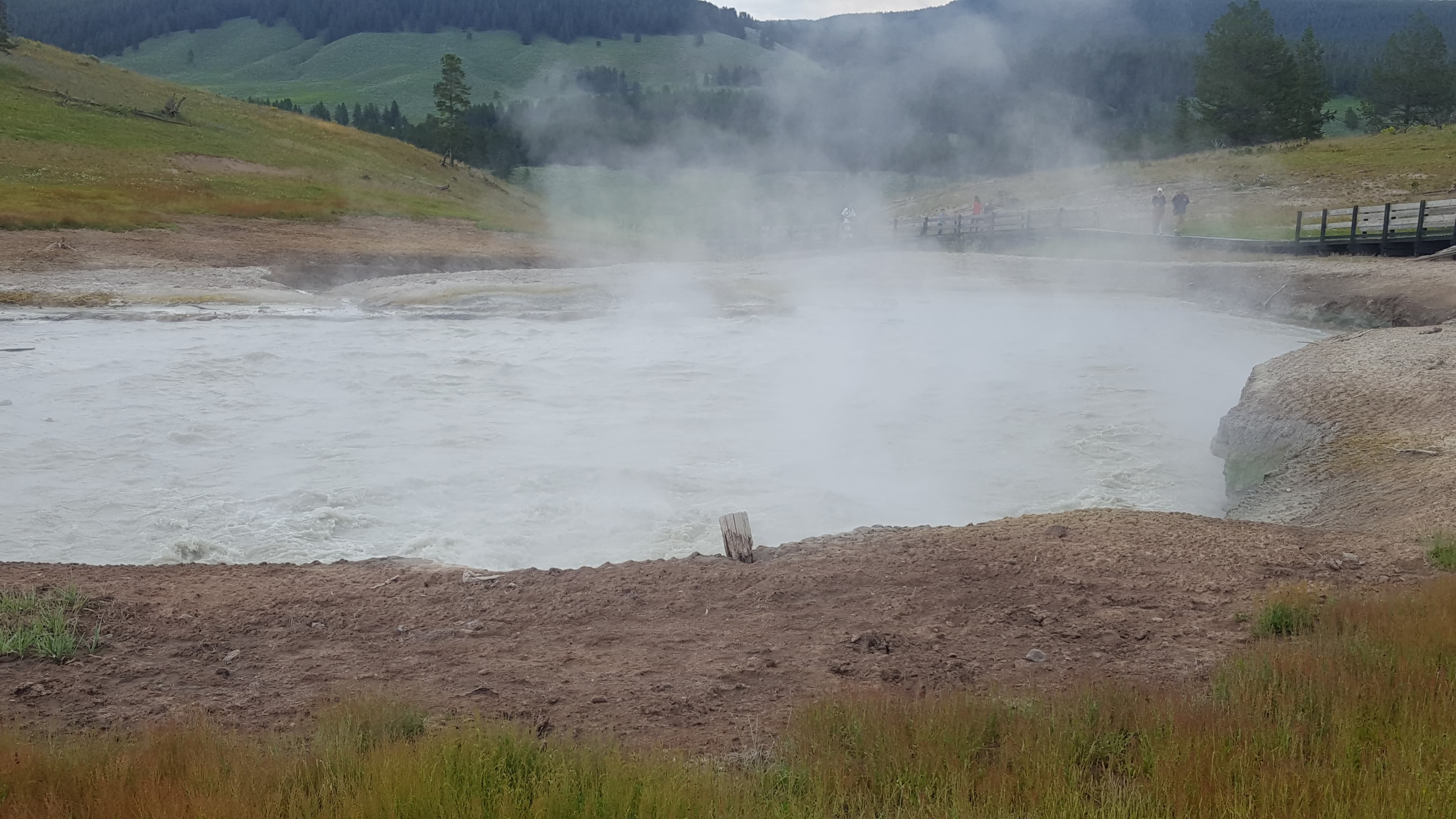
Mud pots. Acidic geothermal features that bubble and gulp; less photogenic than geysers but stranger.
Tower Falls. A 132-foot waterfall in the northeast corner of the park, past the bison country.
Y

Written by

Yavuz

Travel writer and photographer obsessed with slow travel, local food, and the roads less taken. Based wherever the next flight lands.