Utah: Five Parks and the Red Rock Light
Zion's slot canyons, Bryce Canyon's hoodoos, Arches at sunrise, and the American Southwest at its most photogenic
I did the Utah national parks loop in December 2016 — a slightly unusual time that turned out to be ideal for Bryce Canyon (snow on the hoodoos, almost no crowds) and manageable for Zion and Arches, where the winter light is longer and lower and better for photography than the harsh midday sun of summer. The parks in December are quieter everywhere and cold enough in the high sections to require real gear. The trade is worth it.
The road trip base logic for this area starts in Las Vegas (four hours from Zion) or Salt Lake City (five hours from Arches). Going in both directions creates a loop that covers all five parks. The distances look manageable on a map and are larger in reality — Utah is a big state and the roads are two-lane and the landscape slows you down because you stop constantly to photograph things.
Zion
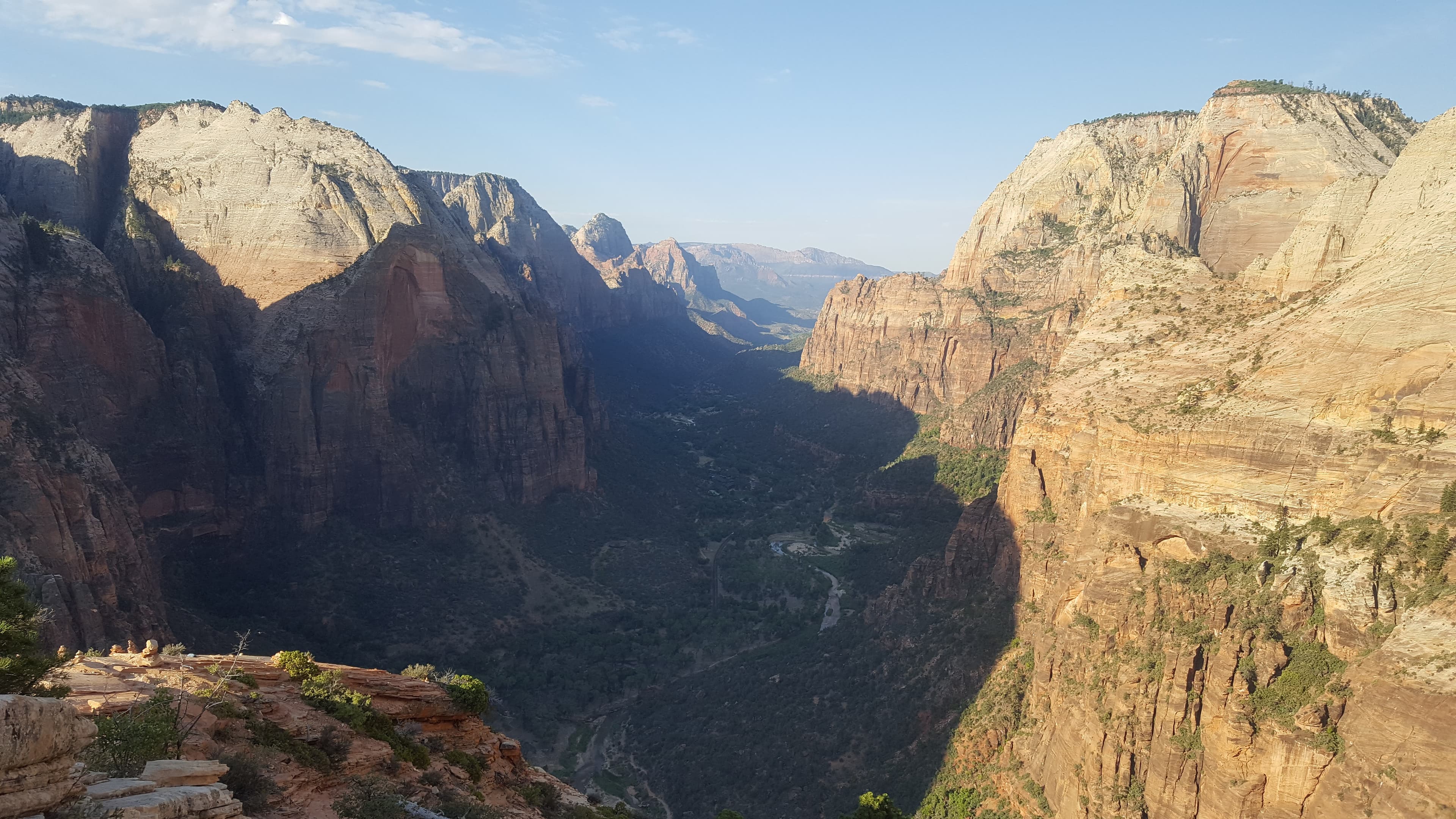
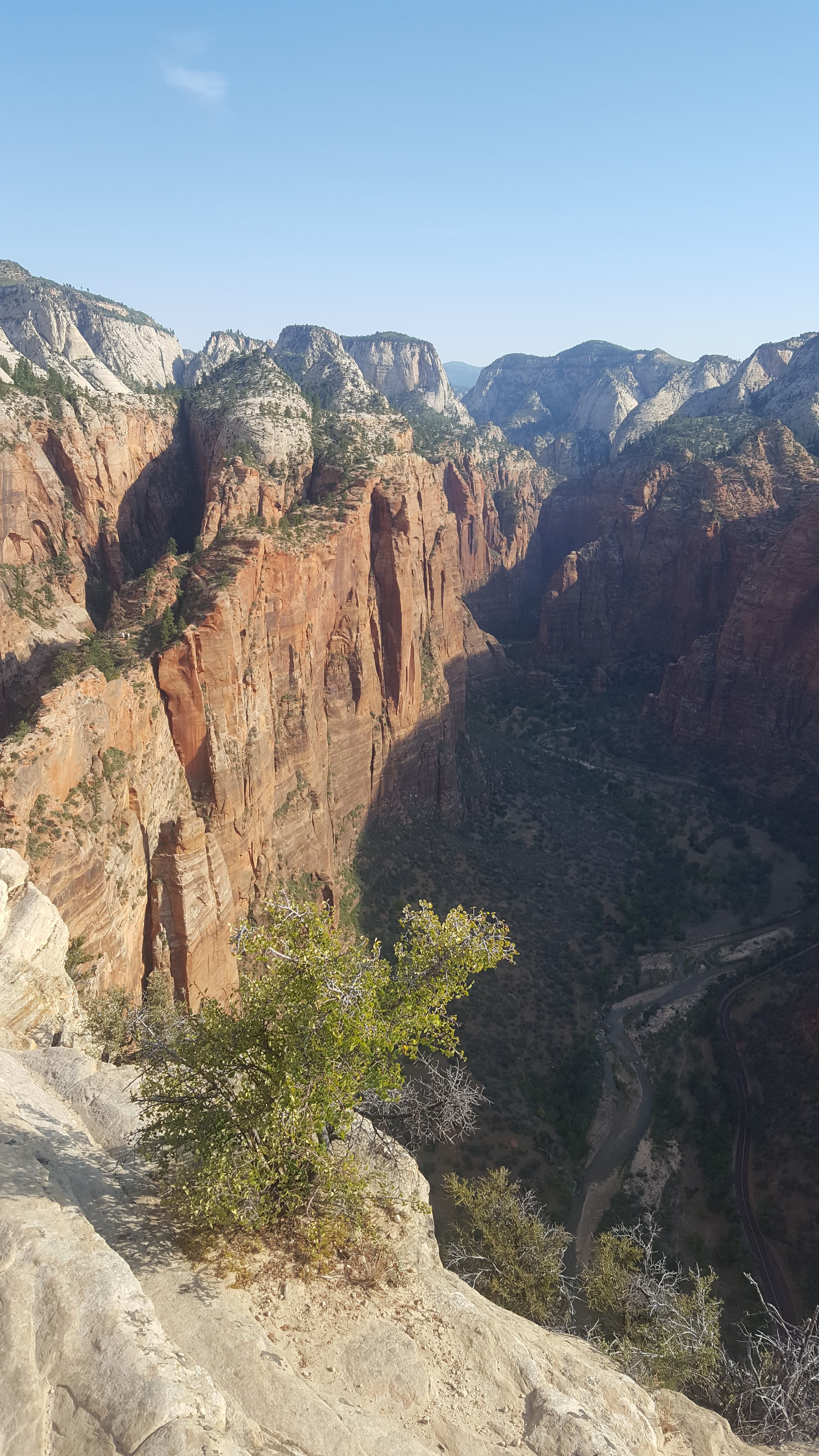
Zion Canyon is 2,000 feet deep, cut by the Virgin River through Navajo Sandstone over millions of years. The Narrows — the section of the river canyon where the walls close to within a few feet — requires wading upstream through the river (knee-to-waist deep depending on season and snowmelt). It is the best hiking experience in Utah and among the best in the United States. The shuttle system that restricts private vehicles in the main canyon is one of the few cases where a national park's crowd management has genuinely improved the experience.
Bryce and Arches
Bryce Canyon is not technically a canyon — it's a series of natural amphitheatres formed by erosion, filled with hoodoos (spires of soft rock capped by harder stone). At sunrise, when the pink limestone catches the first light, it is one of the great colour spectacles in the natural world. The short loop trails into the amphitheatre (Queen's Garden, Navajo Loop) descend among the hoodoos rather than looking down at them, which changes the experience entirely.
Arches, near Moab, has more than 2,000 natural sandstone arches — the highest concentration anywhere on earth. Delicate Arch (the one on the Utah licence plate) requires a three-mile round-trip hike that ends at the rim of a slickrock bowl with the arch framing the La Sal Mountains behind it. The scale is impossible to predict from photographs and immediately obvious in person.
Utah