Trabzon: The City at the Edge of the Black Sea
Sümela carved into a cliff, Uzungöl at dawn, and a port that has always faced east
The road to Sümela Monastery climbs through spruce forest so thick and dark that sunlight arrives in columns, the way it does inside churches. You drive for forty minutes above Trabzon on a winding road that keeps revealing more valley, more green, more verticality, until the valley you're in becomes a gorge and the gorge wall on the opposite side turns out to have a monastery built into it at a height that makes no structural sense.
Sümela has been here, in one form or another, since the fourth century. The story is that an icon of the Virgin Mary, painted by St. Luke himself, was carried here by two monks from Athens following a divine vision. You look at the building wedged into the cliff — the painted frescoes in the rock-cut church, the multiple levels cantilevered over a drop of several hundred metres — and you understand why you might need a divine vision to make this happen. No rational person would have chosen this site on their own.
The Monastery at Dawn
The monastery opens at nine. Arrive at eight-thirty and stand at the bottom of the valley, looking up. The cliff catches the first light while the gorge is still in shadow, and the painted facade of the main church — blue and ochre and red, faded but legible — is briefly illuminated against the dark rock. Then the tour buses arrive and the moment passes, but you've had it.
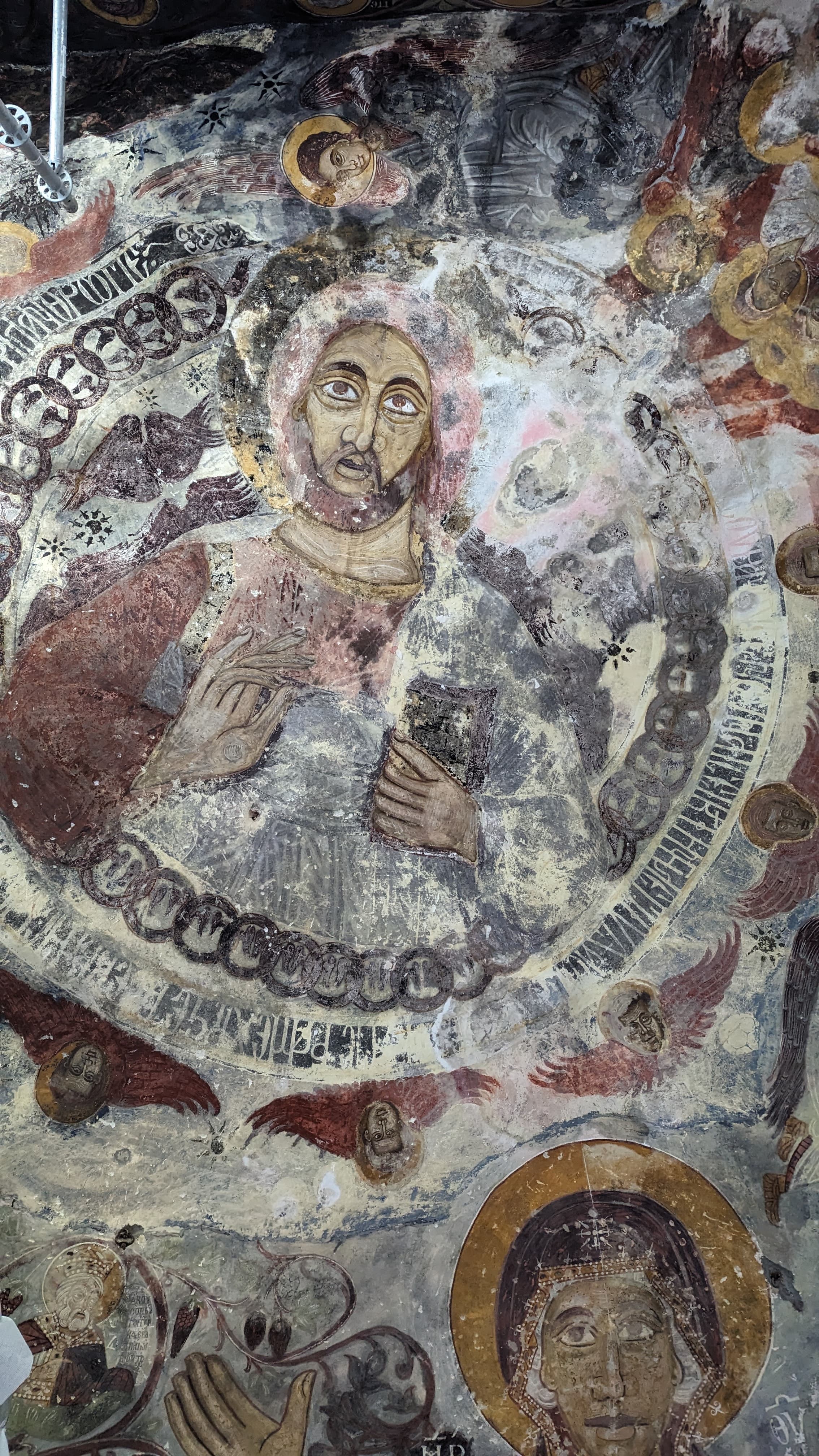
Inside, the rock-cut church is covered wall to ceiling and ceiling to floor in Byzantine frescoes spanning roughly a thousand years. Saints, apostles, scenes from the life of Christ, donors, warriors, angels. Some are well preserved; others are scratched out (Ottoman-era iconoclasm) or blackened with candle soot. The layers of history are literally visible in the paint.
Uzungöl
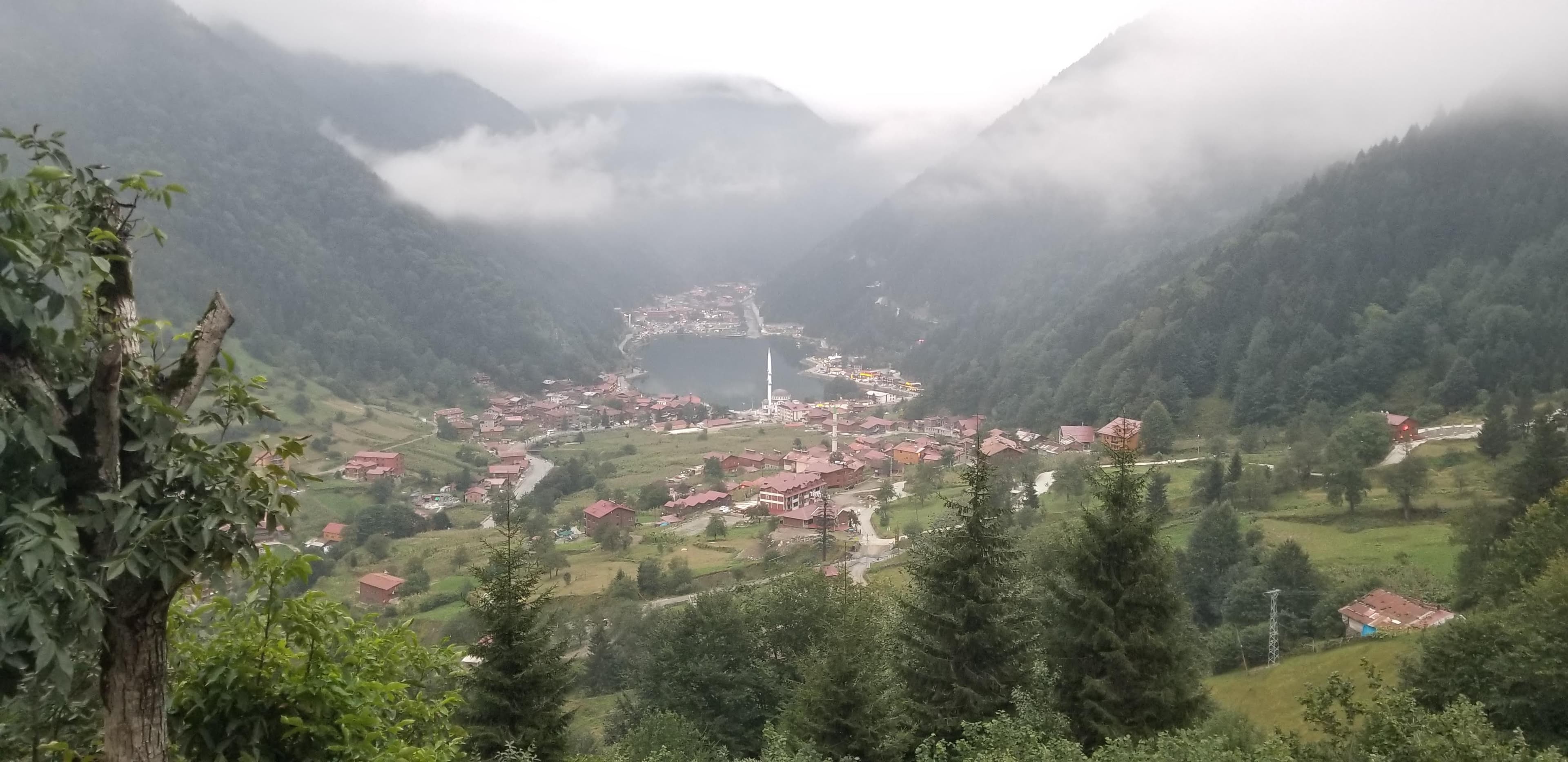
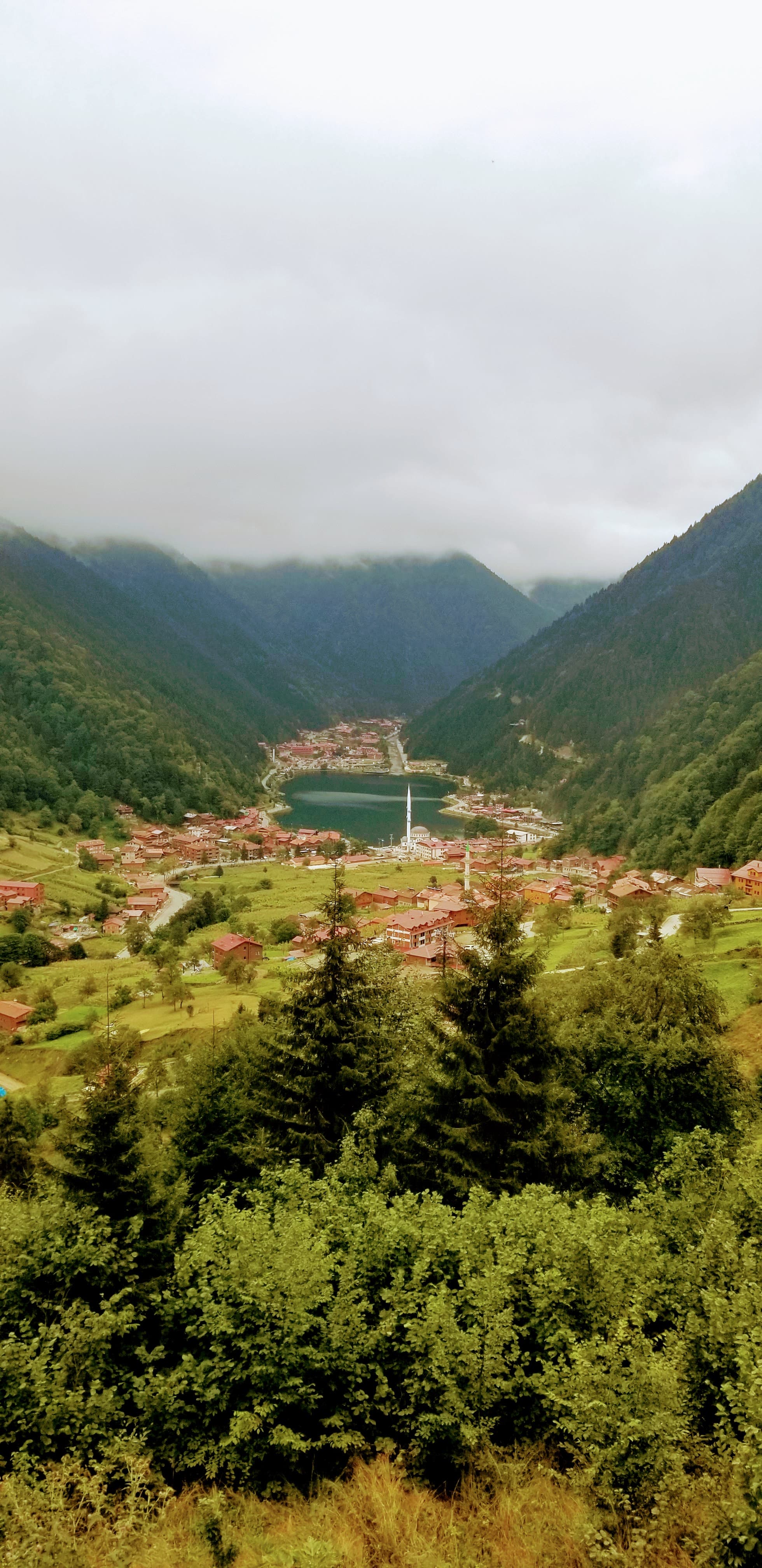
Seventy kilometres south of Trabzon, in a valley that the road reaches by switchback after switchback, is Uzungöl: a small lake surrounded by steep forested hills, a minaret, a cluster of wooden hotels, and, most mornings, a low mist that sits on the water until mid-morning and makes the whole scene look like a painting of itself.
The lake is genuinely beautiful and you should see it, but arrive early or stay overnight. By ten in the morning the car park is full and there are queues for the photospot. Before eight it's just the water and the mist and the sound of the stream that feeds the lake from the upper valley.
The City Itself
Trabzon the city is a working port — not a tourist resort, not a museum piece. The bazaar is a functional market where locals buy everything from tools to dried fish. The Hagia Sophia of Trabzon (unrelated to Istanbul's, built in the thirteenth century) sits in a park near the water and is genuinely worth an hour: the frescoes in the narthex are among the finest surviving examples of Pontic Greek medieval painting.
Atatürk's summer villa, on a hill above the city, is a white Italianate building with broad wooden verandas and a garden of tall pines. The interior is preserved as he left it — not grand, but careful. He stayed here several times in the 1930s. The view from the veranda is the Black Sea, green hills, the city below.
The Food
Kuymak is what you eat in Trabzon. It is cornmeal cooked with butter and then loaded with local cheese until the cheese melts into strings that stretch a foot when you lift the spoon. It is absurdly rich and tastes of the Black Sea coast in a way that nothing else does. Order it with bread, eat it while it's hot, accept the consequences.
Anchovy rice (hamsi pilav) — anchovies layered in a pot with rice, steamed together — is the other essential. The fish is small and intense and the rice absorbs everything. With a glass of ayran and a view of the port, it is one of the better meals you can have in Turkey.
Trabzon & Sümela