Toronto: The World in One City
The most multicultural city in North America — Kensington Market, the ROM, the Distillery District, and a skyline anchored by an iconic needle
I was in Toronto in October 2016, which is an excellent time — the fall colour is in progress, the summer tourists have gone, the Nuit Blanche all-night art event was happening that weekend, and the weather was still manageable. Toronto in October has a specific quality: the light is softer, the pace is slightly less summer-frantic, and the city's residential neighbourhoods — which are the real thing — are at their most visually striking with the maples turning.
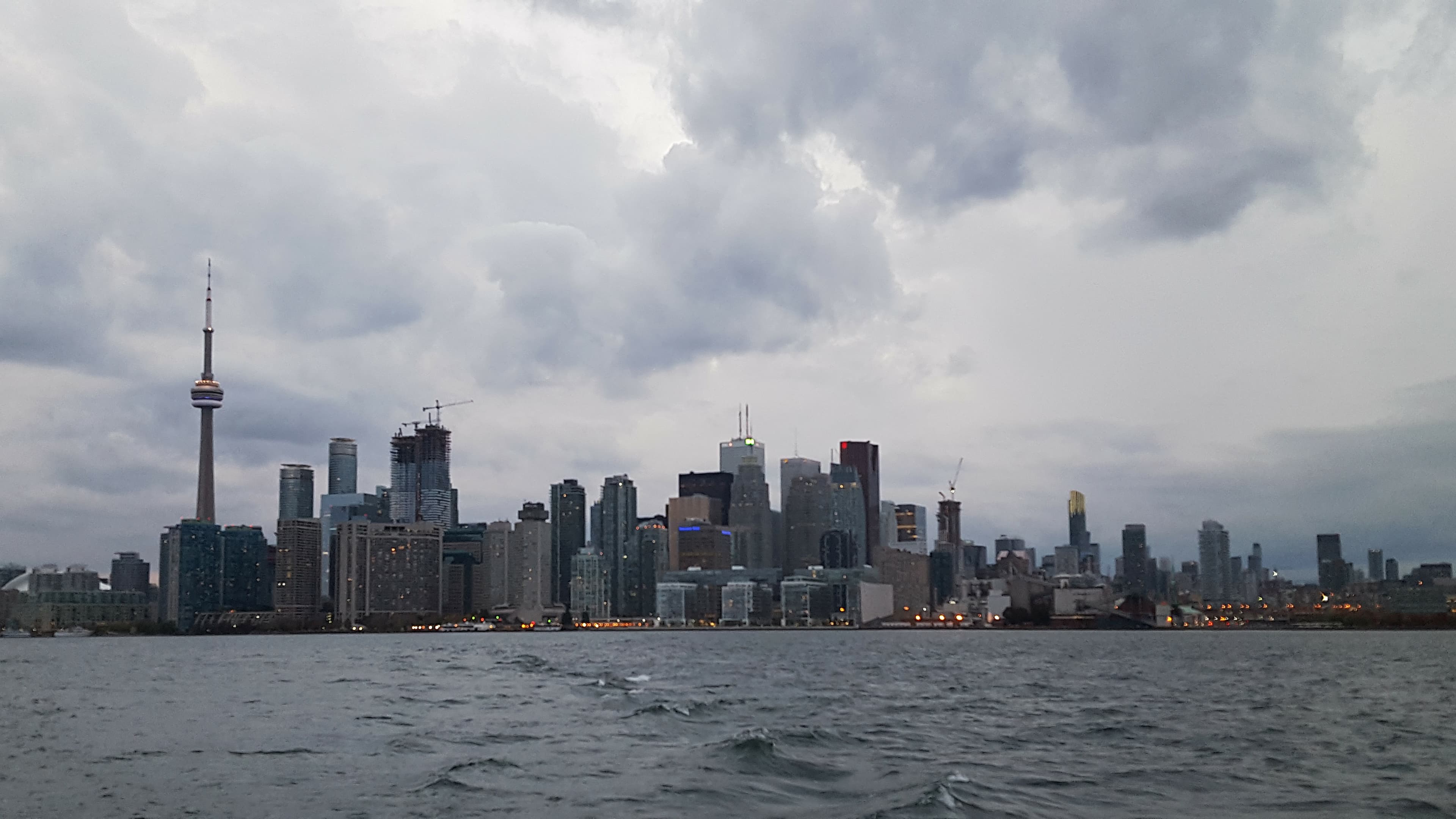
Toronto is a city of neighbourhoods more than a city of landmarks. The CN Tower is the obvious landmark (553 metres, the tallest free-standing structure in the Western Hemisphere when it opened in 1976, worth going up for the view if only once). The Rogers Centre below it is an architectural curiosity — a retractable roof stadium that was revolutionary in 1989 and now looks like its era. The landmark architecture tells you less about the city than the neighbourhoods do.
The Neighbourhoods
Kensington Market is the neighbourhood that best expresses Toronto's particular character: a compressed, walkable area of vintage shops, international food vendors, graffiti murals, and the kind of street energy that comes from genuine density of use. Portuguese bakeries next to Jamaican patty shops next to vintage record stores next to Mexican restaurants; the whole thing operating at street level with no pretension to being curated. It is what markets in cities look like when they work.
The Distillery District and the ROM
The Distillery District — a Victorian industrial complex of brick buildings that once housed the Gooderham and Worts Distillery, converted into galleries, restaurants, theatres, and independent shops — is the most concentrated example of Toronto's heritage preservation and its current cultural ambitions. The Christmas Market (late November through December) is legitimately one of the best in North America.
The Royal Ontario Museum (ROM) has one of the largest natural history and world cultures collections in North America, and the Michael Lee-Chin Crystal addition — Daniel Libeskind's 2007 angular addition to the original building — is polarising architecture that has aged into something more interesting than the debates around its opening suggested. The Canadian collection, the Mesopotamian and Egyptian holdings, and the natural history galleries are all strong.
The Lake and the Islands
Toronto Island Park — a collection of small islands in Lake Ontario, a 15-minute ferry from the downtown waterfront — provides the only view of the Toronto skyline that makes the city look like what it is: a large, dense city on the edge of an inland sea. Centre Island has parks, a small amusement park, and the best cycling in the city. Taking the ferry at dusk is the correct way to end a day in Toronto.
Toronto