Tokyo Is an Argument About Attention
Shrines, ramen at midnight, and a city that rewards you for looking closely
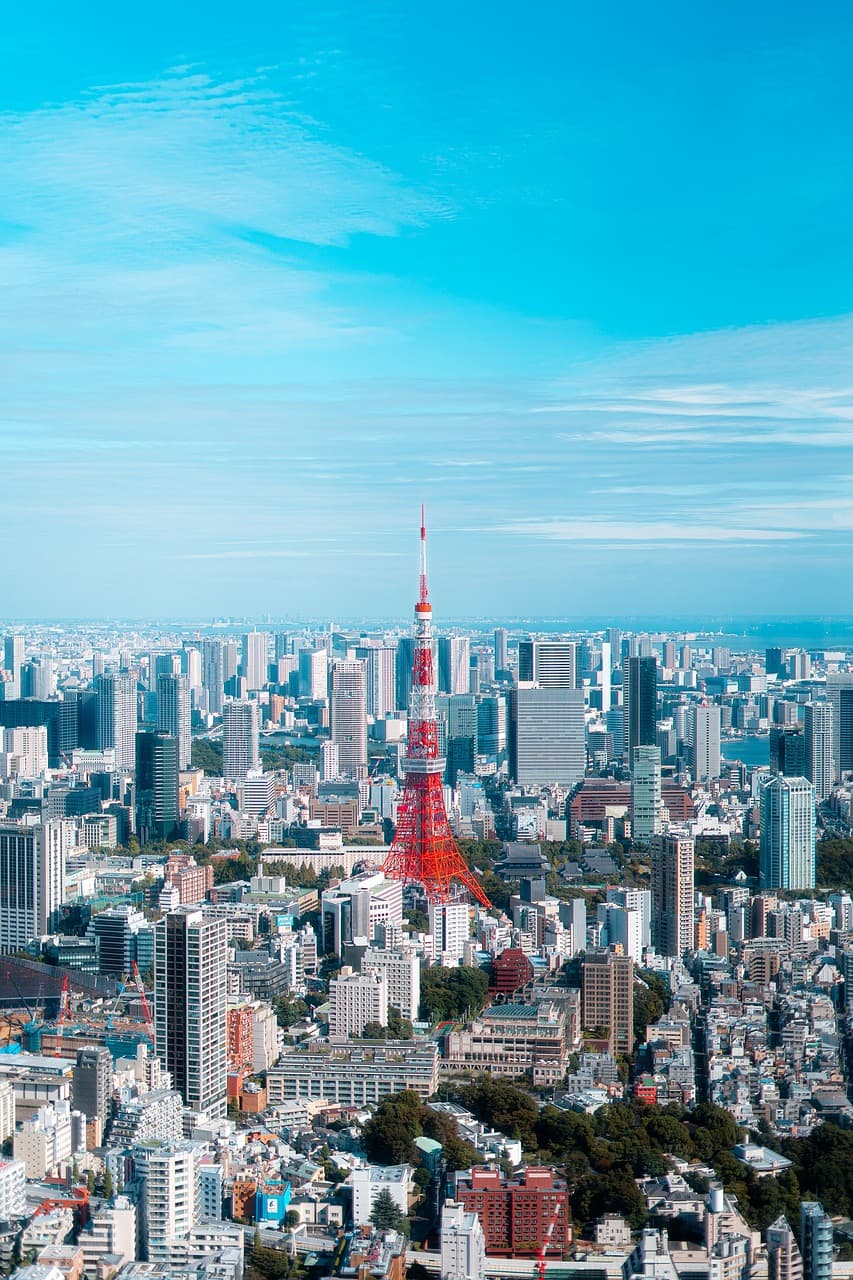
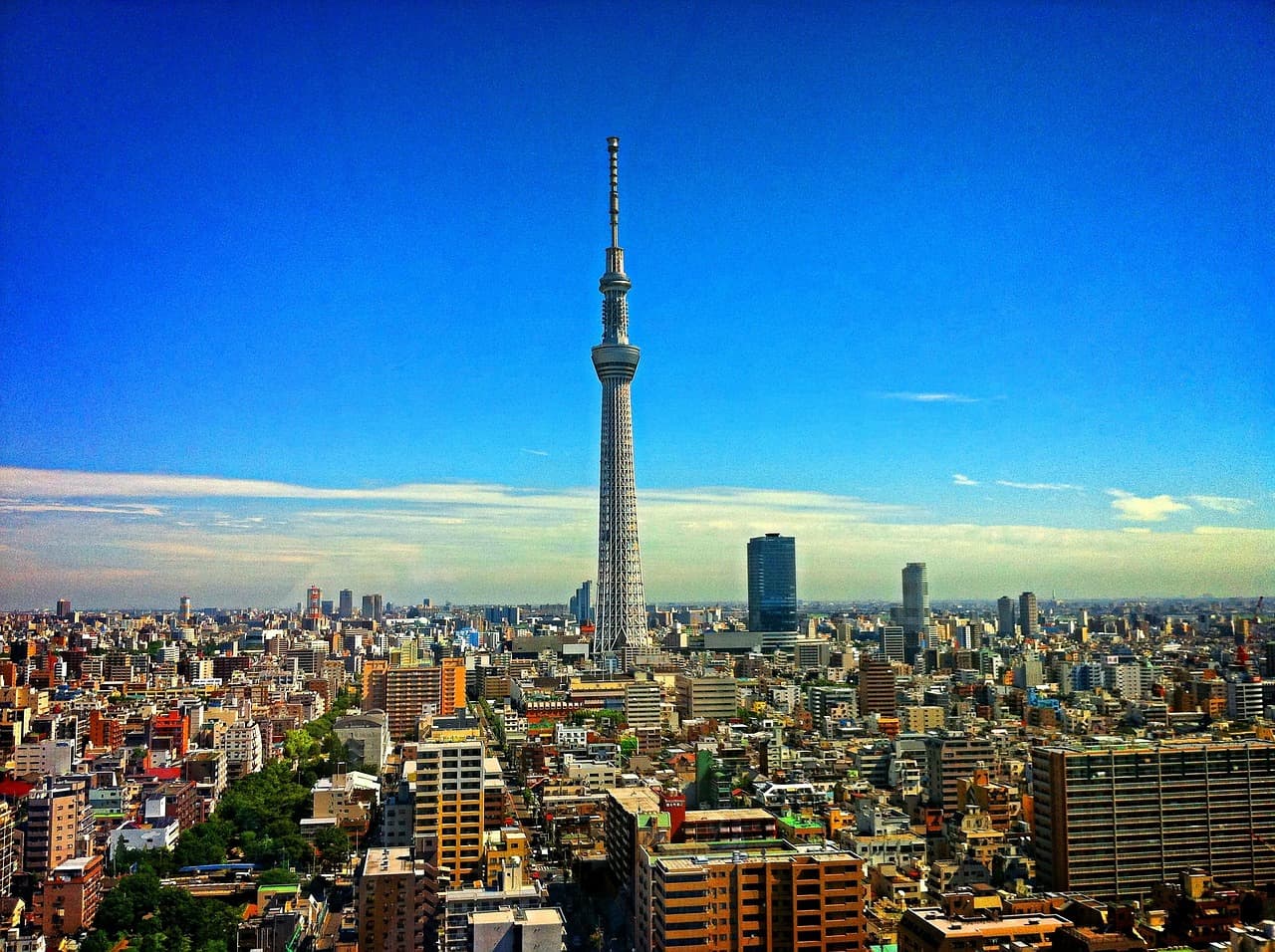
I tried, on my first night in Tokyo, to explain to a friend back home what it was like. I gave up after a few exchanges. The problem is that Tokyo resists summary. Every generalisation you make about it has a neighbourhood that contradicts it. It is crowded and empty; it is ancient and relentlessly new; it is loud in the entertainment districts and silent in the residential ones. The only true summary is that it is very large and very dense and rewards attention more than any other city I've been to.
I stayed in Shinjuku, which is the correct place to base yourself if you want to understand what Tokyo is actually doing — the west exit for the corporate towers and the Tokyo Metropolitan Government Building observation deck, the east exit for the Golden Gai bars and Kabukichō and the Shinjuku Gyoen national garden just south of the chaos. The contrasts within a single exit of a single station are a reasonable sample of what the whole city is like at scale.
The Shrines
Meiji Jingu is a Shinto shrine dedicated to Emperor Meiji and Empress Shōken, set in a forest of 120,000 trees that was planted when the shrine was built in 1920. The forest is in the middle of Harajuku; the transition from the streets outside — Takeshita Street with its crepe shops and fashion, Omotesandō with its high-end boutiques — to the forest path that leads to the shrine takes about ninety seconds and feels much longer. Inside, the shrine itself is all natural cypress wood, the architecture restrained and direct in the Shinto manner.
Senso-ji in Asakusa is Tokyo's oldest temple, founded in 628 CE. The approach through the Nakamise-dori shopping street — tourist shops selling ningyo (dolls), sembei (rice crackers), folding fans, fortune slips — is in explicit tension with the devotional seriousness of the temple complex at the end of it. The tension is comfortable and very Tokyo: commerce and the sacred in constant, unconcerned proximity.
The Food
Tokyo has more Michelin stars than any other city on earth. This fact is true and also somewhat misleading about how most people should eat there. The best food I ate in Tokyo was not at a starred restaurant — it was ramen at midnight at a counter in a shop in Shinjuku that had eight seats and one item on the menu and a line that moved efficiently. The ramen was tonkotsu, the broth was extraordinary, the chashu pork had been braised for several hours, and I ate it in nine minutes standing outside with the container balanced on a vending machine because there were no seats left. It was the best thing I ate in Japan.
The covered shopping streets (shotengai), the depachika (department store basement food halls — Isetan in Shinjuku is essential), the fish at Toyosu Market (which replaced Tsukiji; the outer market at Tsukiji still has excellent breakfast sushi) — Tokyo's food infrastructure is so dense and so good that you can eat brilliantly by simply walking into whatever looks most alive.
The Neighbourhoods
Each neighbourhood is its own world. Yanaka is one of the few that survived the 1923 earthquake and the 1945 firebombing, and walking it is the closest you get to old Tokyo: small temples, low wooden buildings, a cemetery full of cats, a covered shotengai with shops selling Japanese pickles and paper goods and tofu. Shimokitazawa is where the musicians and the independent theatres and the vintage clothing shops are — a village inside the city, twenty minutes from Shinjuku. Akihabara is electronics and anime and the visible evidence of things Japan produces that the rest of the world does not. All of them are accessible by train, in under thirty minutes, from wherever you're staying. This is the thing about Tokyo: the transit infrastructure is so good that the whole city is, effectively, walking distance.
Tokyo