Sivas: Where the Seljuks Built in Stone
The crossroads of Anatolia — intricate thirteenth-century medreses, a working-city atmosphere, and almost no other tourists
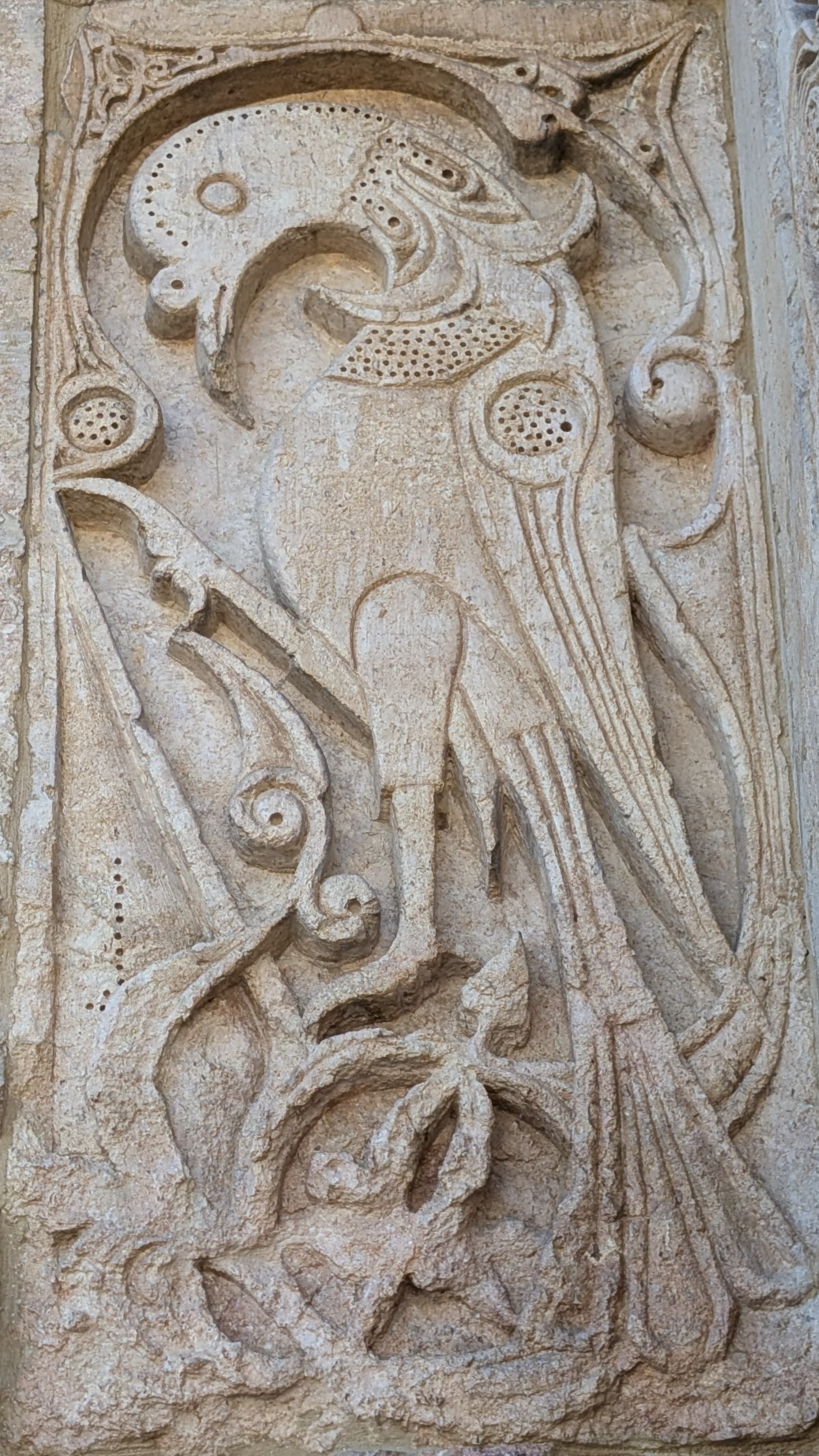
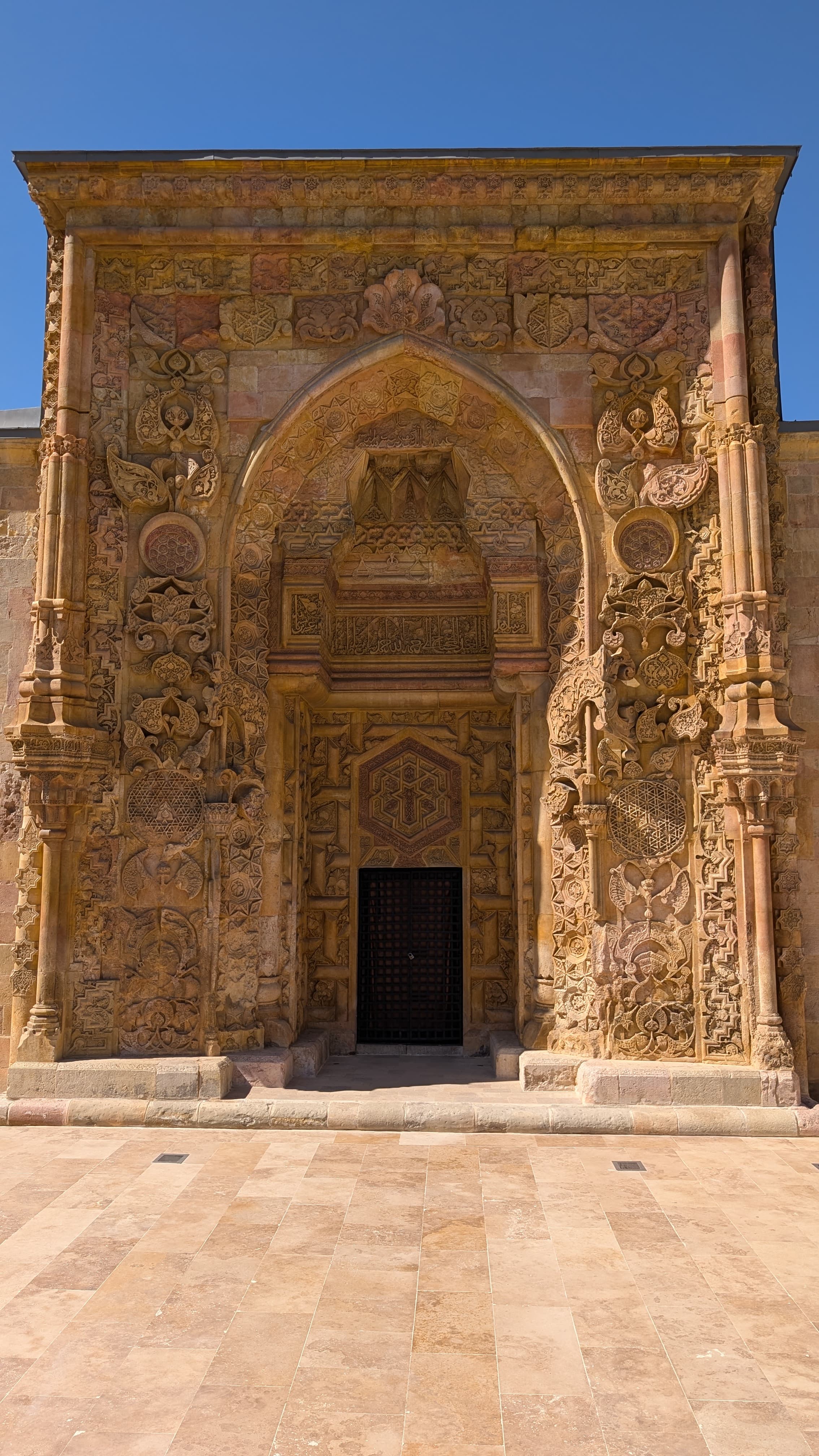
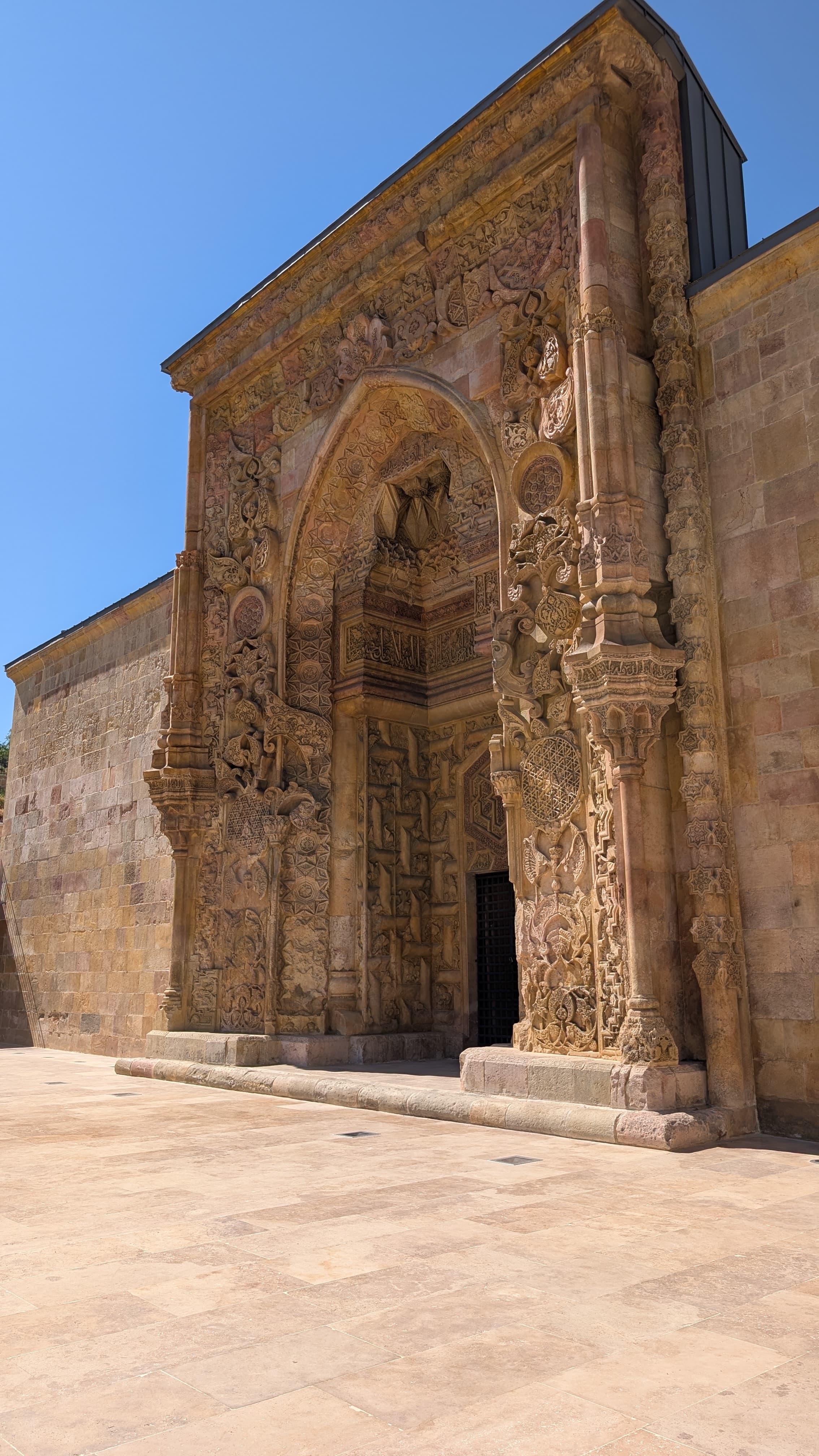
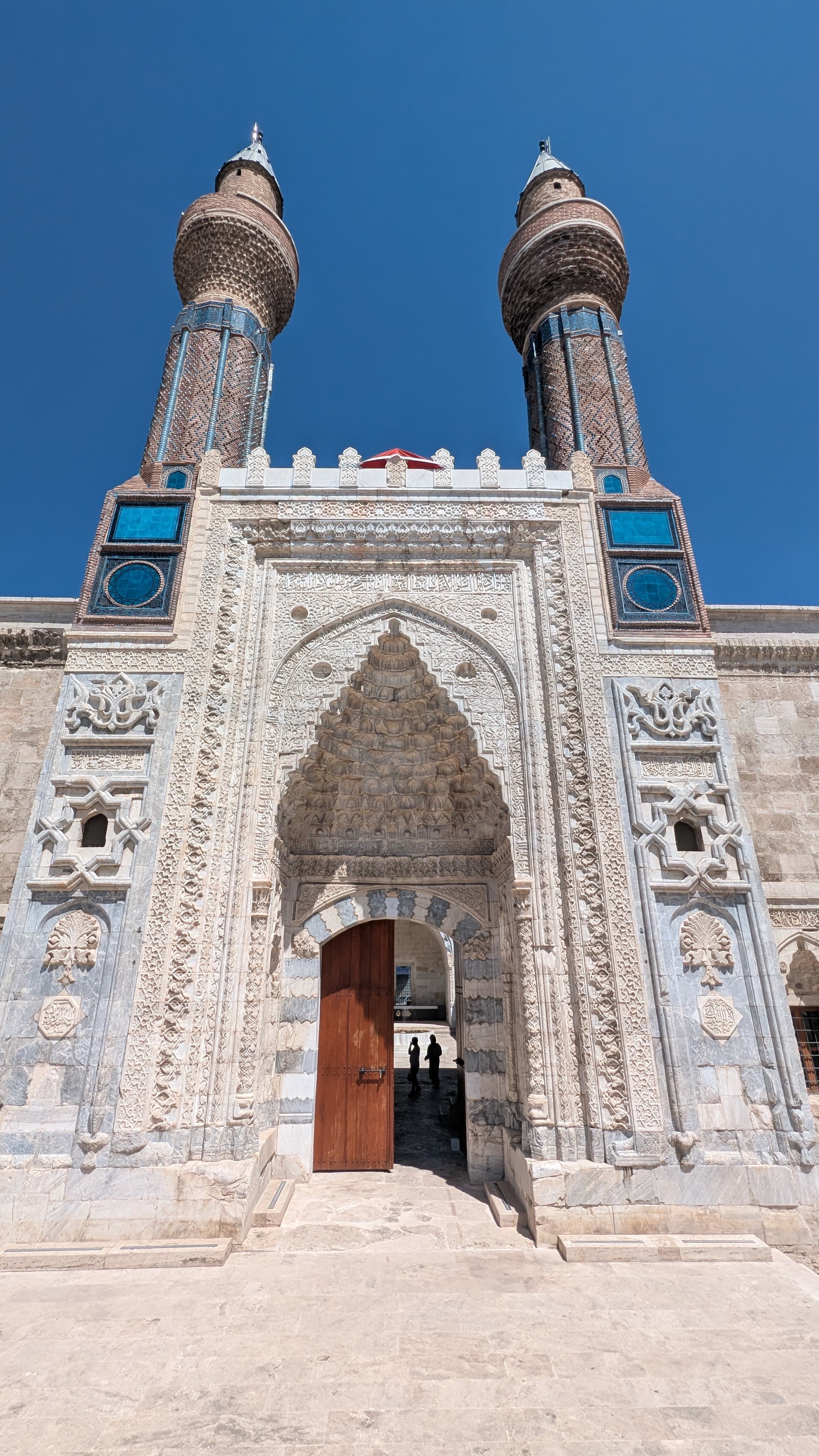
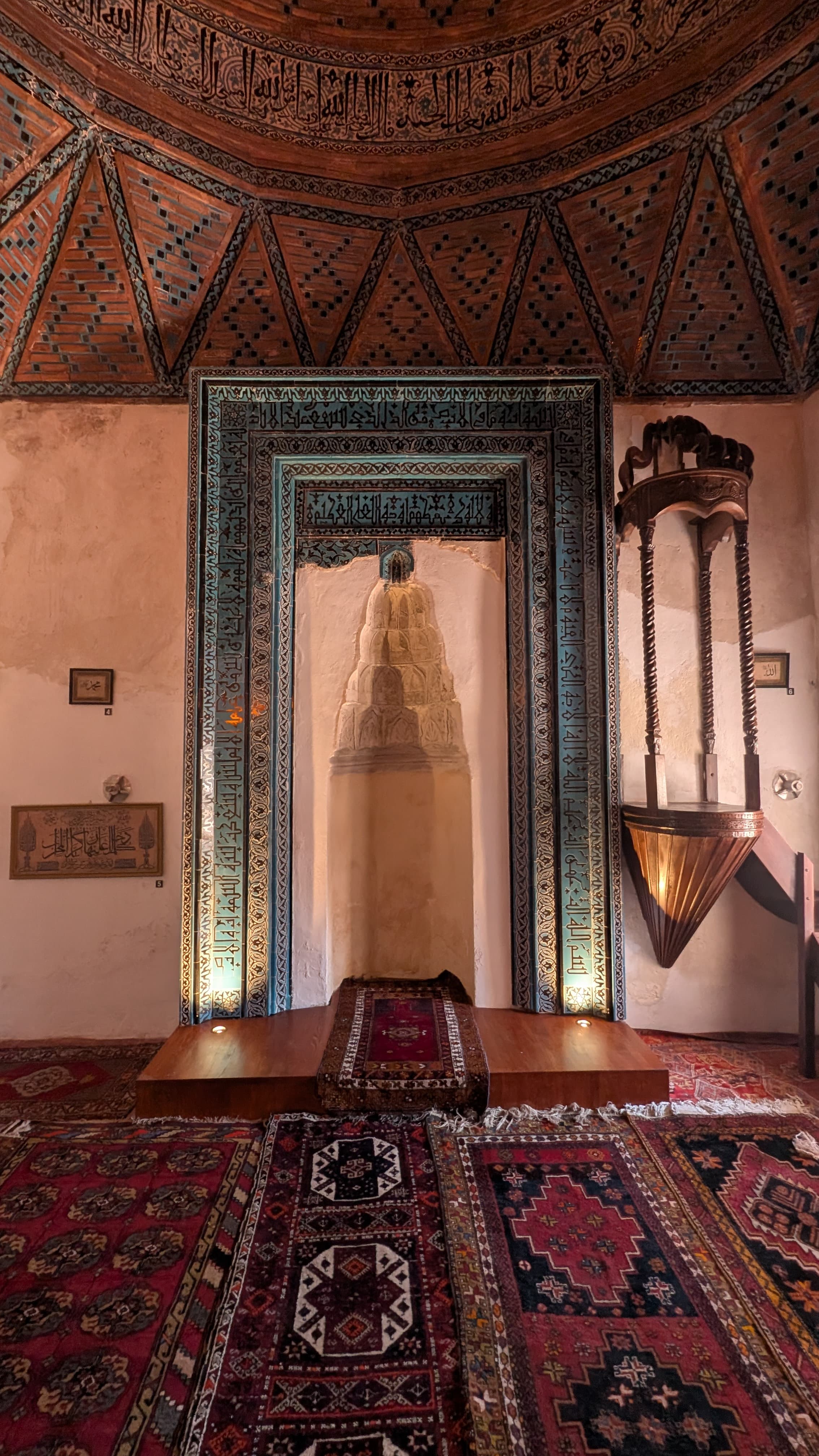
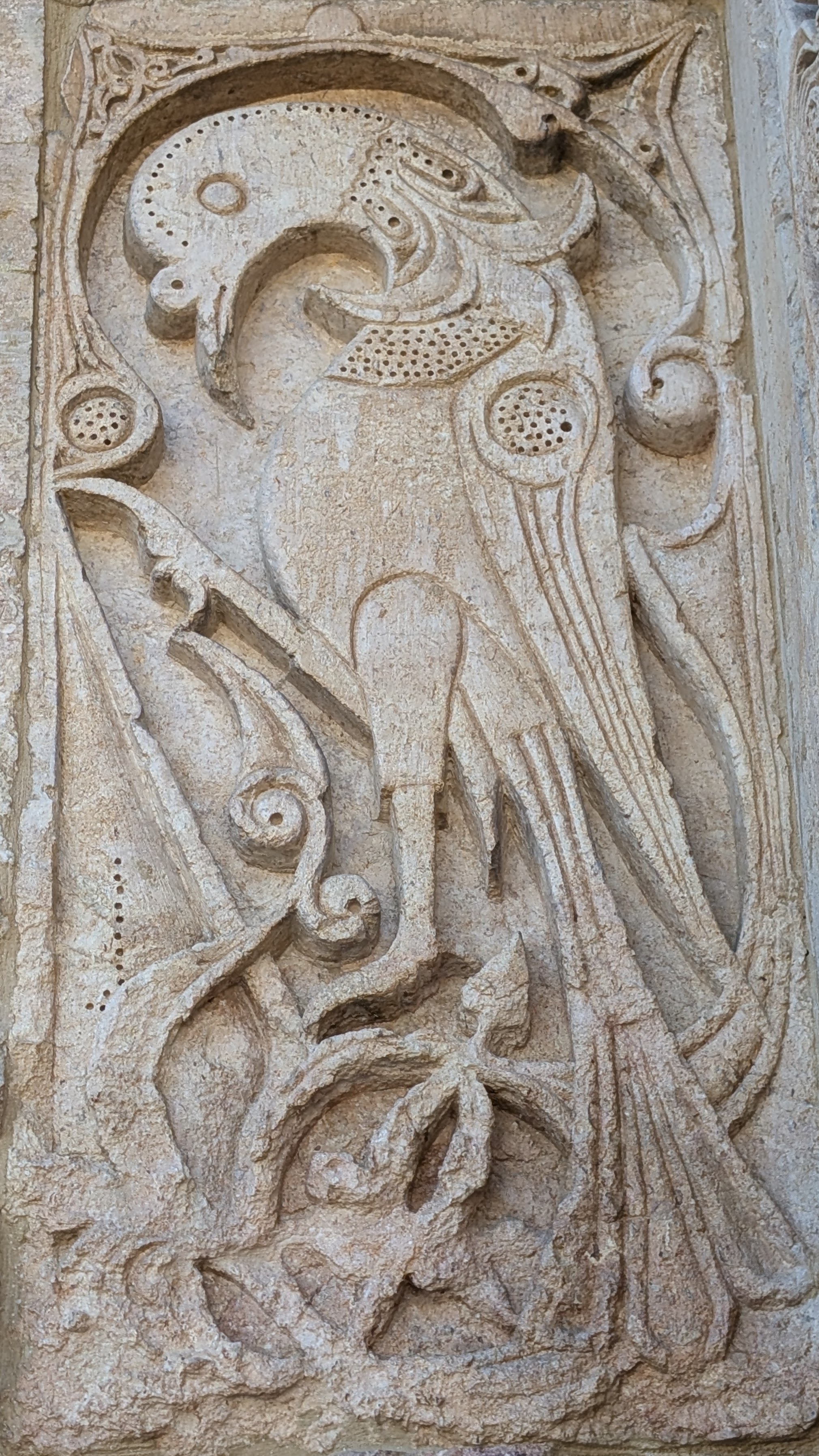
The Çifte Minare Medrese in Sivas was built in 1271. It has twin minarets framing an entry portal covered in such dense and intricate stone carving — geometric interlace, calligraphy, floral patterns — that you can stand in front of it for twenty minutes and keep finding new details. It is one of the architectural masterpieces of the medieval Islamic world. Most of the visitors on the day I was there were Turkish high school students on a field trip.
This is Sivas: deeply historically significant, entirely unsung, functioning as a real Anatolian city with no particular interest in being a destination. I was there in July 2025, on a road trip through central Anatolia, and I had the medrese almost entirely to myself for the better part of an hour.
The Medrese Complex
Sivas has three major Seljuk medreses from the thirteenth century, all within walking distance: the Çifte Minare Medrese (1271), the Gök Medrese (1271), and the Buruciye Medrese (1271) — all built within the same year during a remarkable moment of cultural confidence under the Seljuk ruler Gıyaseddin Keyhüsrev III. The Buruciye now houses a café inside its courtyard; ordering tea while sitting under its carved stone arcades is the correct way to spend an afternoon.
The Congress and the City
Sivas is also historically important in the Turkish national story: the Sivas Congress of September 1919, called by Mustafa Kemal, was a key moment in organising the Turkish independence movement. The Congress building is preserved as a museum and is genuinely moving in the way that real historical spaces are — the actual room, the actual furniture, the scale of what was decided here. It provides a grounding that the medreses, for all their beauty, don't.
The city itself is large enough to have proper restaurants and cafés, small enough to walk. The Mimar Sinan Mosque (sixteenth century) stands near the medreses. The covered market has the usual Anatolian inventory. The evenings bring the city out to the wide boulevards and parks. Sivas is a city that sustains itself without tourism and is the better for it.
Sivas