Seoul at Maximum Speed
Palaces, street food, and a city that refuses to stand still
Seoul moves fast. This is the first and most reliable thing about it. The metro is exact to the second; the crosswalks count down; the convenience stores are open and stocked at three in the morning; the restaurants turn tables in under an hour at lunch; the streets around Gangnam Station at rush hour are a kind of organised human velocity that I find, personally, electrifying rather than exhausting. Your mileage, as they say, may vary.
I arrived from Tokyo, which was a mistake in sequencing — Tokyo has a way of making everything else feel slightly underprepared — but Seoul recovered my confidence within about an hour. The airport (Incheon) is exceptional. The express train into the city is smooth and precise. The city appears through the train window in stages: industrial outskirts, the Han River, and then suddenly the density of the central districts and the mountains rising behind.
The Palaces
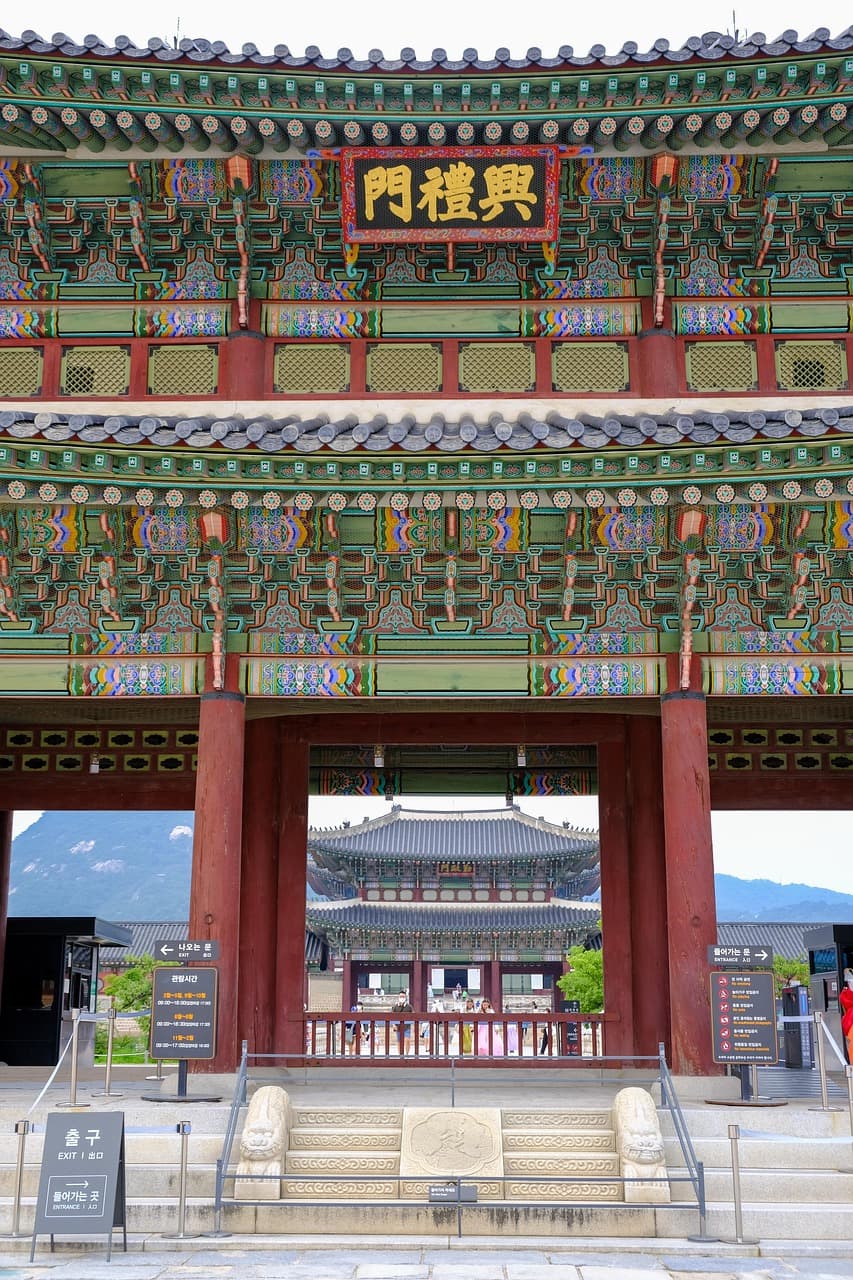
Seoul has five Joseon-era royal palaces, all within or near the city centre. Gyeongbokgung is the largest and most visited — a vast complex of ceremonial halls, garden pavilions, and throne rooms reconstructed after Japanese colonial rule systematically demolished much of the original fabric. The reconstruction is ongoing; the palace is simultaneously a historical site and an active reconstruction project, which gives it an honesty that perfectly restored sites sometimes lack.
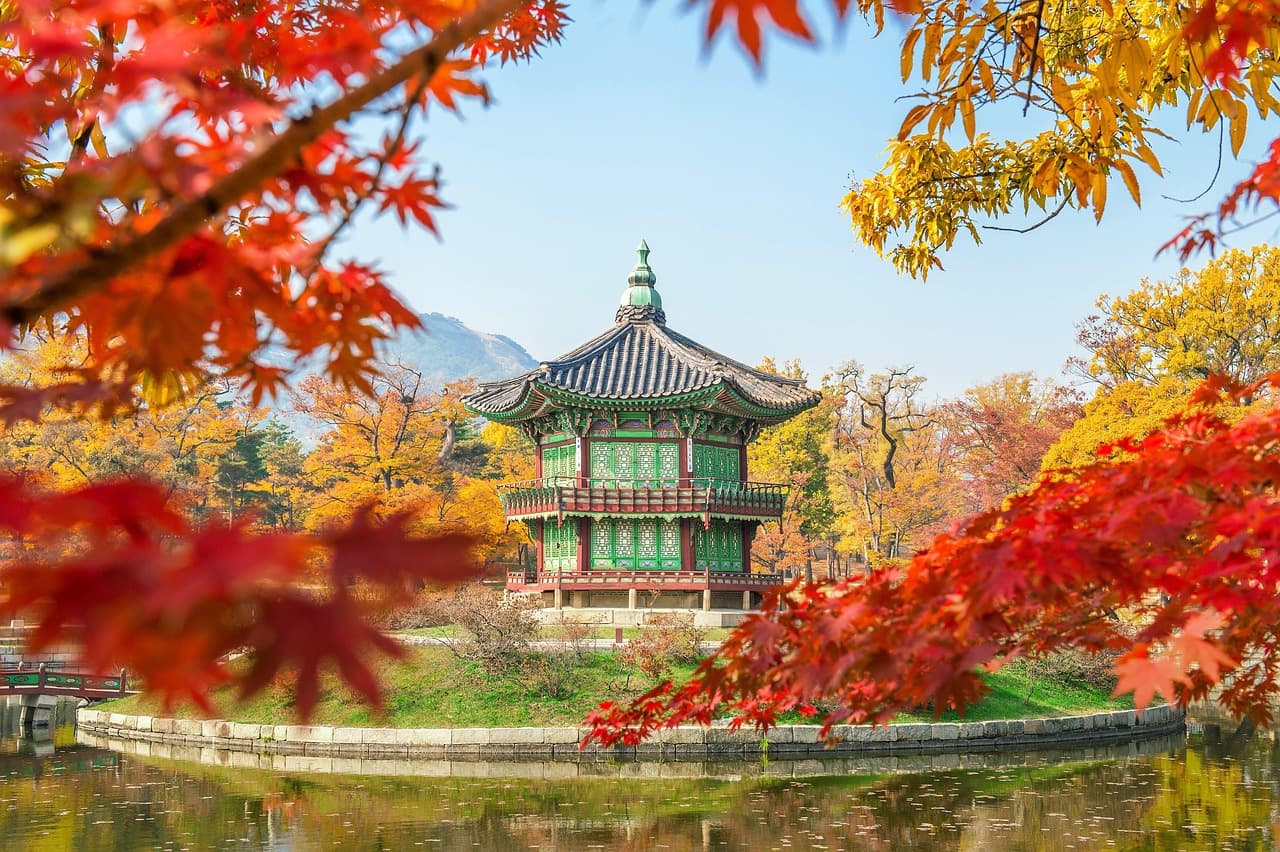
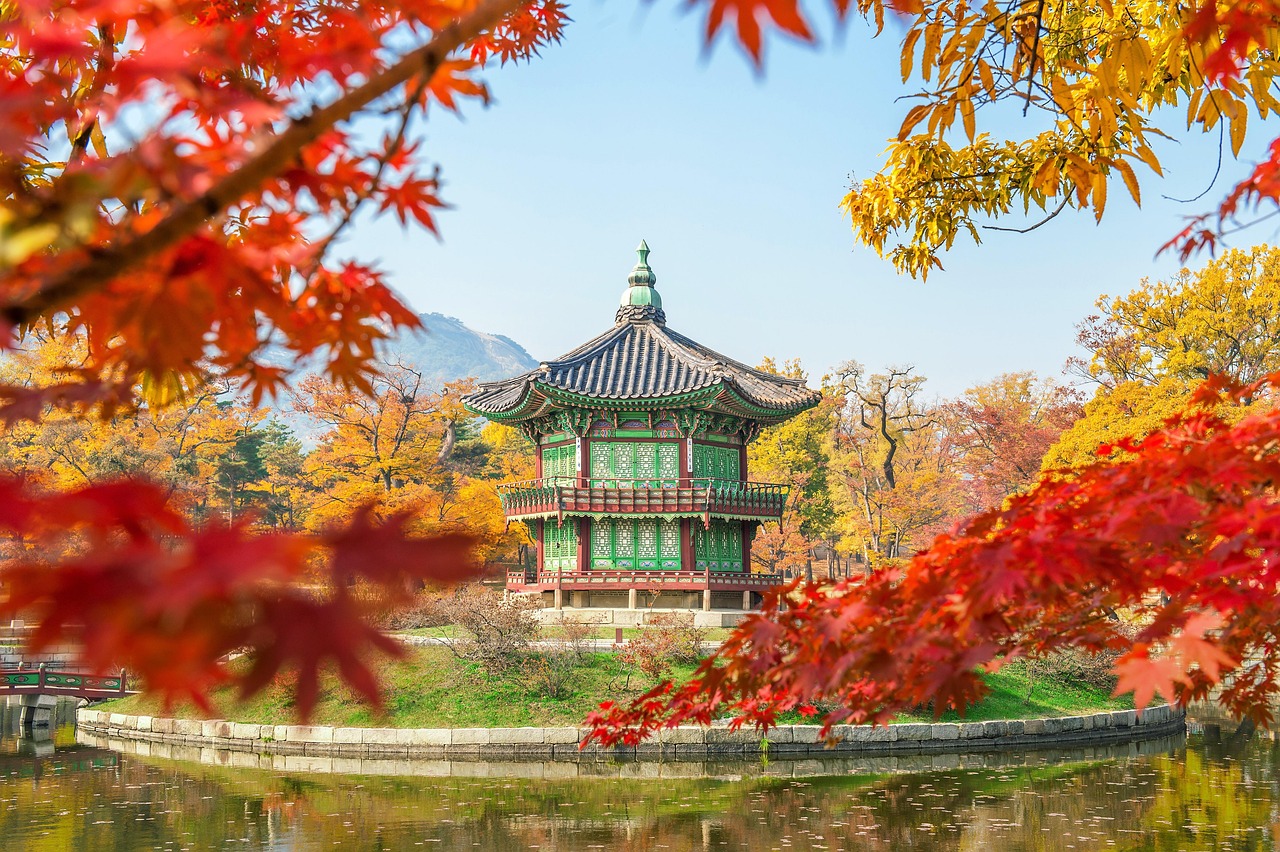
Changdeokgung (UNESCO World Heritage) is smaller and, in my view, more beautiful. The Huwon (Secret Garden) at its rear is a 78-acre royal garden of pavilions, ponds, and ancient trees that was the private retreat of the Joseon kings. The tall zelkova trees and the still ponds and the pavilion eaves curving against the sky: this is the image of Korea that most people don't know to expect, and it's the one that stays with you.
The Food
Korean food rewards adventurousness and punishes caution. The best meals I had in Seoul were not in restaurants — they were at street stalls and pojangmacha (the covered tent restaurants set up on pavements from dusk onwards). Tteokbokki — rice cakes in a deeply spiced gochujang sauce — from a street cart near Insadong at ten in the evening. Grilled samgyeopsal (pork belly) cooked on a table grill, wrapped in perilla leaves with raw garlic and gochujang, eaten in a basement restaurant in Mapo that had no English menu and no tourist traffic. Jokbal — braised pig's trotters — at a pojangmacha near Dongdaemun, served with fermented shrimp paste and soju, cold and excellent.
The Gwangjang Market in Jongno-gu is a covered market that has been operating since 1905 and is the best single place to eat Korean street food: bindaetteok (mung bean pancakes), mayak gimbap (small sesame-rice rolls), soondae (blood sausage), japchae (glass noodles). Go hungry. Go with cash. Sit at the counter of whichever stall has the longest queue and order whatever the person next to you is having.
The Energy at Night
Seoul at night is a different city. Hongdae, the university district, moves from cafés and record shops by day to clubs and live music venues by evening — the energy on the streets around midnight on a weekend is the same energy as nowhere else I've been, a concentrated youthfulness that doesn't feel performed. Itaewon has the international restaurants and the bars that stay open until dawn. Gangnam south of the Han River is where the luxury and the polished surfaces are. All of it runs until very late, served by a metro that closes at midnight, which means the streets at one in the morning are full of people who have decided the metro is not their concern and that taxis or walking or the night buses will sort it out. It always does.
Seoul