Ordu, Before the Season Ends
Hazelnut orchards, Black Sea sunsets, and the quiet pleasure of going somewhere nobody told you to go
The decision to go to Ordu was not strategic. I was in Trabzon, the bus terminal had departures every hour along the Black Sea coast, and Ordu was three hours west. I had three days free. The name was good. That was enough.
Arriving in a Turkish city without a plan, without a guidebook entry, without any received idea of what it's supposed to be — this is actually the best condition for arriving anywhere. Ordu had no idea I was coming. I had no idea what Ordu was. We met on equal terms.
The Waterfront
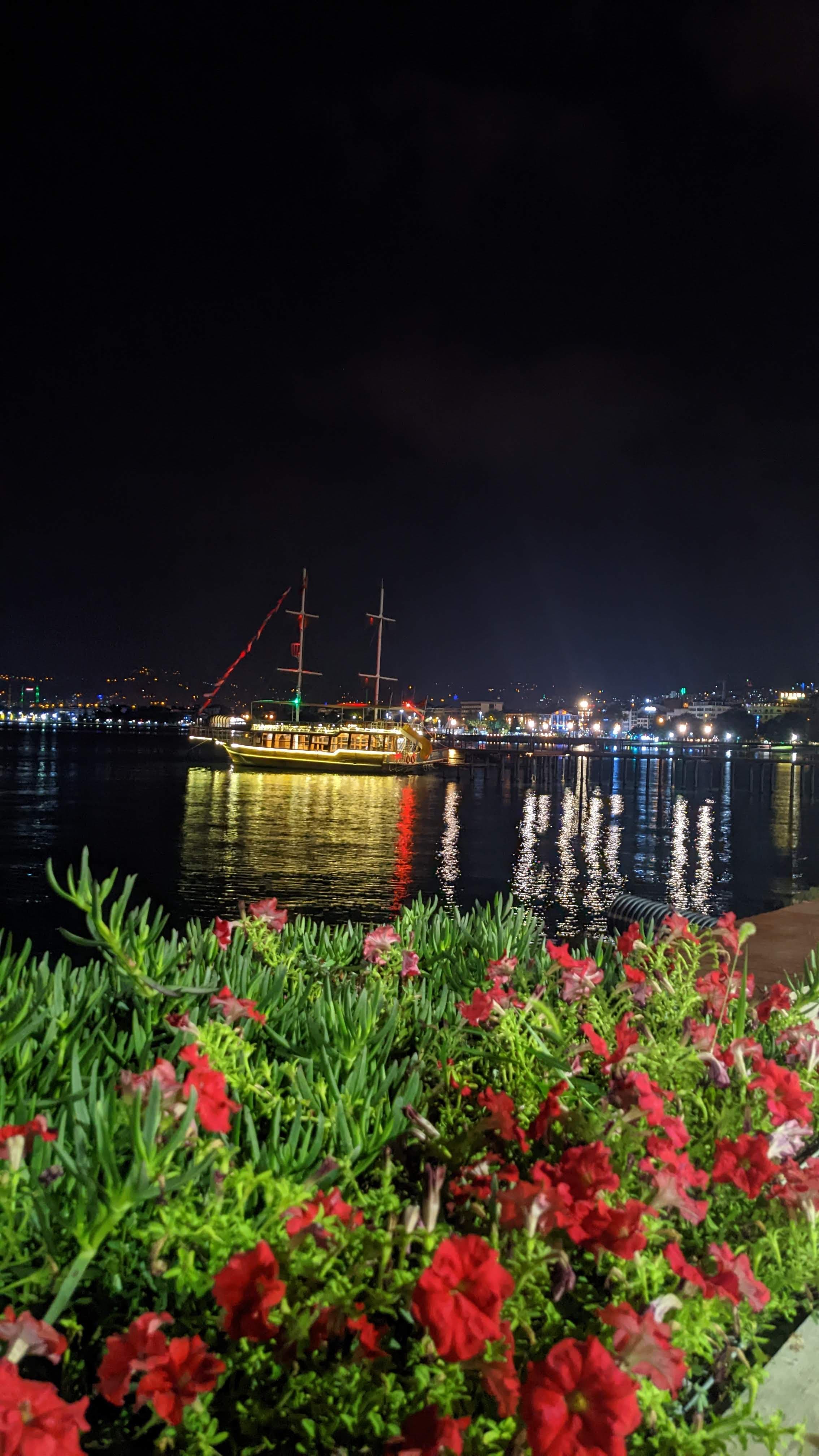
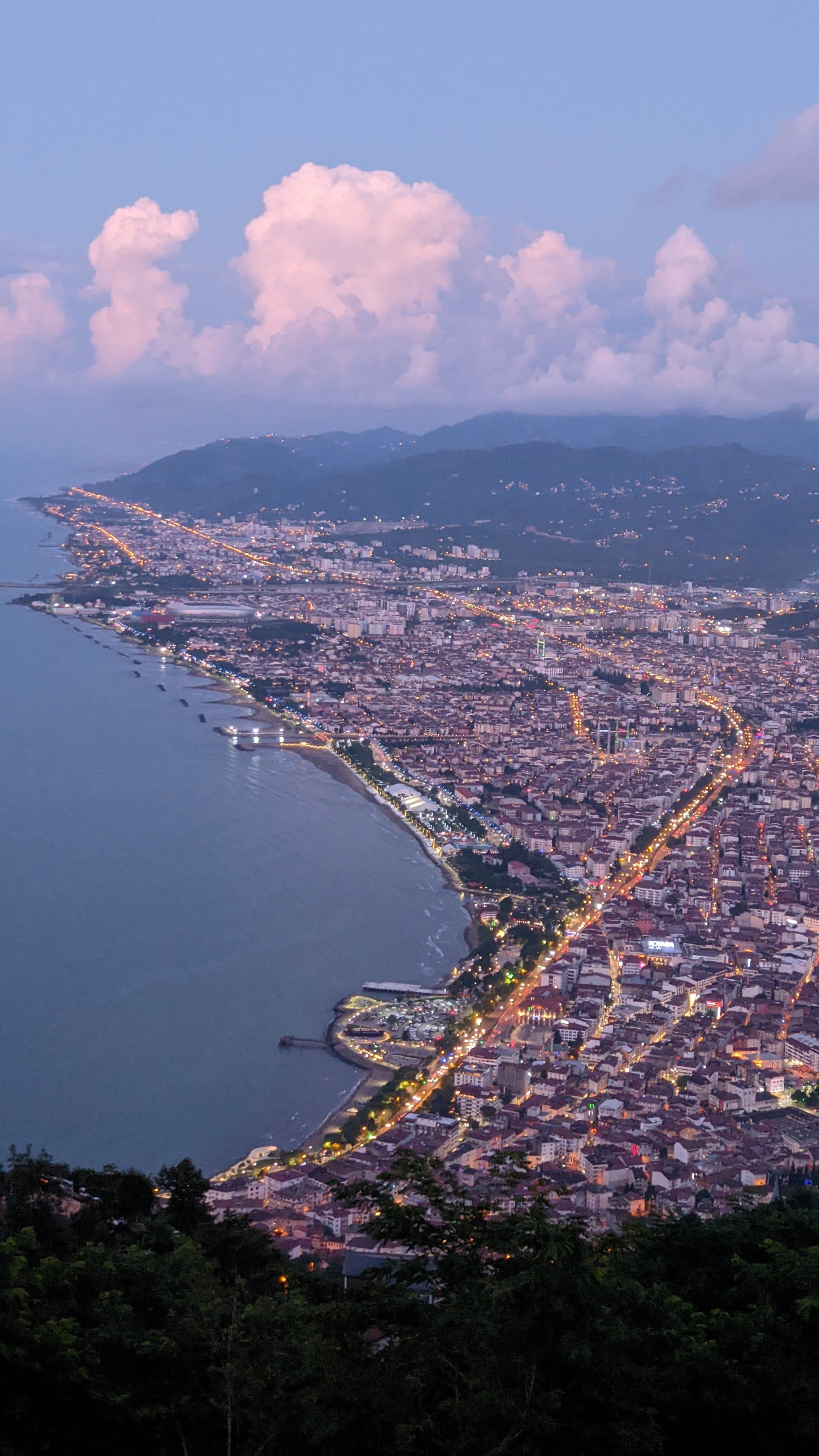
Ordu cascades down from forested hills to a waterfront promenade — the sahil yolu — that the whole city seems to use as its living room. In the evenings, families walk the length of it. Old men sit on benches. Tea houses face the water. The fishing boats are tied up in the harbour, a few gulets among them, their tarps strung with lights in the dark.
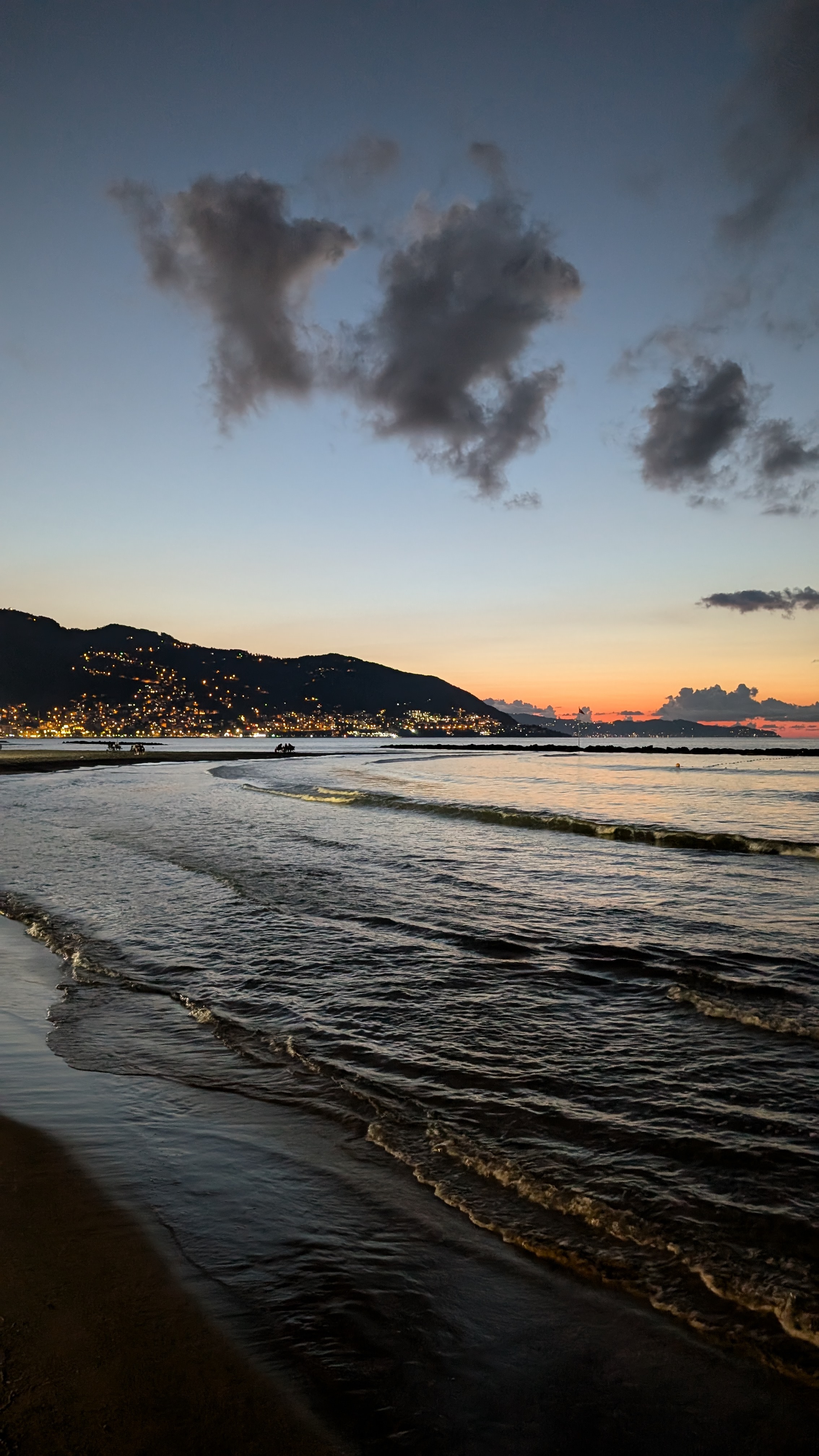
The city's relationship with the Black Sea is different from what you might expect. This is not a resort coast. The sea here is deeper blue-green and often rough; the summers are shorter. The locals swim but there's no pretension about it. The beach at the western end of the promenade was mostly empty when I arrived. I sat on the rocks and watched the water for an hour. Nobody tried to sell me anything. Nobody asked where I was from. This was deeply relaxing.
The Black Sea Coast
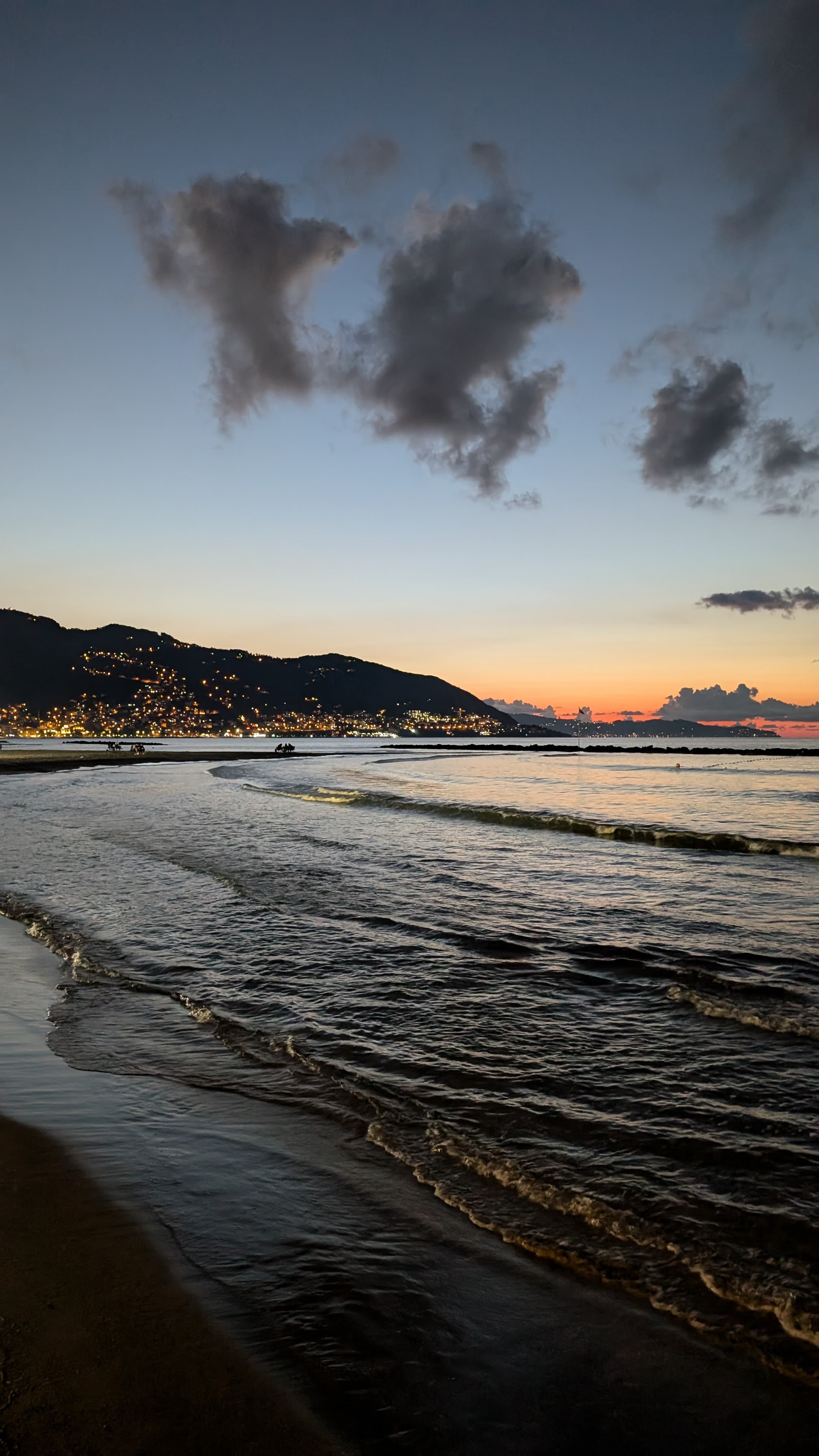
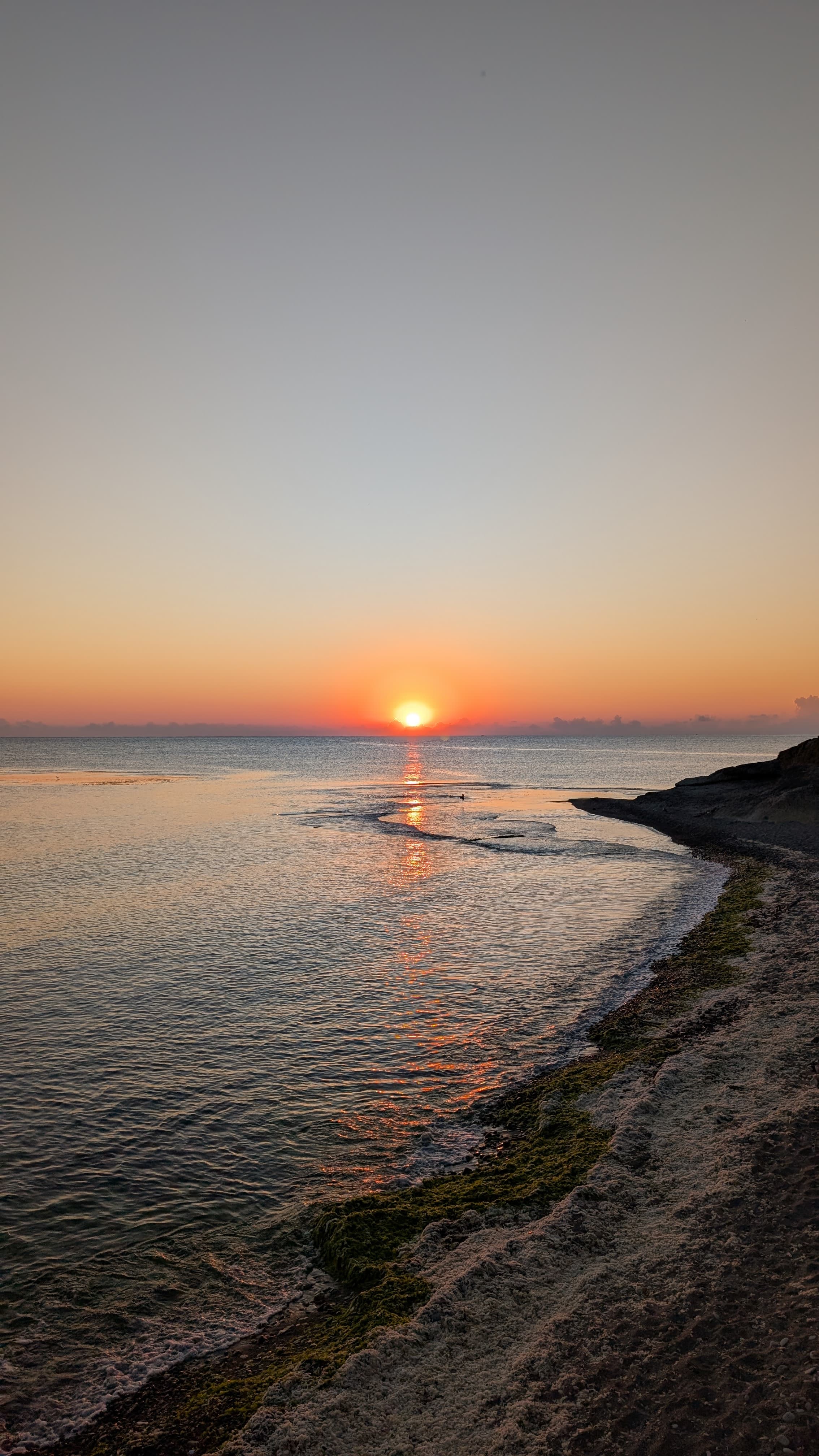
The Black Sea has a quality of light I hadn't encountered before. It comes from the latitude — Ordu is roughly level with northern Italy — and from the sea's peculiar geography: enclosed, with no tides, the water darker than the Mediterranean. The light here is northern European in its angle and intensity but warm in a way that the north usually isn't. Golden hour on the coast goes on longer than it should. I photographed sunsets four evenings in a row and each one was different.
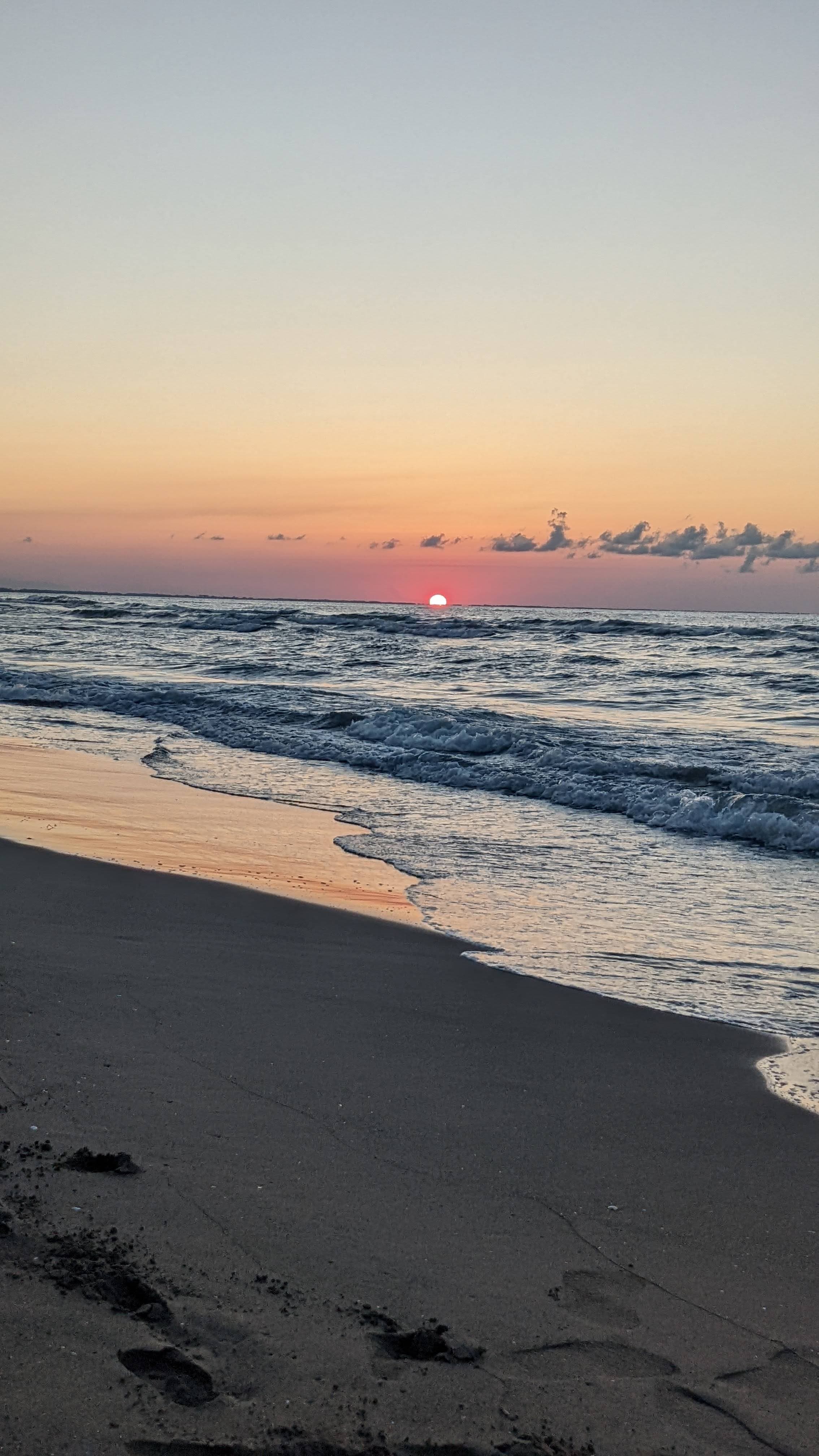
The beach at dawn — before the city woke up, before six in the morning — had the water going colours I don't have words for. Deep orange at the horizon, then pink, then a pale grey-blue toward the zenith. The Black Sea lives up to its name in the blue hour before sunrise. After that, in full light, it's anything but.
Into the Mountains
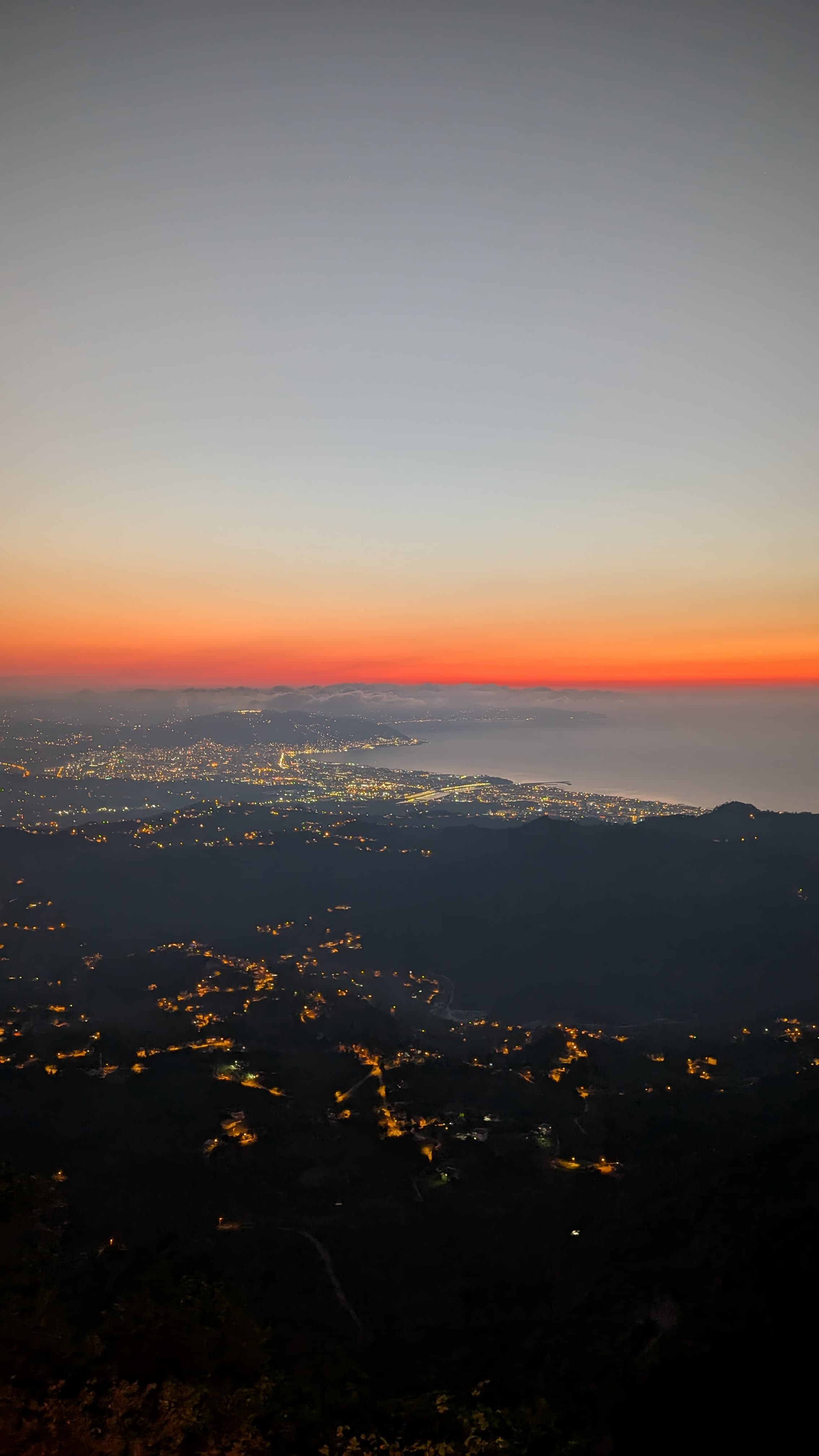
The mountains begin immediately behind the city. Take the cable car up to Boztepe, the forested hill that sits directly above Ordu, and the city drops away below you — the curve of the bay, the promenade, the harbour, the hills extending east and west along the coast. From Boztepe the road continues up into the Pontic mountains, where the valleys are narrow and green and full of hazelnut orchards.
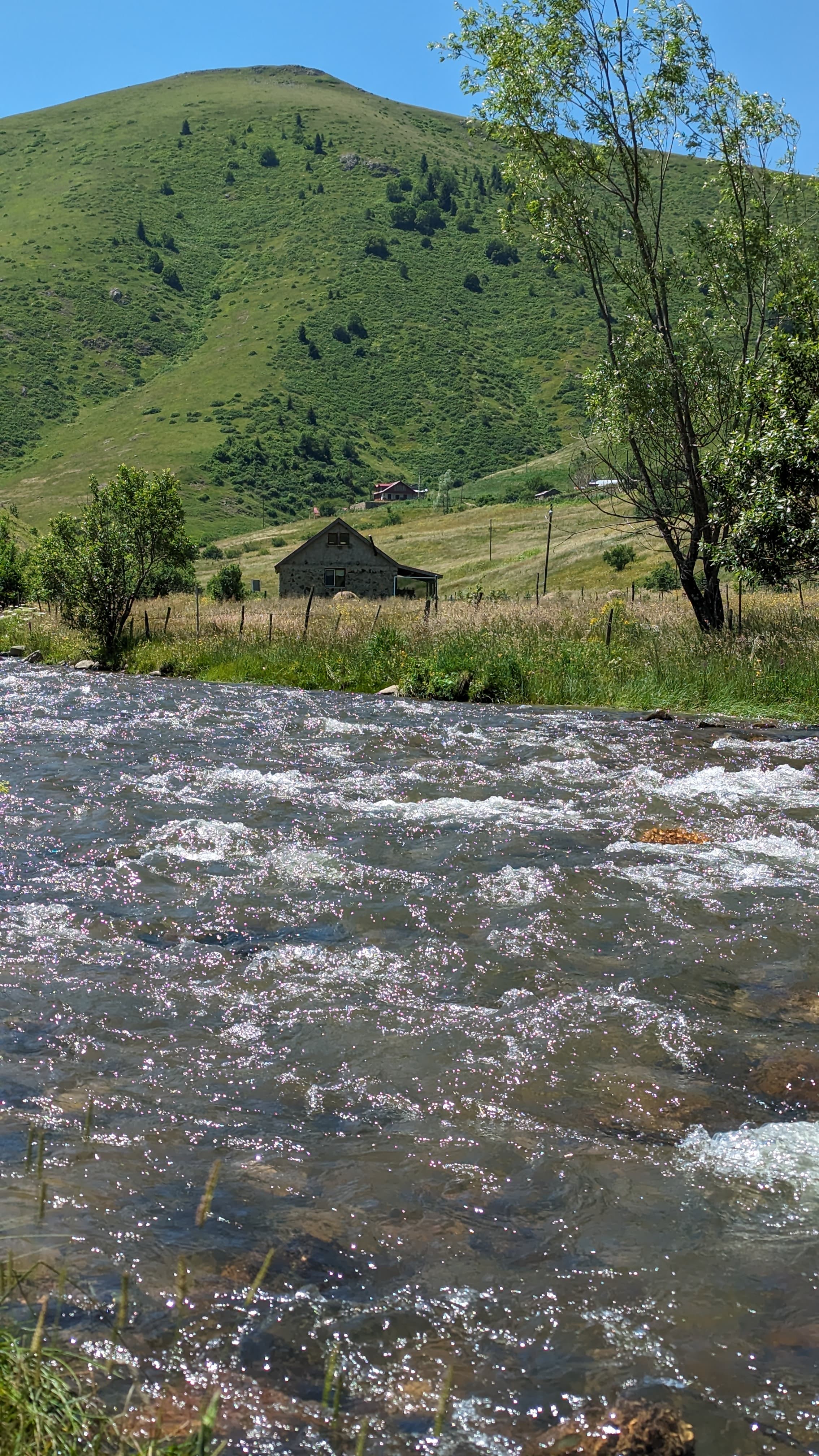
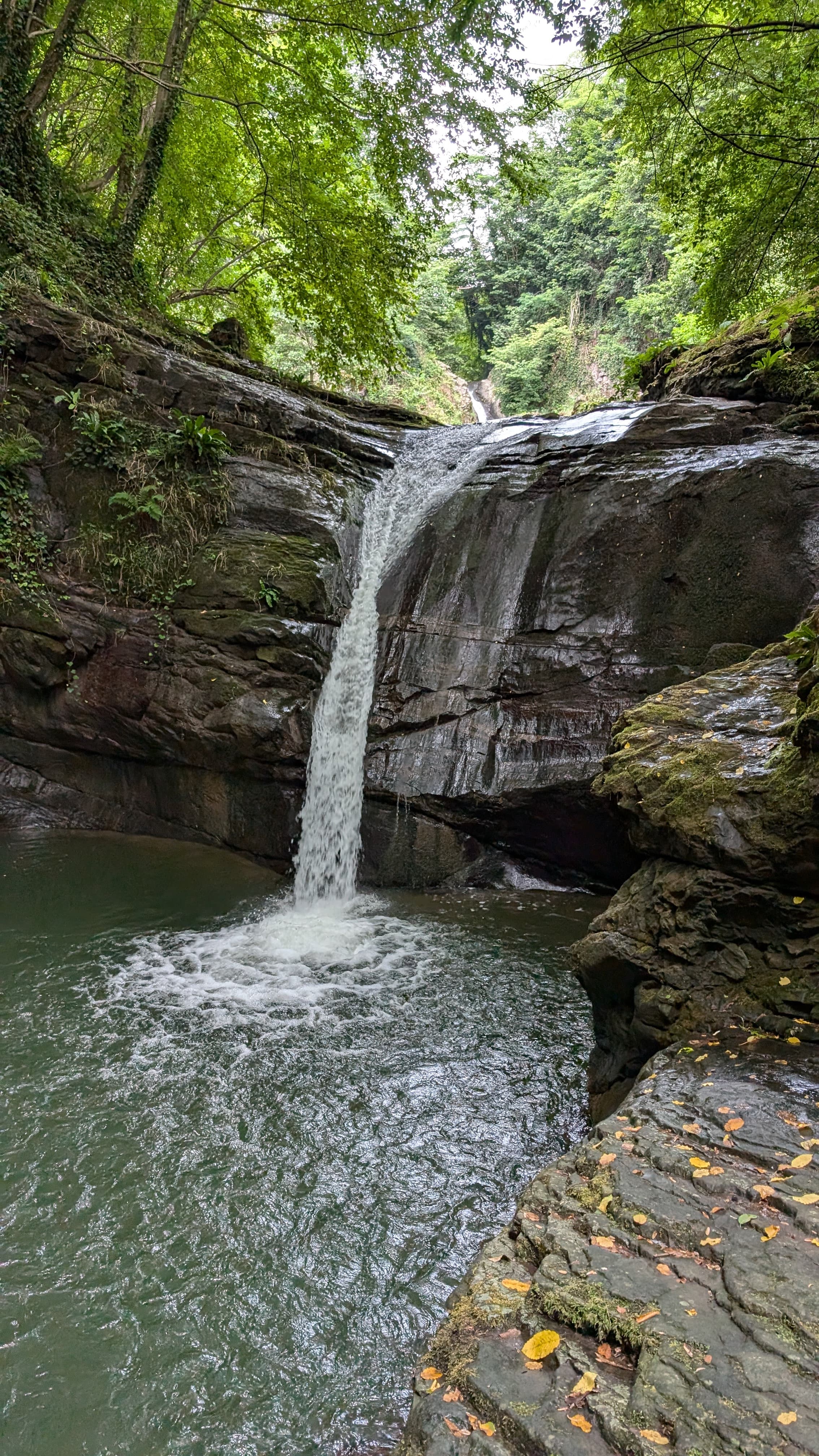
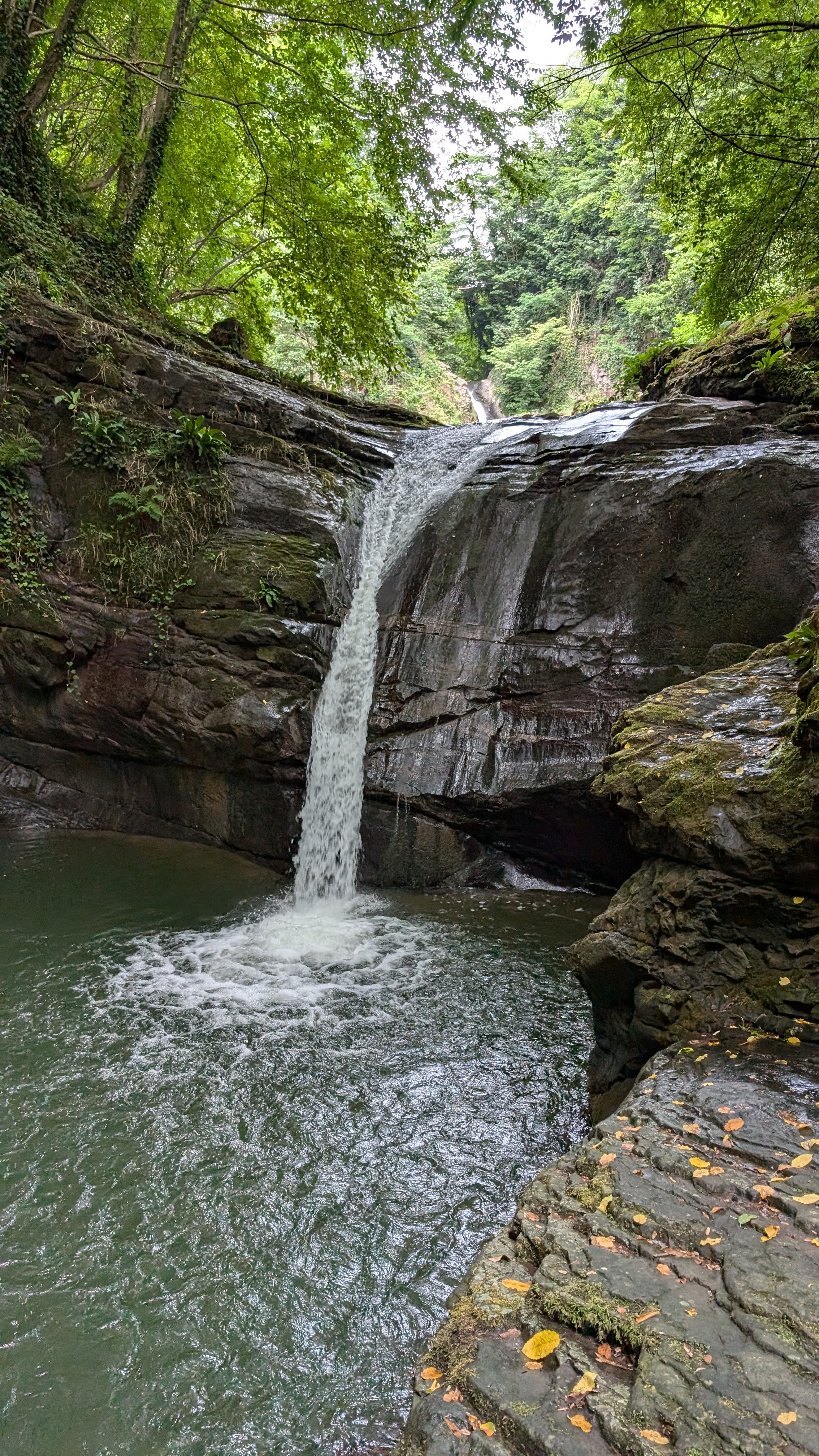
I hired a taxi for a day and went into the hills — forty minutes from the city, a different world entirely. A river ran turquoise through a valley below stone and timber cottages. A waterfall dropped forty metres into a deep pool in forest so dense it blocked the sky. The road wound through hazelnut groves that seemed to go on forever — Ordu is one of the world's great hazelnut-producing regions, and in August the trees were heavy with them, the nuts still green in their husks.
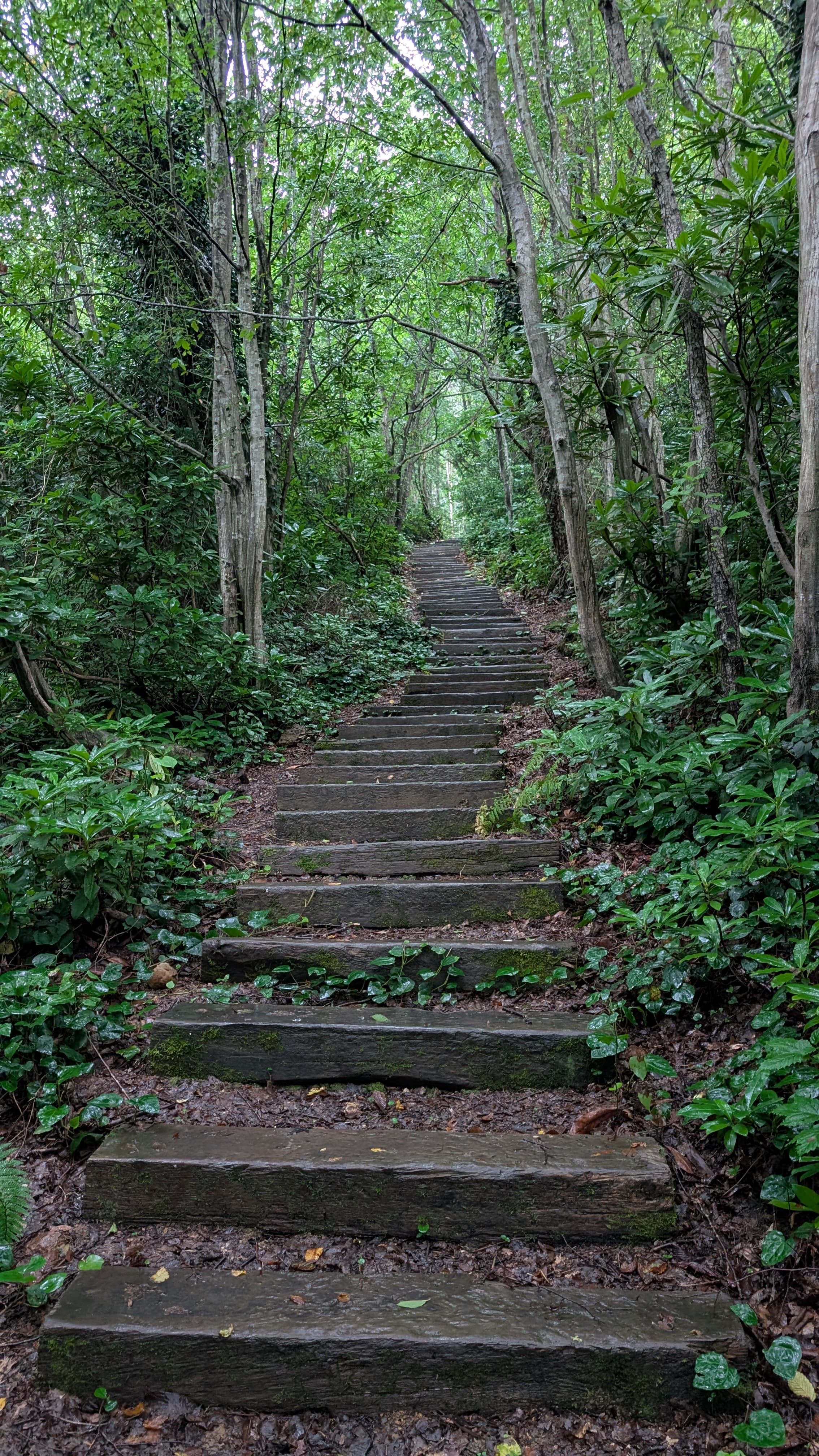
The forest hiking trails above the waterfall were unmarked in any language I could read, but clear enough on the ground. I followed one for two hours through trees, finding nobody. The Black Sea keeps everything green. Even in late summer the undergrowth is lush, the air cool under the canopy, the boardwalk over the wet sections mossy and slightly slippery. I didn't find any trails the internet had catalogued. That felt like a small victory.
The Table
Black Sea cooking is different from the grilled-meat-and-bread that dominates Turkish restaurant menus elsewhere. Anchovies — hamsi — are the defining ingredient: fried, baked, made into soup, turned into a cornbread called hamsili ekmek that looks unlikely and tastes extraordinary. Mussels stuffed with spiced rice appeared on every menu. The mountain tea gardens above the city served tea grown on hillsides thirty kilometres away, dark and strong and served in small glass cups that you hold by the rim to avoid burning your fingers.
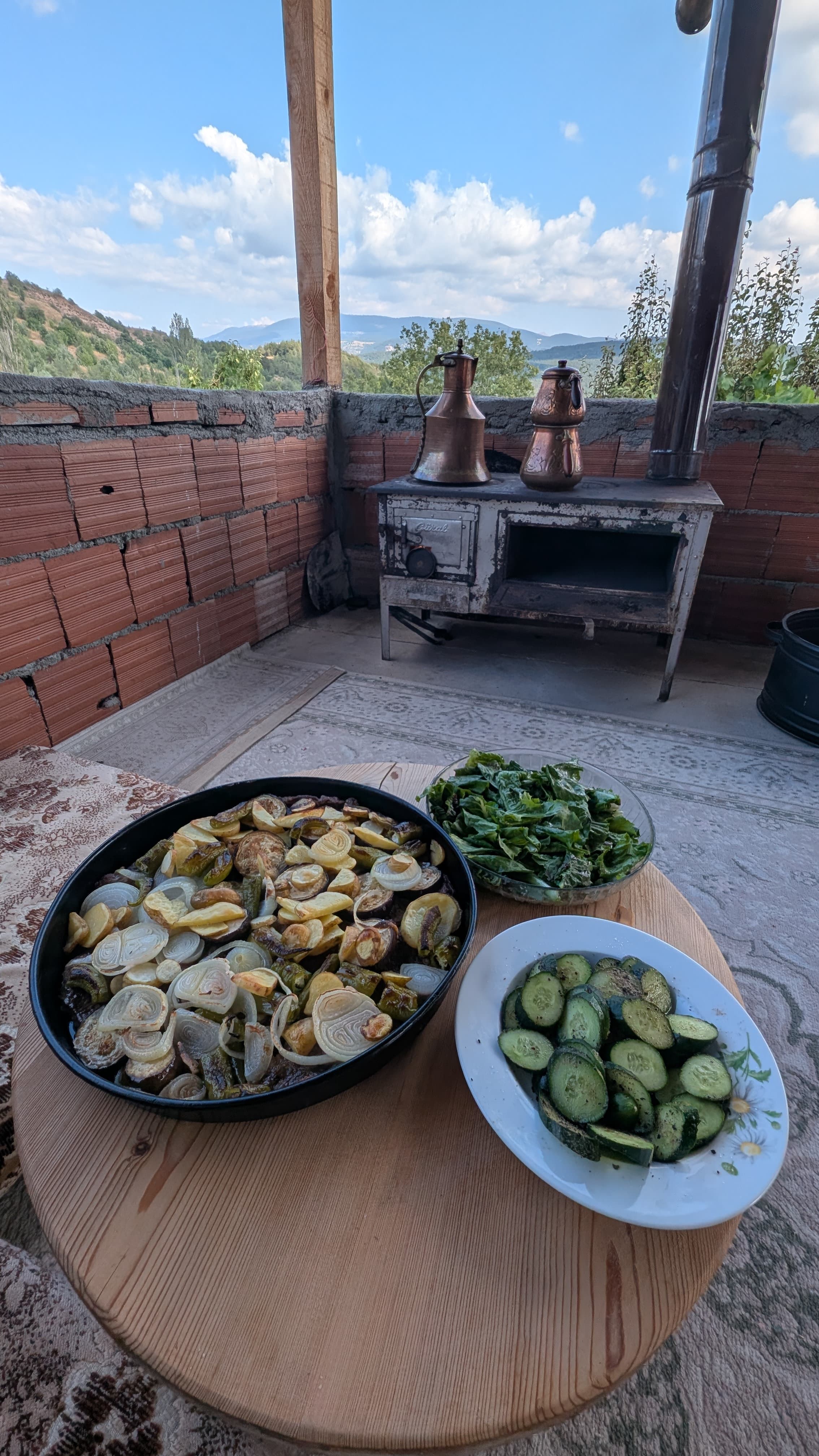
The best meal I had in Ordu was a lunch in the hills — mussels in a pan, a plate of fried anchovies, bread, pickled vegetables, tea. Eaten outside at a wooden table overlooking a valley. It cost almost nothing. It was exactly right.
Photography Notes
The view from the hill road above the city — looking back down at the bay, the promenade curved along the coast, the city climbing the hills behind — is the shot that explains Ordu. Go in the late afternoon. The light comes in from the west and the whole coastline goes warm. The harbour is the other one: blue hour, the gulets lit up, the carnations someone always seems to leave on the pier. The Black Sea coast from the water's edge, at any hour, is worth the attention.
On the Black Sea