O'ahu: Beyond Waikiki
Pearl Harbor, the Pali lookout, and a Hawaiian island that rewards leaving the tourist strip
I was in O'ahu in September 2016 — a long weekend that stretched into a week because that's what Honolulu does to your sense of time. The city is American in most of its rhythms but overlaid with a Polynesian and Japanese cultural inheritance that makes it feel like nowhere else in the country. The food alone — plate lunch, malasadas, shave ice, poke in its original form, not the mainland approximation — is reason enough to stay longer than planned.
The standard O'ahu experience centres on Waikiki: the long crescent of beach, the surf schools, the high-rise hotels, the beachfront bars. It is legitimately enjoyable. But it is also dense and expensive and crowded in a way that starts to obscure the island beneath it. The way to understand O'ahu is to leave Waikiki regularly.
Pearl Harbor
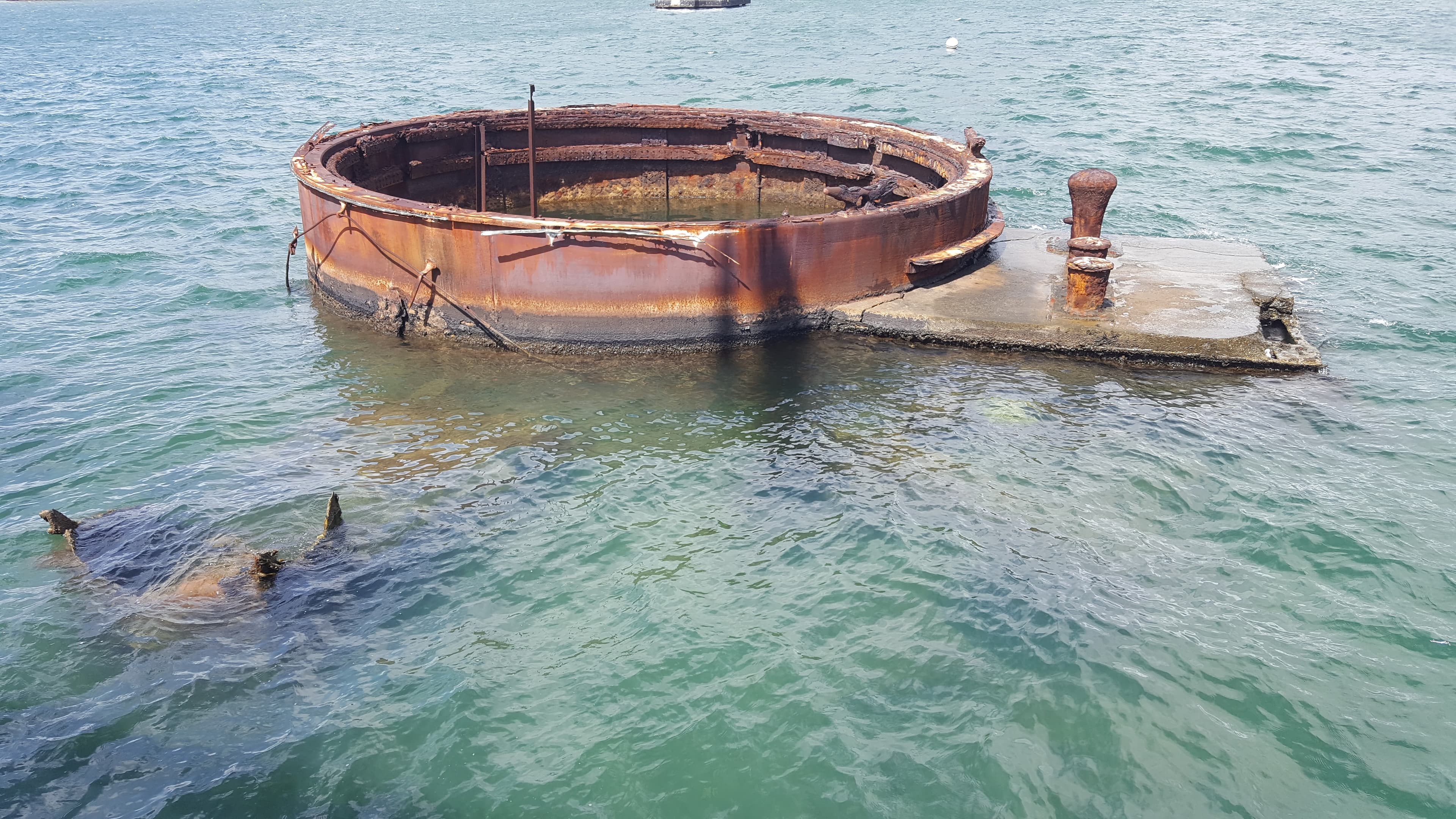
Pearl Harbor is about fifteen miles from Waikiki, and the USS Arizona Memorial is one of those places where the weight of what happened is still present in a way that good historical sites manage to preserve. The memorial floats over the sunken hull of the Arizona, the oil still seeping up after more than eighty years. You stand above the names of the men entombed below you. It is quiet and it should be.
The Pali and the North Shore
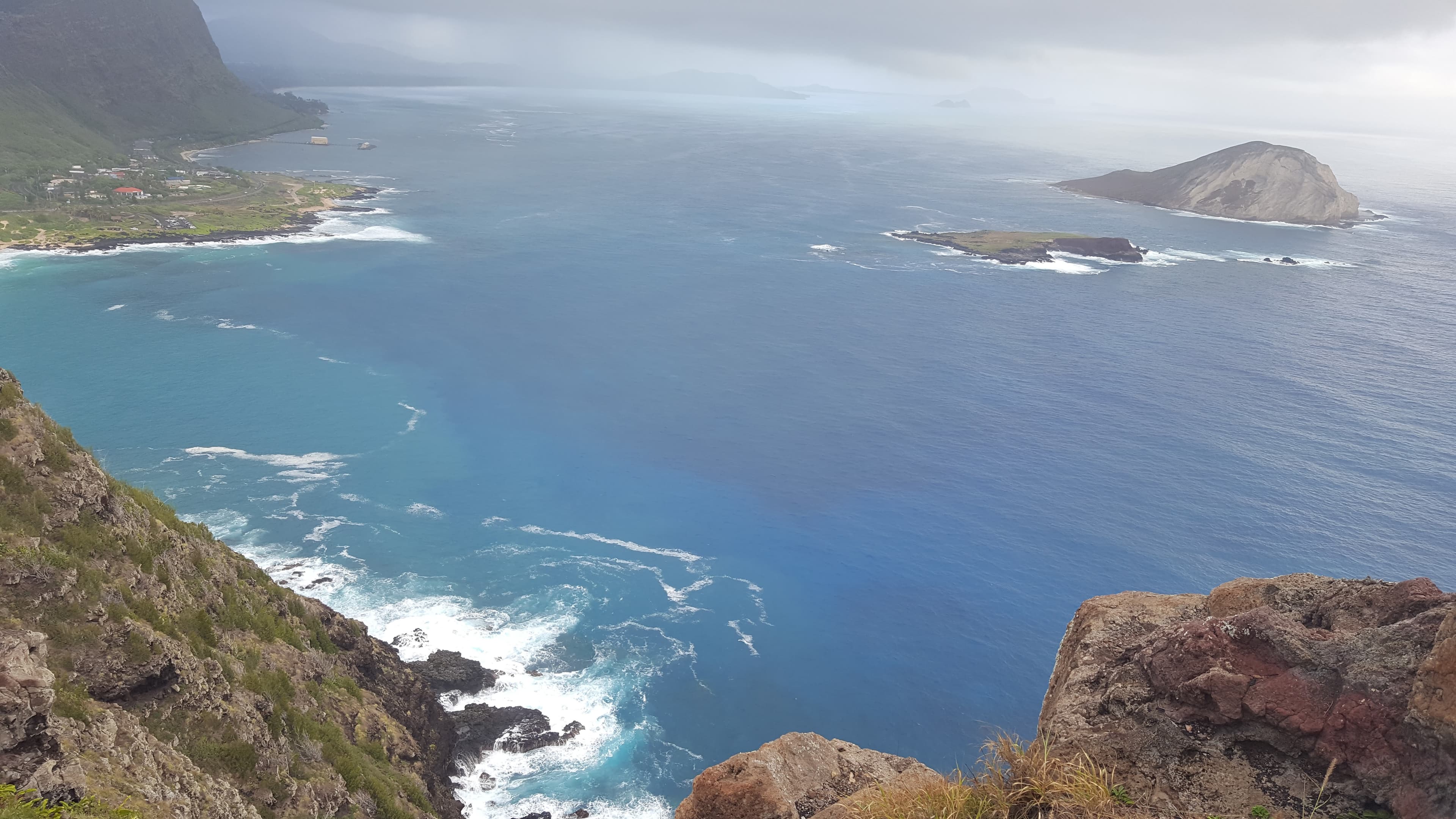
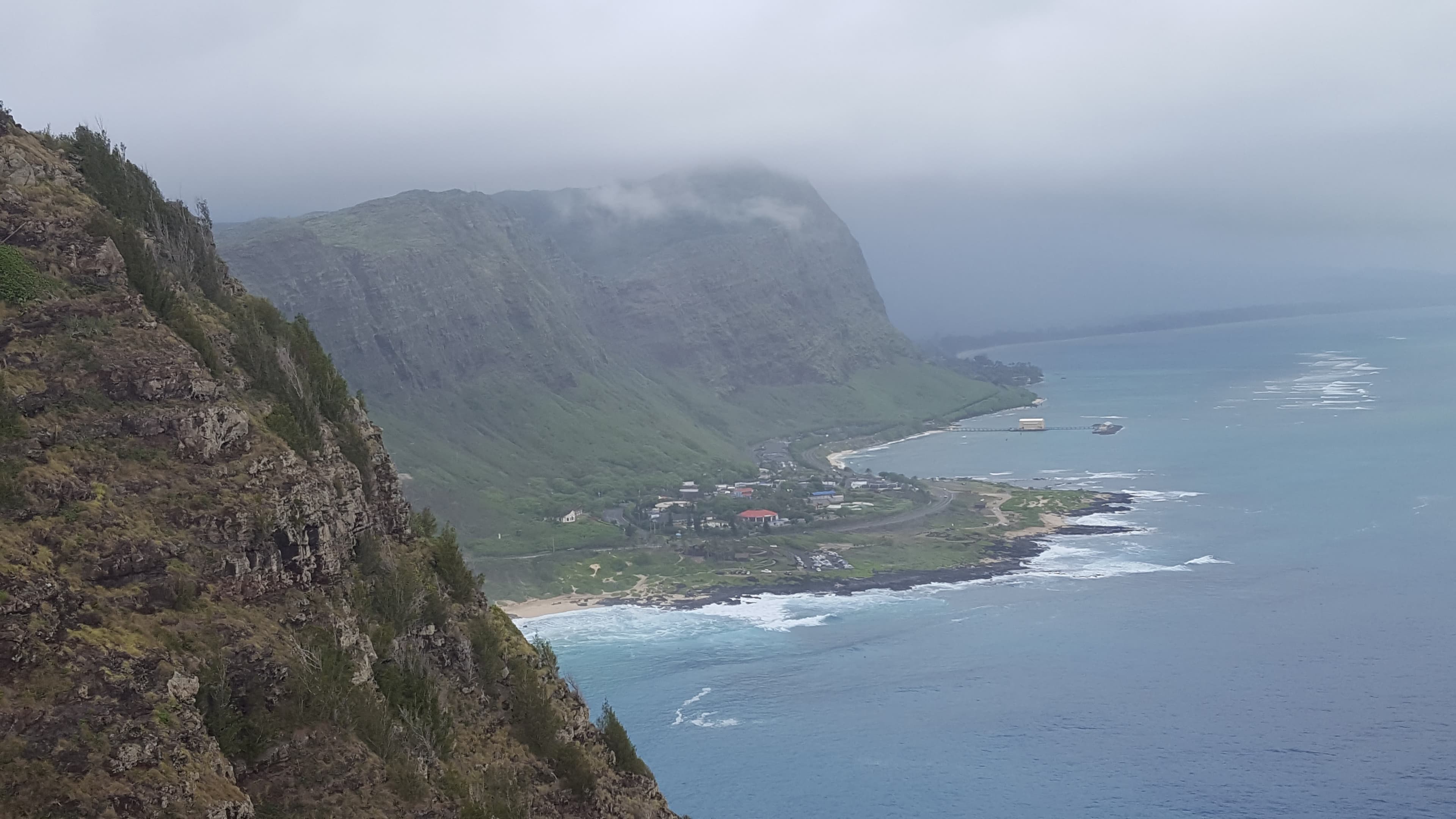
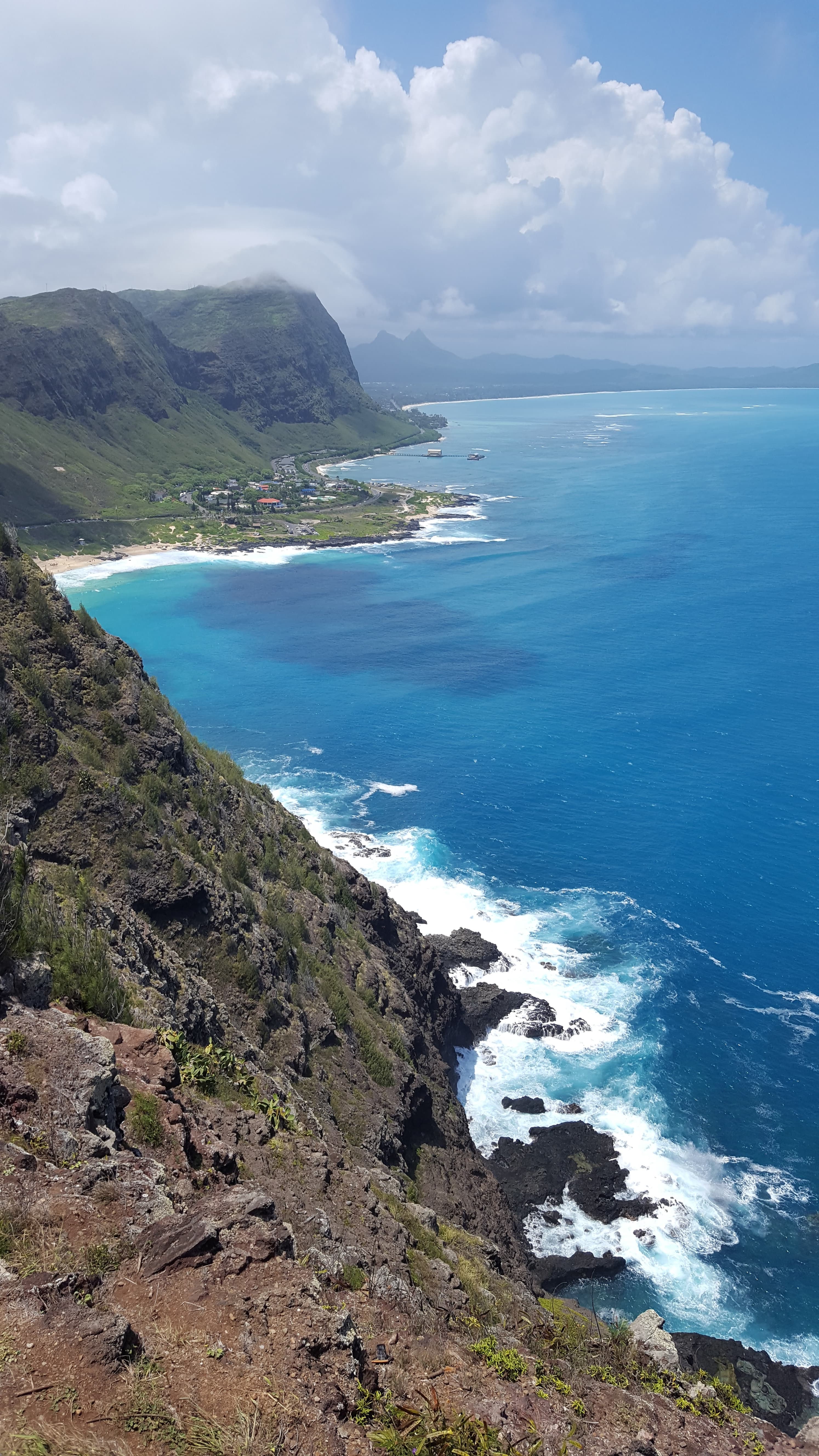
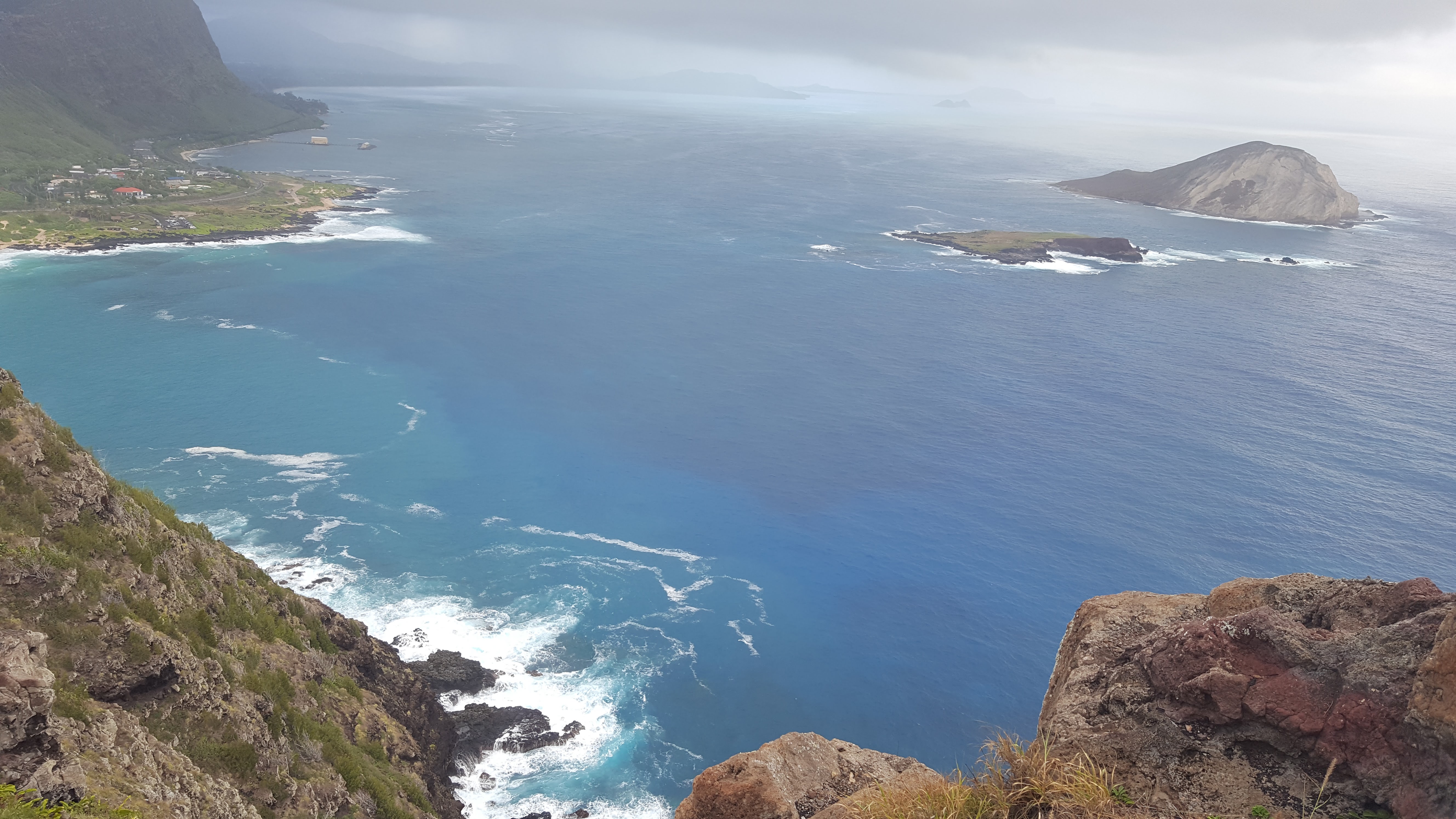
The Nu'uanu Pali lookout on the east side of the Ko'olau Range gives you the wind-blasted ridgeline view over the windward coast — the mountains dropping sheer to the flat coastal plain and the Pacific beyond. The trade winds are often strong enough at the top to be almost physically destabilising. The view is worth every bit of it.
The North Shore in September is between seasons — past the summer quiet, before the winter swells that make Sunset Beach and Pipeline famous. The towns are small and the food trucks are excellent and the pace is completely different from Honolulu. Haleiwa has good shave ice and a general store that feels like it hasn't changed in decades. This is the O'ahu that the locals go to on weekends, and it rewards the drive entirely.
O'ahu