New York: The Density Argument
Eight million stories in one island — the world's most electric city and the one that keeps demanding you return
I've been to New York many times. The first time was 2016, and I've been back regularly since. Each visit starts from a different base — Midtown once, the Lower East Side, Brooklyn, the financial district — and each one is a different city in the way that London or Istanbul also present different faces depending on where you enter.
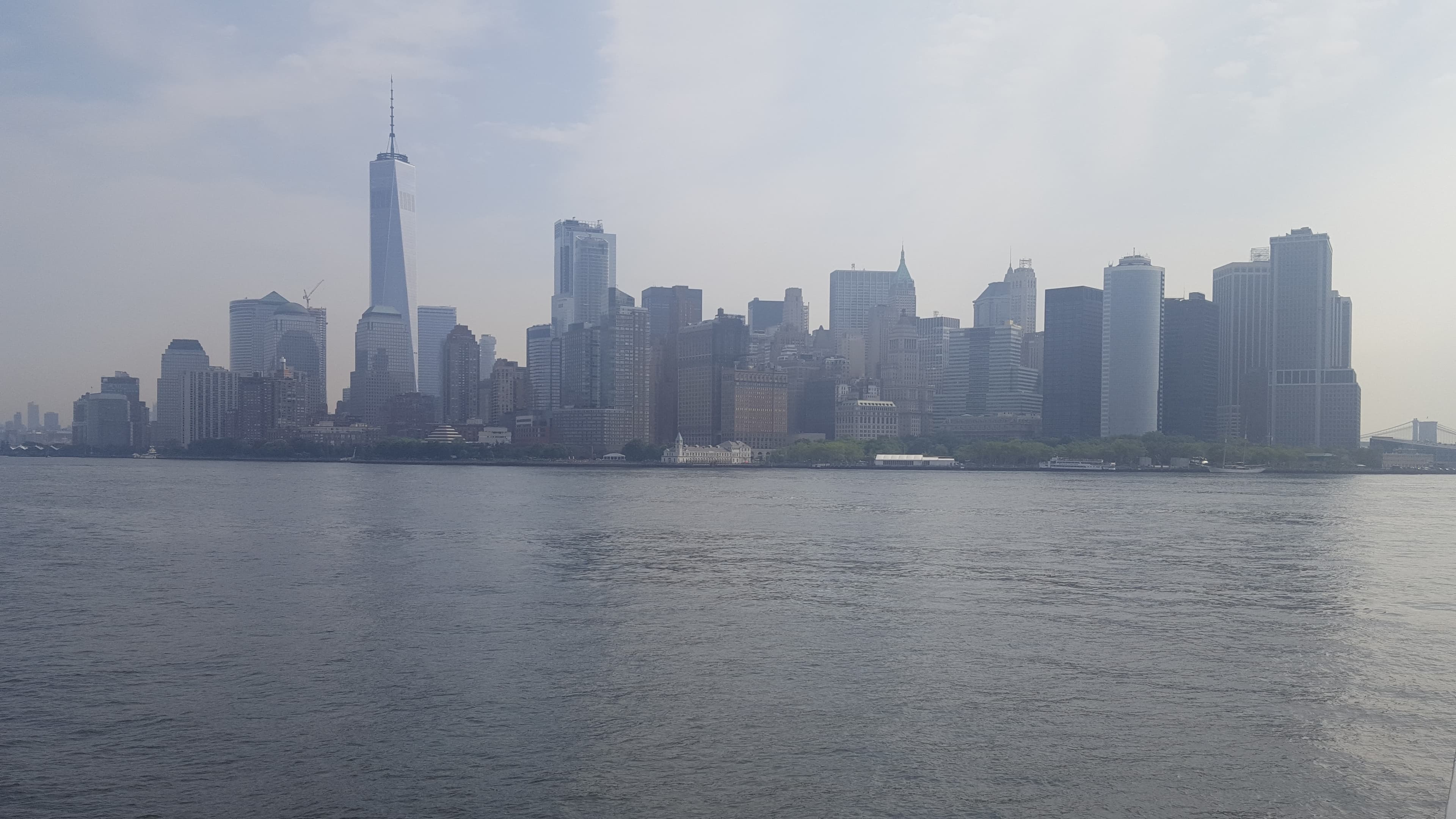
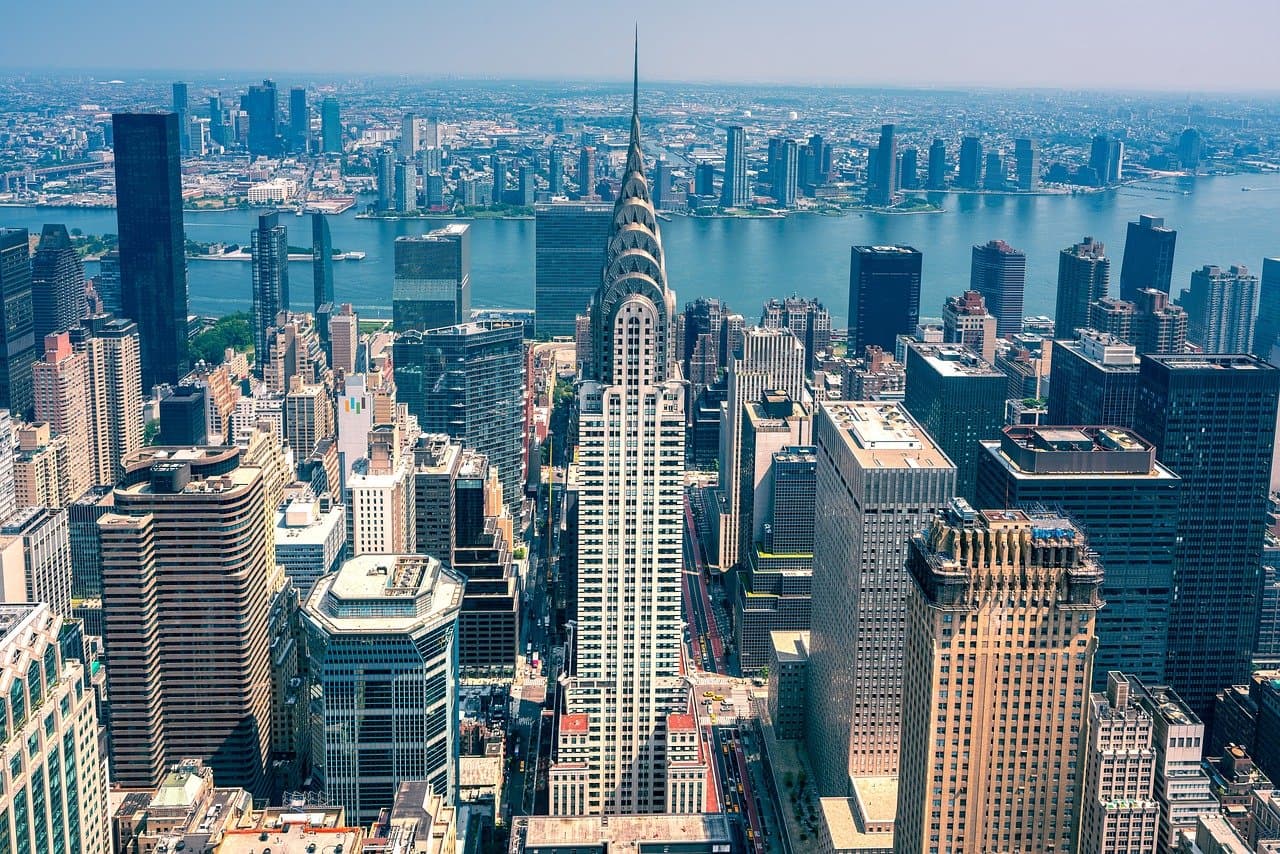
New York's density is the thing that photo and film can't quite convey. The sidewalks are full. The subway cars are full. The restaurants are full. The museums have queues that would defeat the ambitions of a smaller city. The energy level is consistent and exhausting and also genuinely invigorating in a way you can only appreciate by contrast — leaving New York always feels like turning down a volume knob you'd forgotten was set to maximum.
The Neighbourhoods
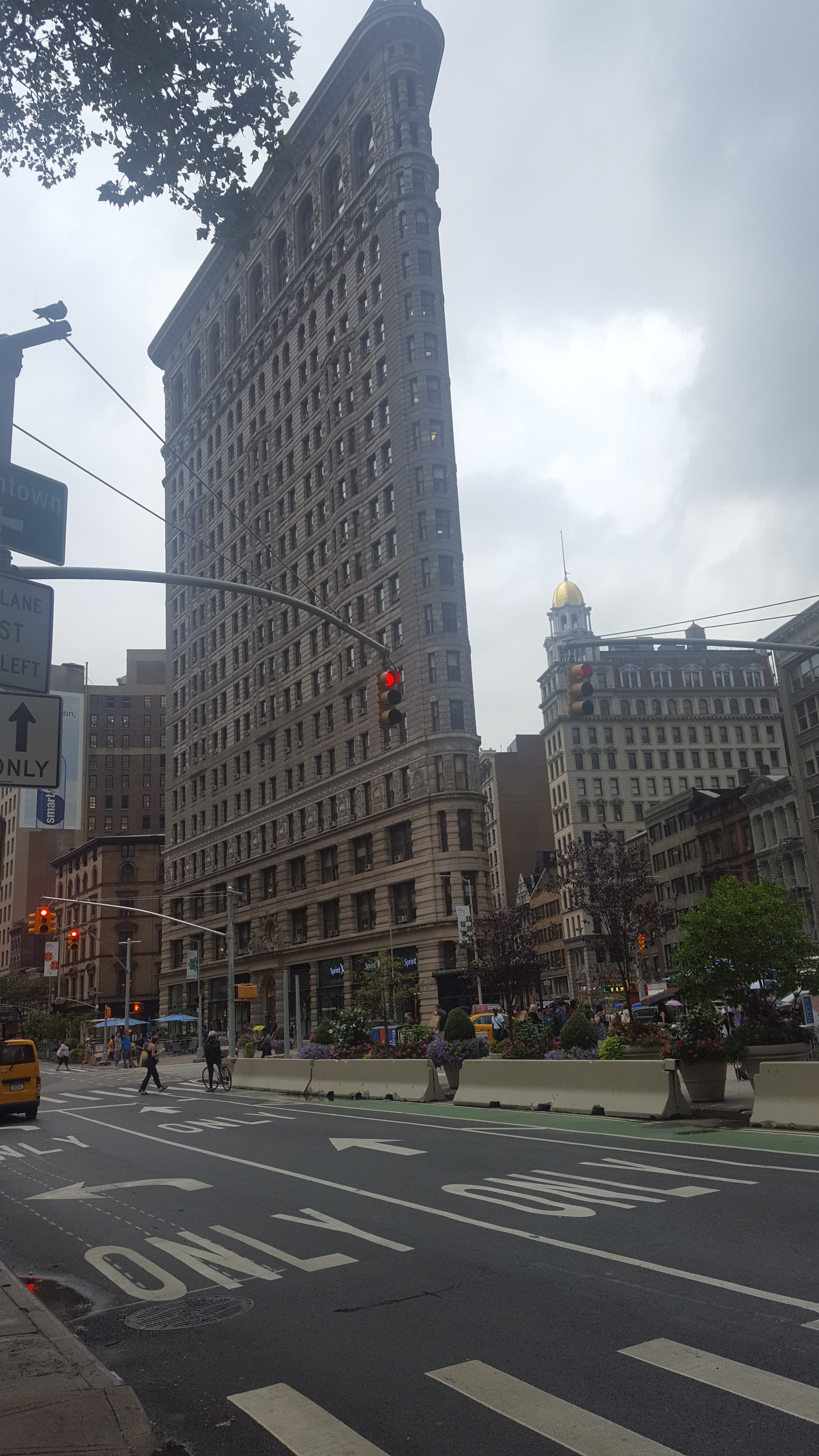
Manhattan has a north-south orientation so legible that you can navigate most of it by cross-street number alone, but the neighbourhoods resist that grid. The West Village's crooked lanes (they predate the 1811 grid plan). The Lower East Side's Jewish and immigrant history compressed into a few blocks around Orchard Street. Chinatown at dim sum hour. The Meatpacking District's wholesale meat culture largely replaced by fashion and nightlife. Each neighbourhood has a specific texture that the grid can't fully predict.
The Parks and the Water
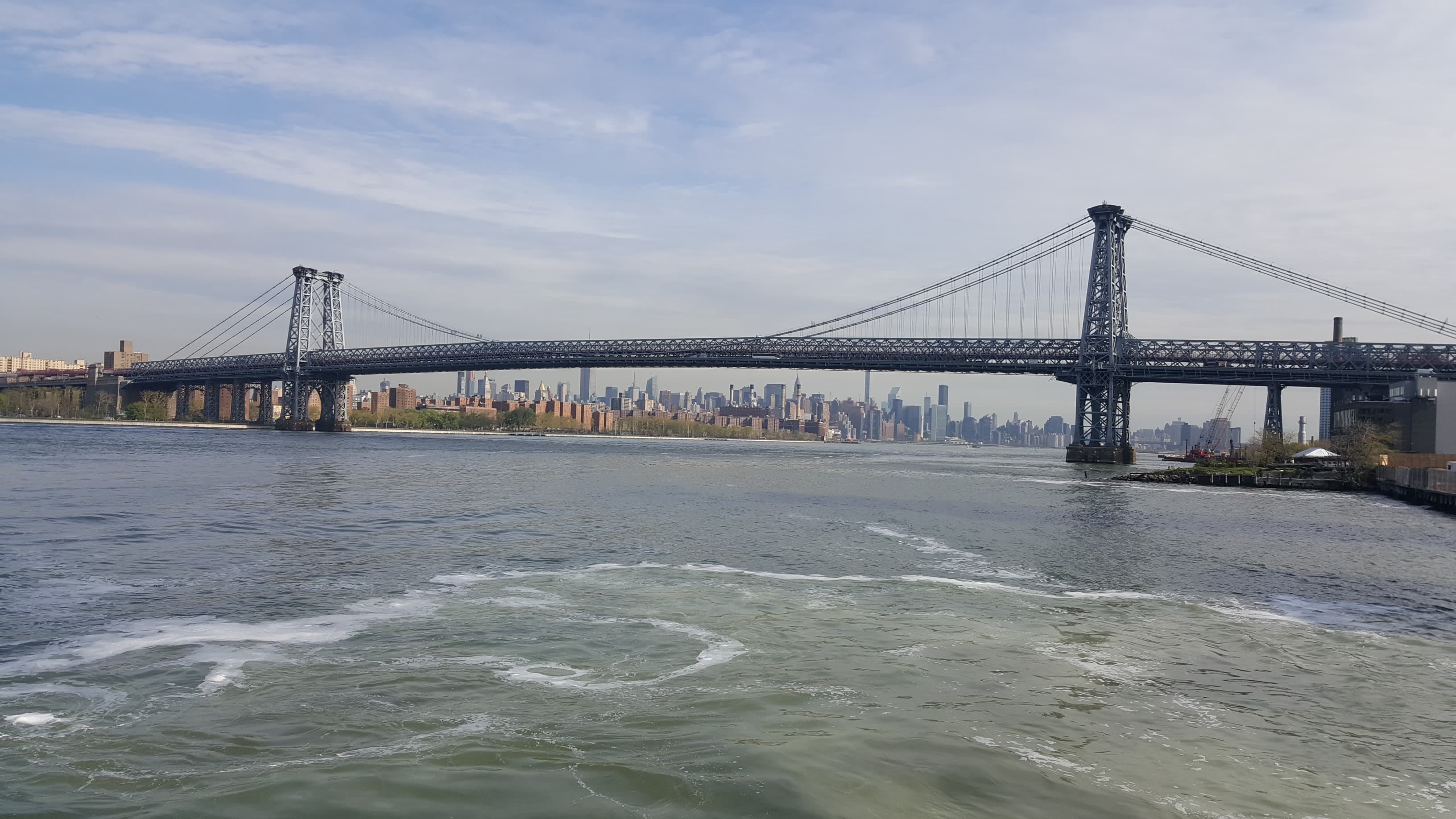
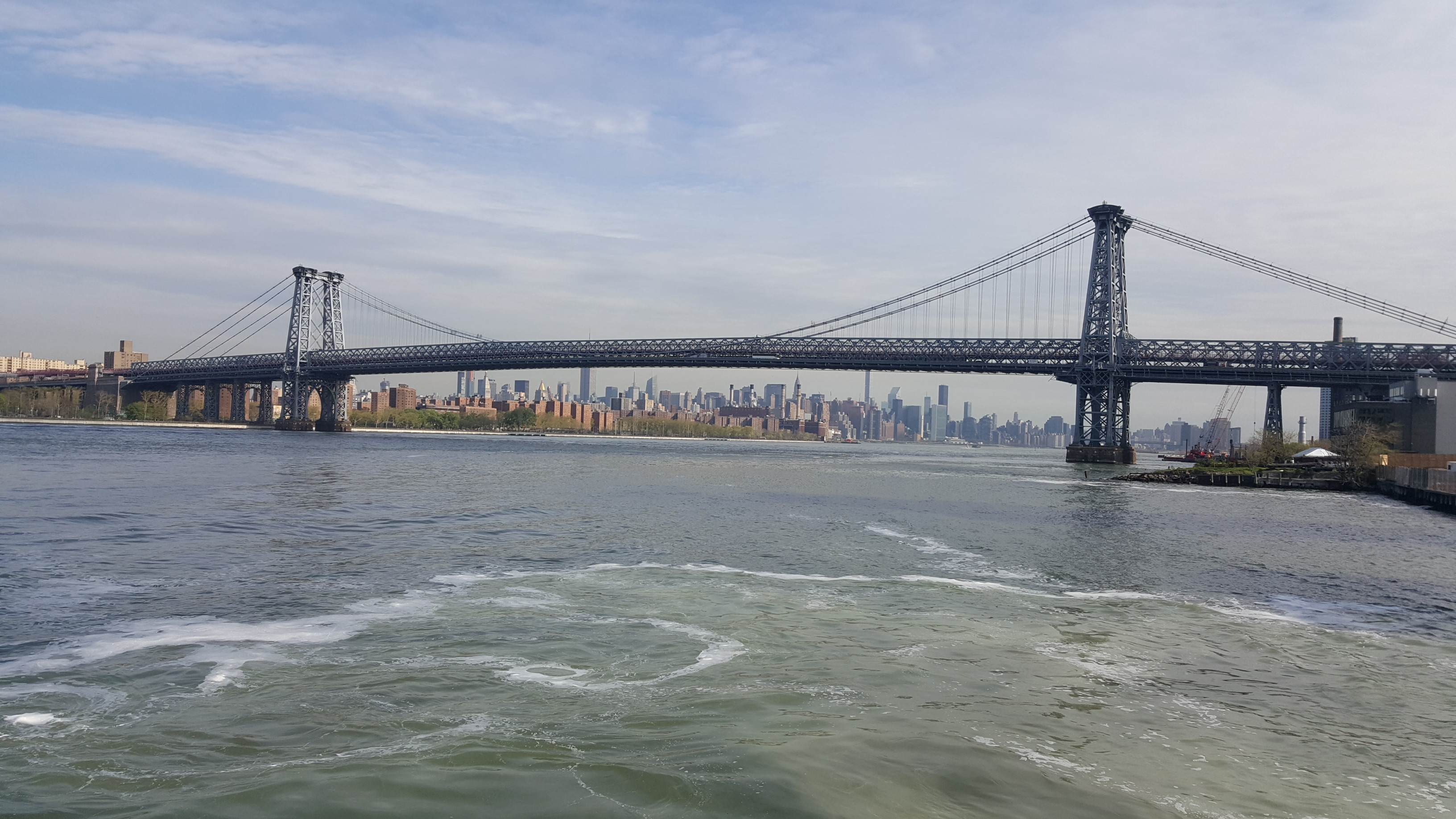
Central Park is the obvious great green space, and it earns its reputation — 843 acres in the middle of Manhattan, the Olmsted and Vaux design still holding up after 160 years. But the High Line — the elevated freight railway converted to a public garden on the West Side — is the more surprising achievement: a linear park above the street that completely reordered the neighbourhood below it. And the Brooklyn Bridge walk, with the Manhattan and Brooklyn skylines on either side, is one of the great urban experiences in any city in the world.
The Food and the Hours
New York is the best restaurant city in America by some distance, and it is also the city that is most indifferent to when you want to eat — something good is available at two in the morning, at noon, at six on a Sunday. The range from dollar pizza slices to the most technically demanding tasting menus in the country exists within a few blocks in most neighbourhoods. Eating well in New York requires only initiative.
New York