Montréal: The French City That Isn't France
French joie de vivre in North America — festivals, bagels, jazz, poutine, and a city that has made its own version of everything
I was in Montréal in May 2025, which turned out to be excellent timing — the Piknic Électronik outdoor music festival was starting, the terrasses (outdoor café terraces) were opening for the season, and the city was visibly exhaling after another Quebec winter. Montréal winters are serious. The city responds by building underground — the RESO, a 33-kilometre network of underground pedestrian passages connecting metro stations, shopping centres, and office buildings — but summer is when Montréal becomes entirely itself.
The French character of the city is immediate and not negotiable. French is the working language of the city; English is spoken widely but not assumed. The signs are French, the radio is French, the menus are French with translation available. The cultural production — theatre, music, literature, cinema — is French-language first. This is not the aggressive cultural defence it sometimes gets described as; it is simply a city that has maintained its linguistic identity through three centuries of surrounding anglophone pressure and is not apologetic about it.
The Food Culture
Montréal's food culture is its most accessible argument. The bagels — Fairmount Bagel, St-Viateur Bagel — are baked in wood-fired ovens and come out denser, sweeter, and smaller than New York bagels. Both bakeries are open 24 hours. Both have queues. Both are correct. Poutine (fries, cheese curds, brown gravy) exists in versions ranging from a $5 street counter order to a $40 gourmet restaurant treatment, and both ends of the spectrum have their own logic. The Plateau-Mont-Royal neighbourhood has the highest density of good restaurants per block in the country.
The Architecture and the Mountain
The Victorian rowhouses of the Plateau and Mile-Ex — with their distinctive exterior spiral staircases (a fire-code workaround that became an architectural tradition) — are some of the most photographed residential streetscapes in North America. The colours are unapologetic: burgundy, teal, ochre, grey stone, painted brick. Mont-Royal itself — the small mountain (232 metres) in the middle of the city, designed by Frederick Law Olmsted in 1876 — gives you the view over the city and the St Lawrence River that makes the whole geography legible. The cross at the summit lights up at night and is visible from most of the island.
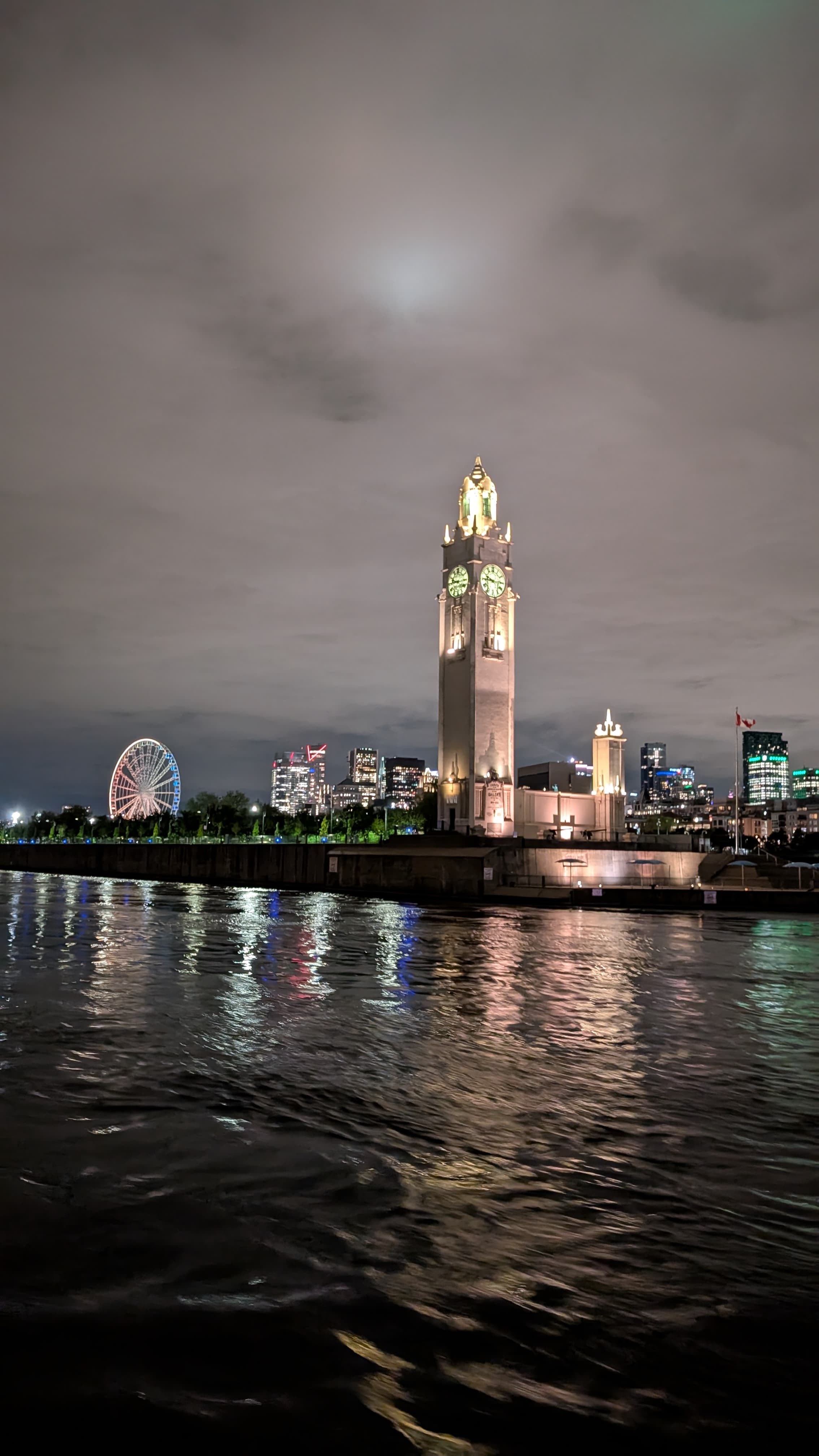
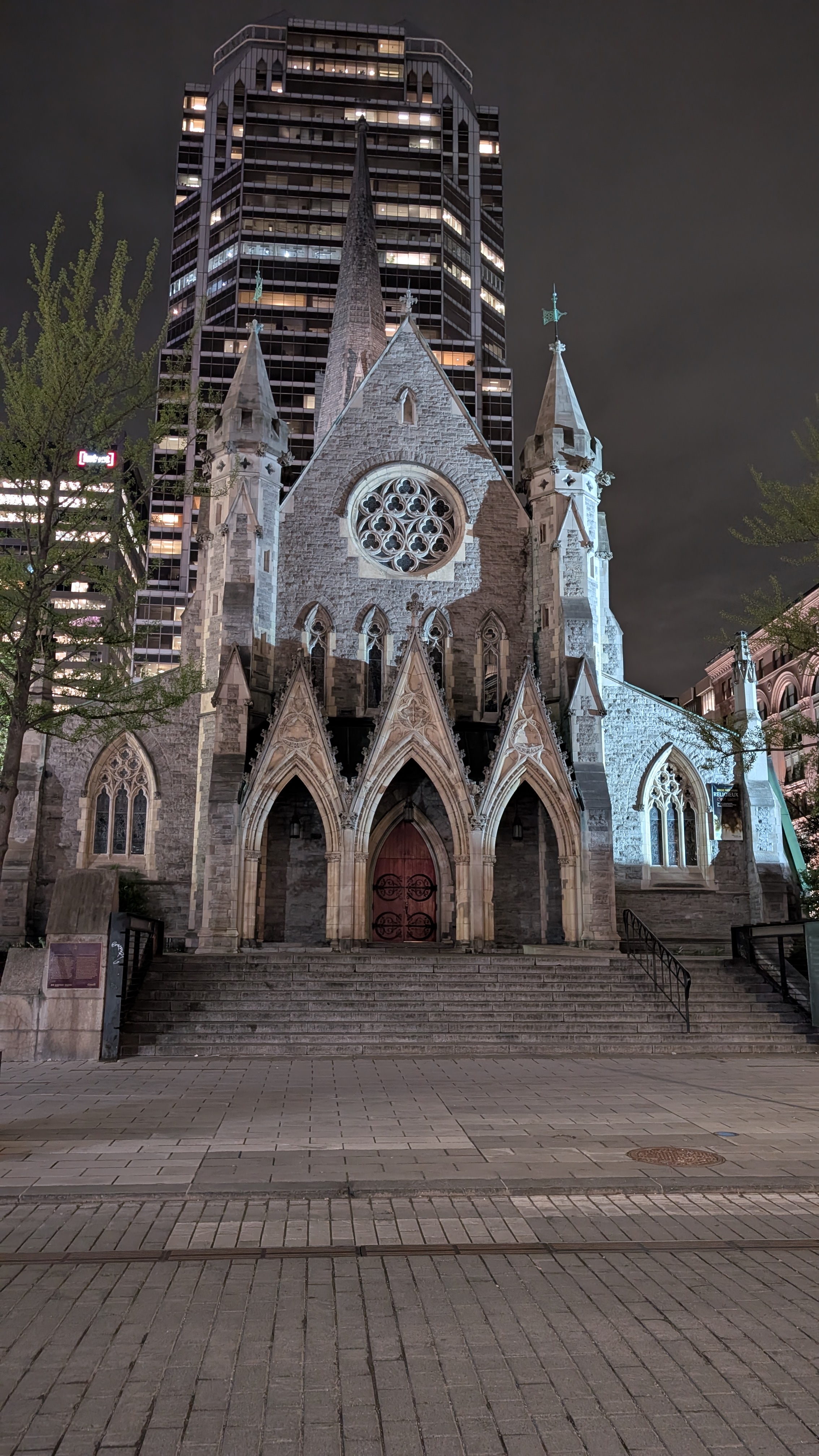
Old Montréal (Vieux-Montréal) is the seventeenth and eighteenth century city on the river: narrow cobblestone streets, the Basilique Notre-Dame, Place d'Armes, the Old Port with its seasonal activity. It is genuinely beautiful and genuinely packed in summer, which is the right problem to have.
Montréal