Milan Past the Duomo
Fashion industry infrastructure, Leonardo's Last Supper, and a canal district that nobody told you about
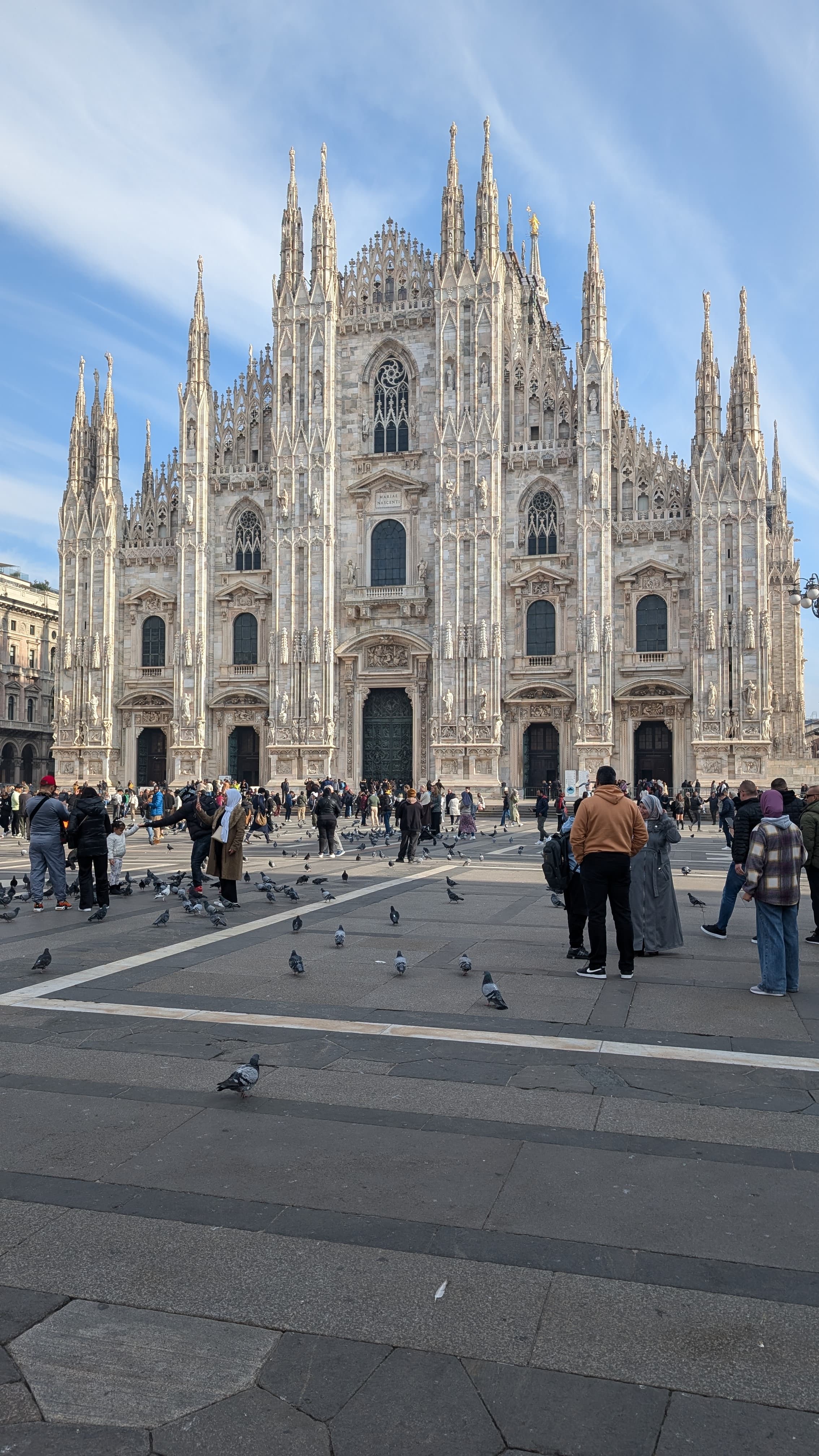
The Duomo di Milano is the first thing everyone sees and it is genuinely extraordinary — the largest Gothic cathedral in Italy, 135 spires, 3,400 statues on the exterior, the white marble facade that took nearly six centuries to complete. You go up to the roof terraces and walk among the spires and look out over the city and it is one of the better things you can do in Milan. But it is also exactly what everyone does and it takes about half a day. The rest of Milan — the parts that make it a real city rather than a landmark — require different navigation.
I was there for four days, arriving on a Sunday when most of the fashion industry was closed and the city was quieter and more residential in character. Sunday morning in Milan, walking the canals of Navigli — the historic canal district in the south-west — is the version of the city that most visitors never find.
Navigli
Milan was once a city of canals, built to connect the city to the Po River system and the marble quarries of the Alps. Most were filled in during the twentieth century. The Naviglio Grande and Naviglio Pavese remain, running through the Navigli neighbourhood — a working-class district that became the city's bar and restaurant zone in the 1980s and has never quite stopped. The canal banks are lined with aperitivo bars, osterie, vintage shops, and on the last Sunday of each month, a large antique market that takes over the towpaths.
At six in the evening on a weekday, the aperitivo culture here is in full effect: every bar puts out food — olives, small sandwiches, focaccia, bruschetta — included with the price of a drink. This is not a promotional gimmick. It is the actual operating system of Milanese evening life, and it explains why locals eat dinner at nine or later: the aperitivo holds you over. Order a Campari Soda and eat everything that's available and you will be fine until midnight.
The Last Supper
Leonardo's Last Supper is in the refectory of Santa Maria delle Grazie, a fifteen-minute tram ride from the centre. Viewing requires advance booking — often weeks in advance during peak season — and the visit itself is carefully controlled: fifteen people, fifteen minutes, in a climate-controlled room. The painting is large and faded and damaged and has been restored multiple times and is still one of the most remarkable things I have ever stood in front of. The perspective geometry — the room in the painting continues the actual room's proportions, so Christ appears to sit in the same space as the viewer — is visible even in the condition the painting is now in. Book ahead. Go.
The Fashion Quarter
The Quadrilatero della Moda — the grid of streets around Via Montenapoleone — is where the fashion houses have their flagship stores, and even if you have no intention of buying anything, the architecture and window design are worth a walk. The buildings are largely eighteenth and nineteenth century, the displays are designed by people for whom display is a serious art, and the concentration of quietly expensive things in a small area gives the streets a particular atmosphere: hushed, purposeful, slightly airless. It is very Milan.
The neighbourhood has good coffee. The bars around Montenapoleone serve espresso that stands as well as anywhere in Italy, and the pastries — cornetti with different fillings, depending on the time of day — are better than the tourist-adjacent versions near the Duomo.