Las Vegas: The Desert Fever Dream
The Strip at midnight, neon canyons, and a city that operates entirely on the premise that normal rules don't apply
I've been to Las Vegas more times than I expected to — four or five times over the years, never for very long, always for different reasons. A friend's birthday, a conference stopover, a road trip that went through Nevada. Each time I've arrived with moderate enthusiasm and left with a slightly confused admiration for the sheer commitment of the place.
Las Vegas is the most successful artificial city in the world. That statement requires some unpacking: it was built in the desert with no natural resources to recommend it, purely as a vehicle for gambling, entertainment, and hospitality, and it has become one of the most visited cities on earth. The logic is circular and entirely consistent. The city exists because people come. People come because the city exists. It works.
The Strip
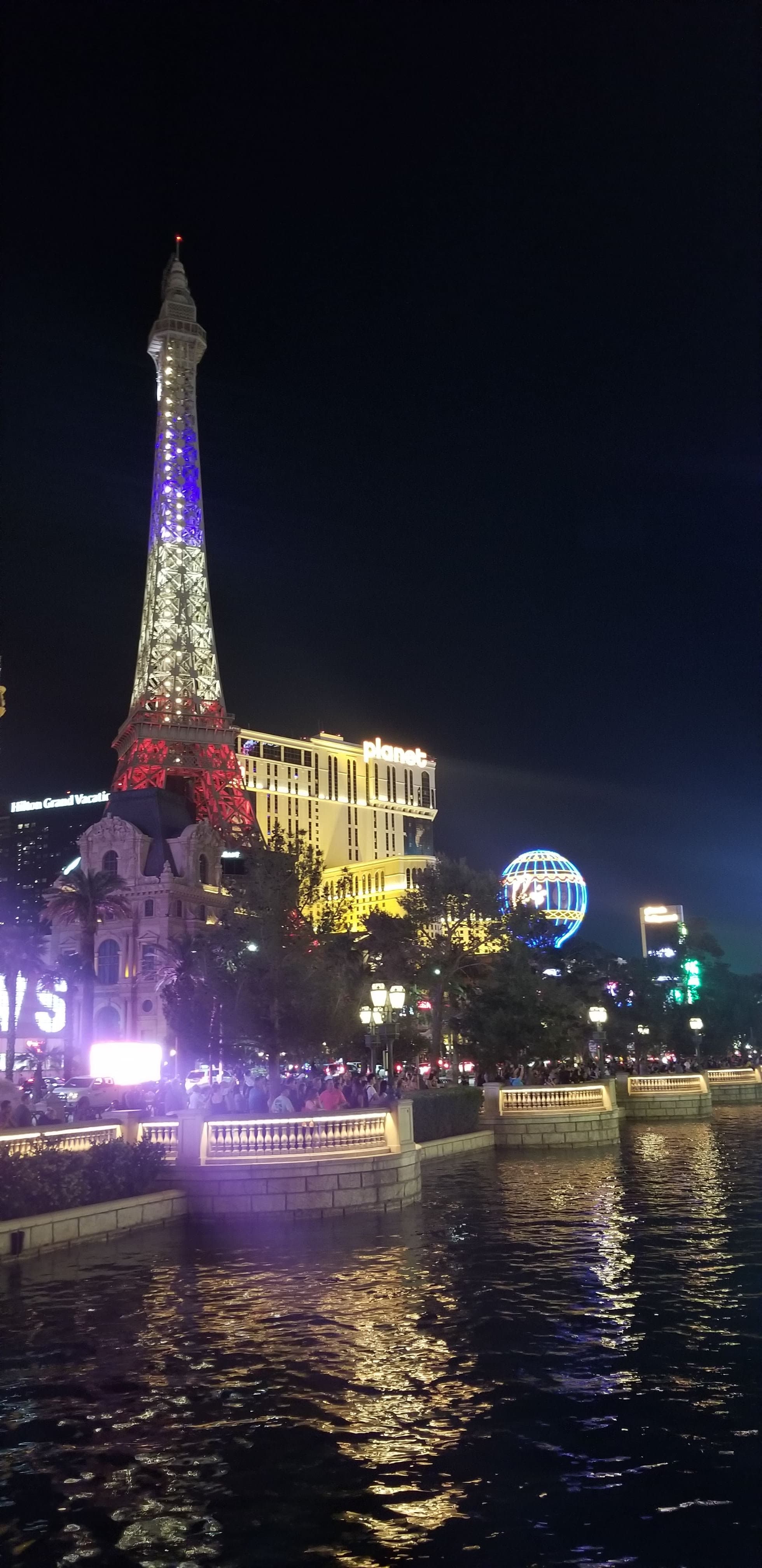
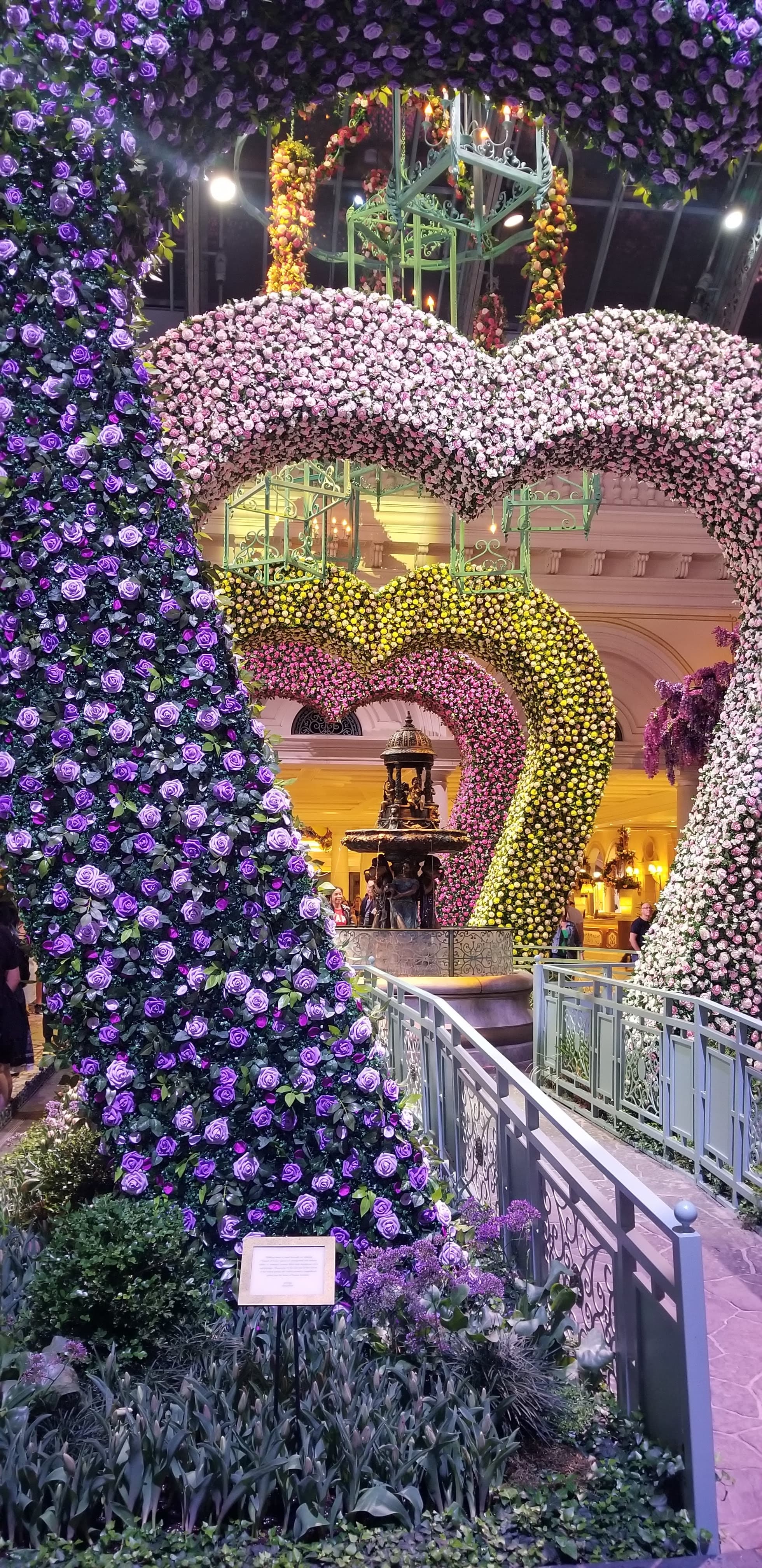
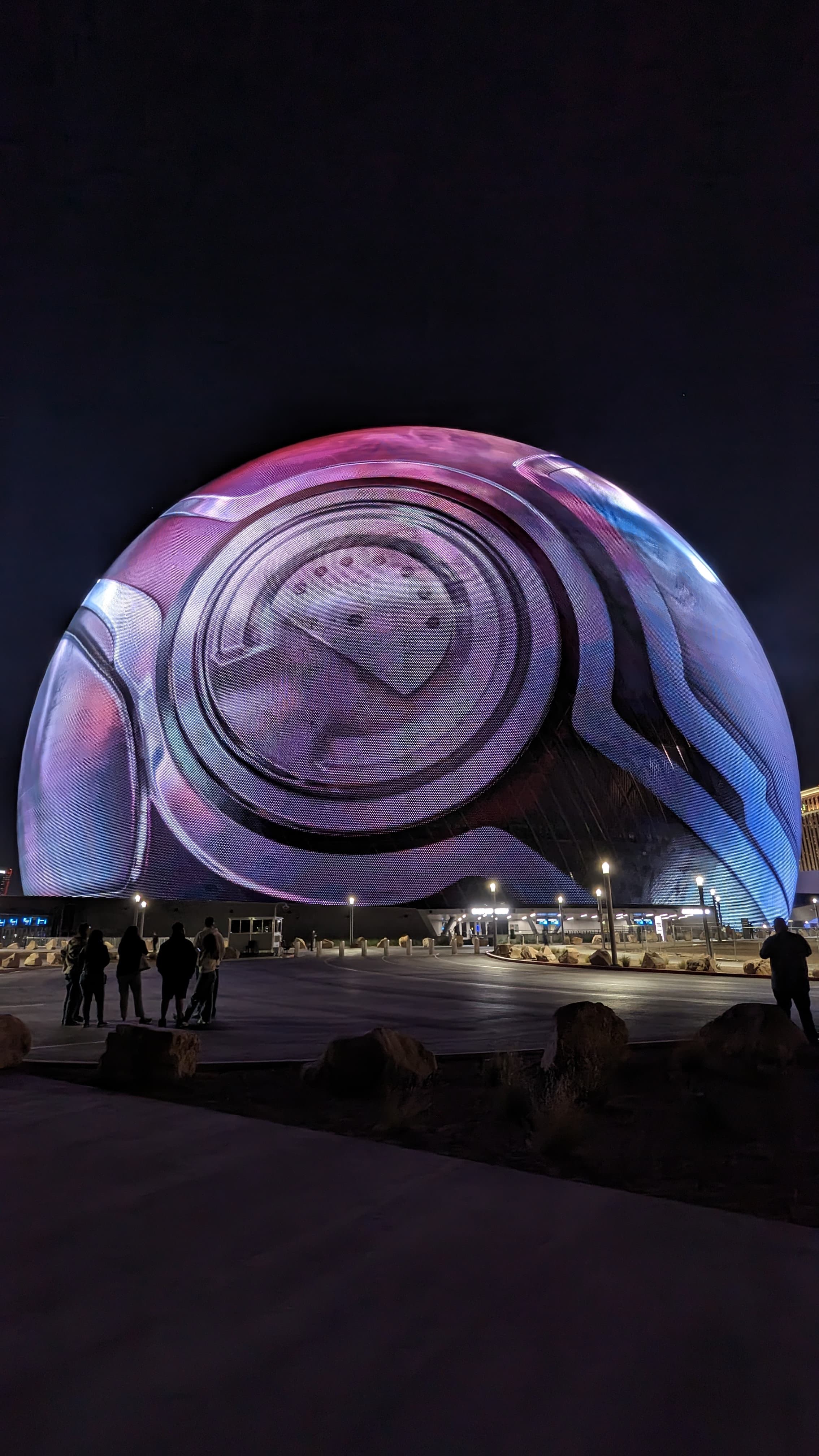
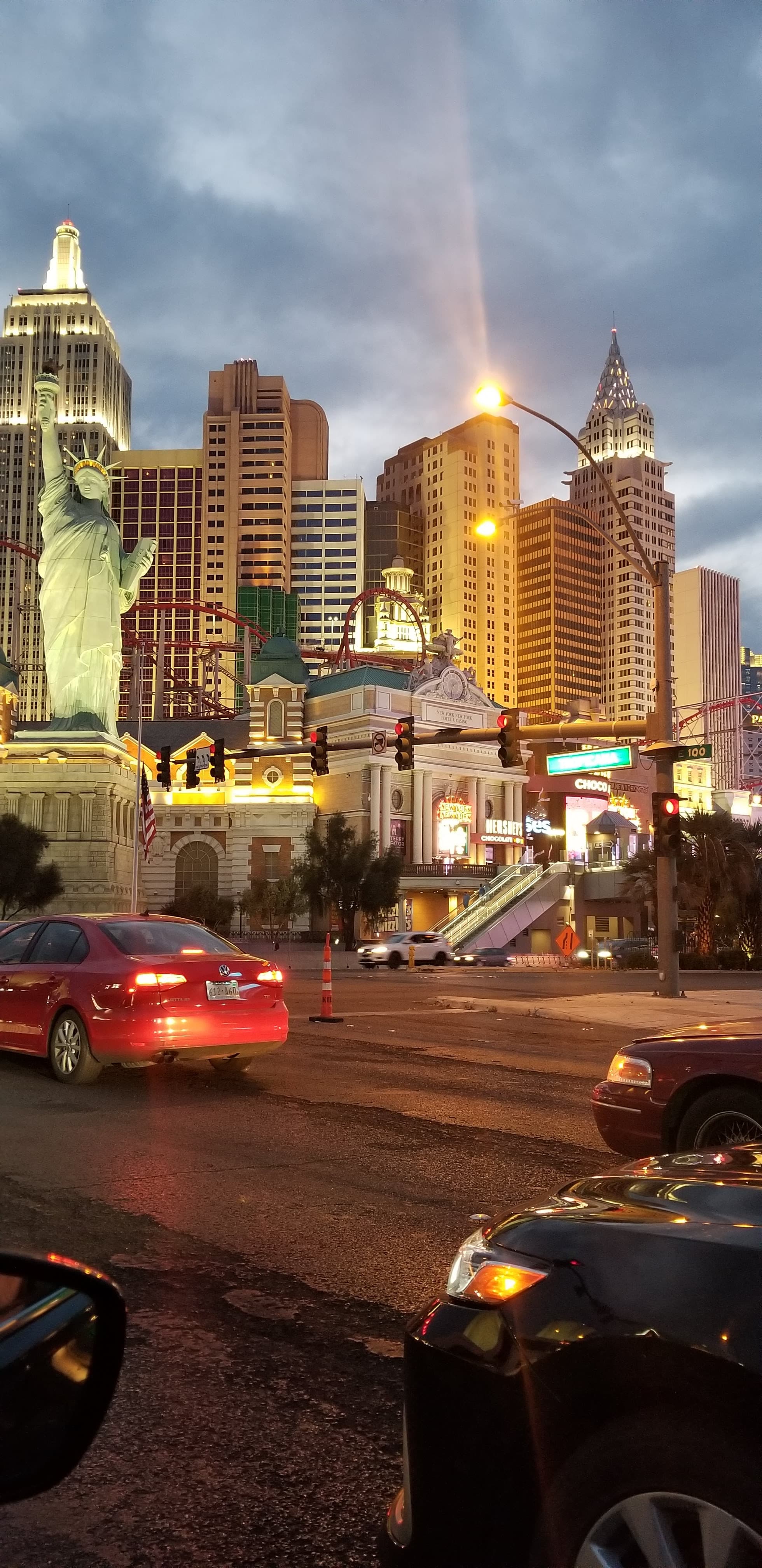
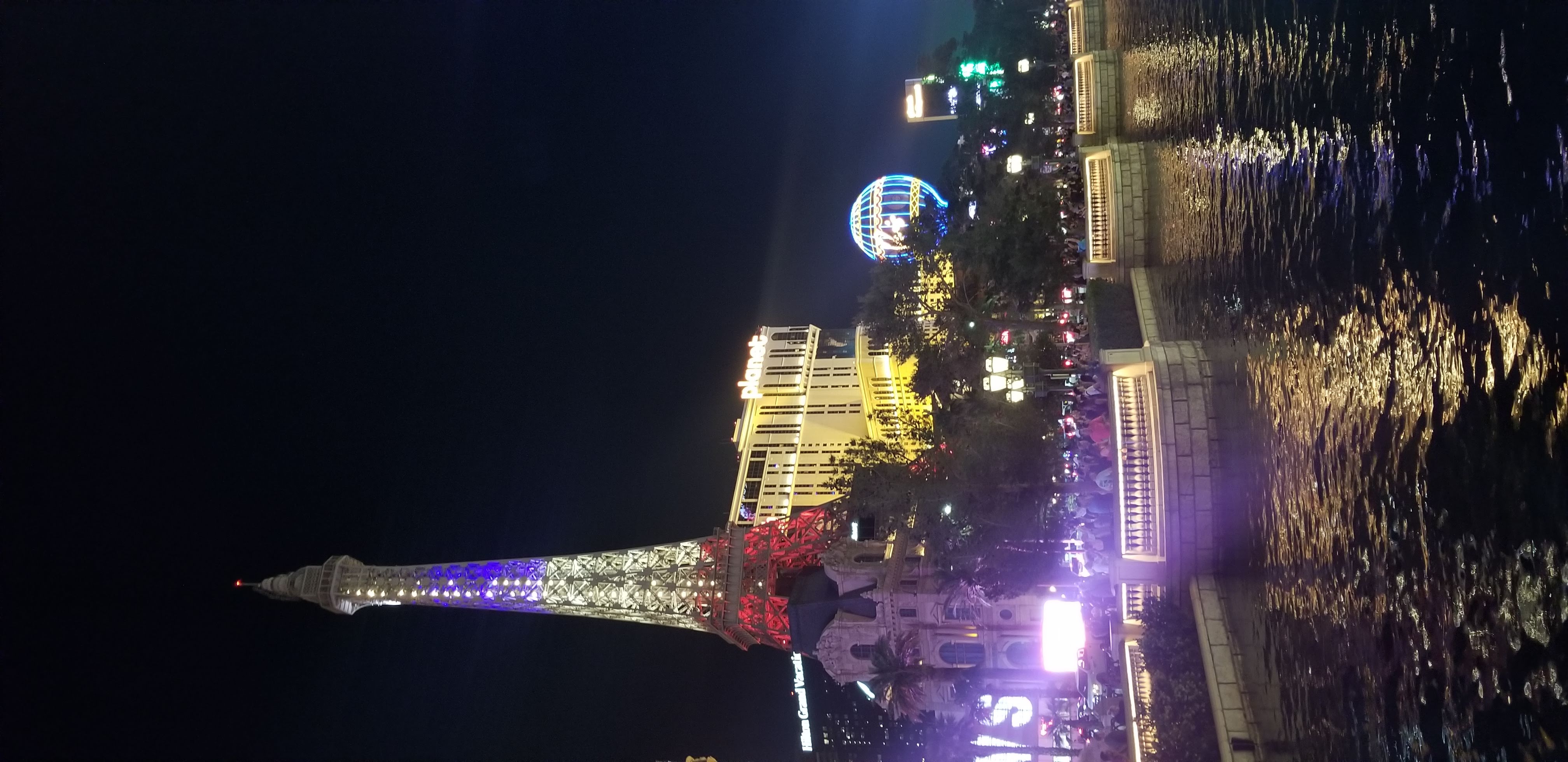
The Las Vegas Strip is 4.2 miles of resort hotels on Las Vegas Boulevard South. Each hotel is a themed environment — Venice, Paris, Egypt, New York — executed at a scale that makes the theme immersive rather than tacky. The Bellagio fountains are genuinely beautiful. The Venetian's Grand Canal is genuinely improbable. The Sphere, which opened in 2023 — a massive LED-covered sphere playing advertisements and concerts — is genuinely something that has never existed before. Walking the Strip at midnight, the neon and the crowds and the fountains and the desert air all together, is one of the stranger and more memorable urban experiences available.
Beyond the Strip
Fremont Street — the original Las Vegas downtown, predating the Strip — is a pedestrian mall under a 1,500-foot LED canopy that plays light shows hourly. The Neon Museum has the actual vintage signs from closed casinos, restored and displayed in an outdoor lot — a genuinely moving collection of mid-century Americana. The Springs Preserve has exhibits on the city's water situation (it depends entirely on Colorado River allocation that is under severe pressure from climate change and overuse) that provide useful context for what you've been drinking in the casino.
The Desert Around
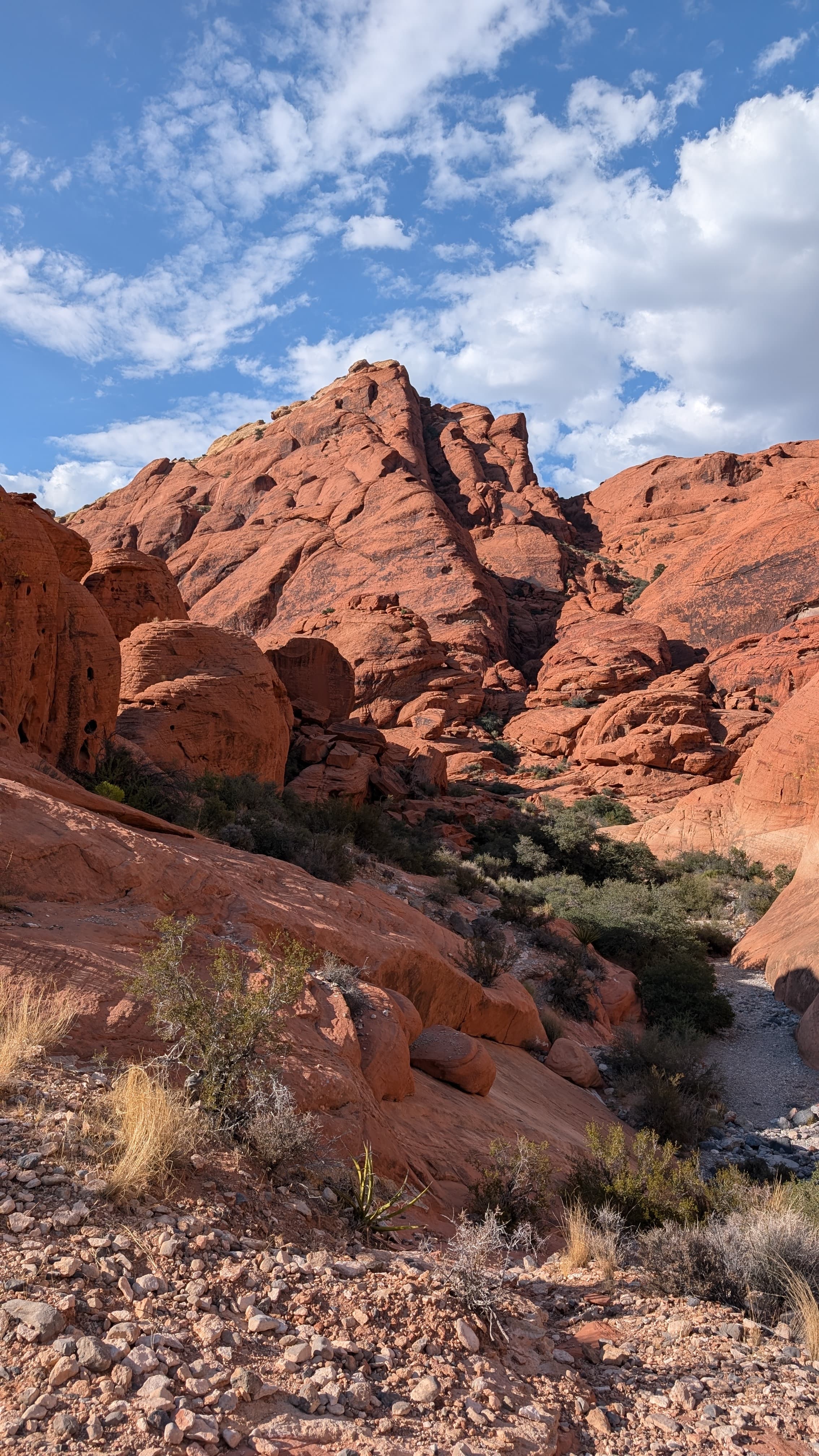
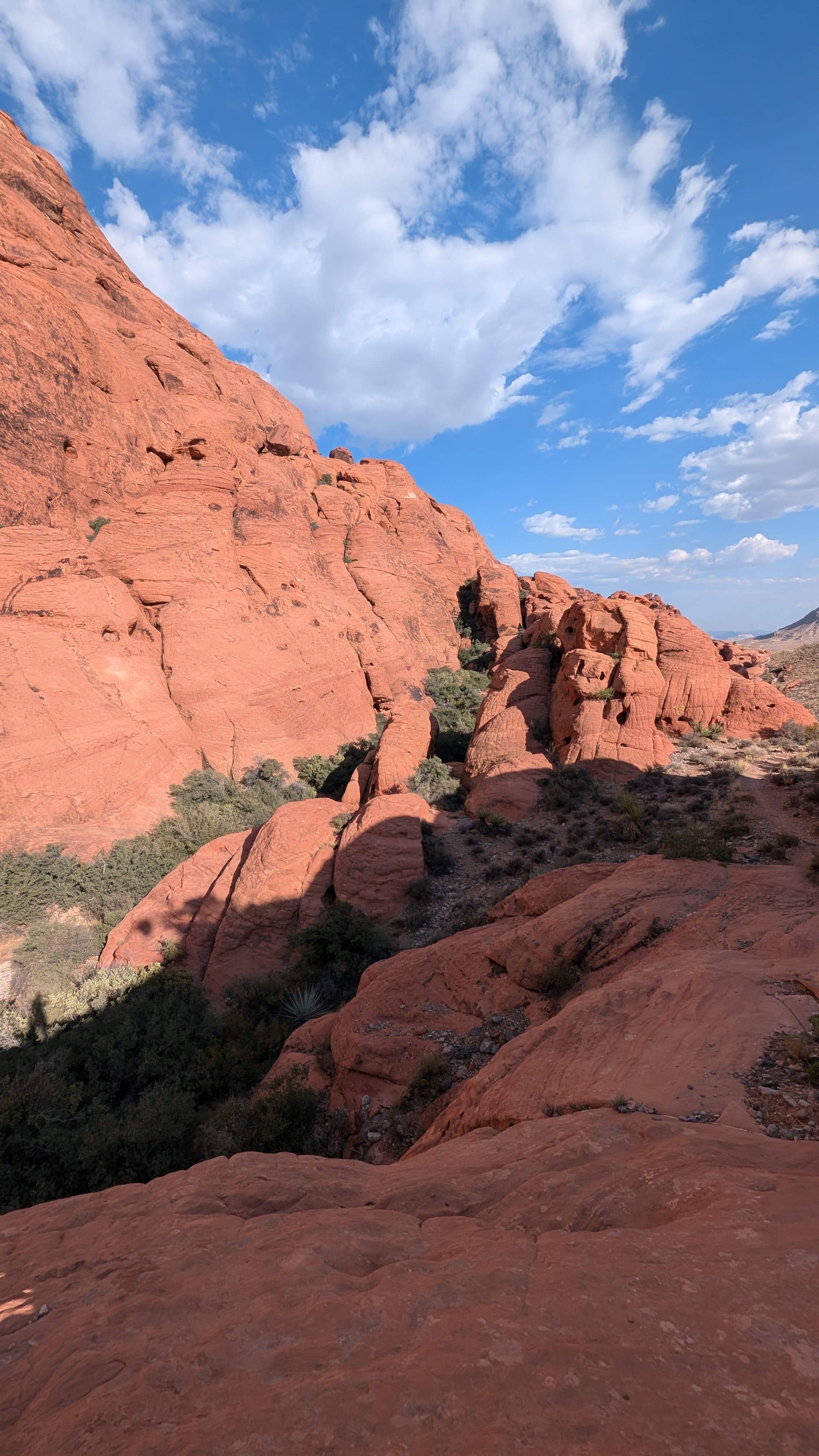
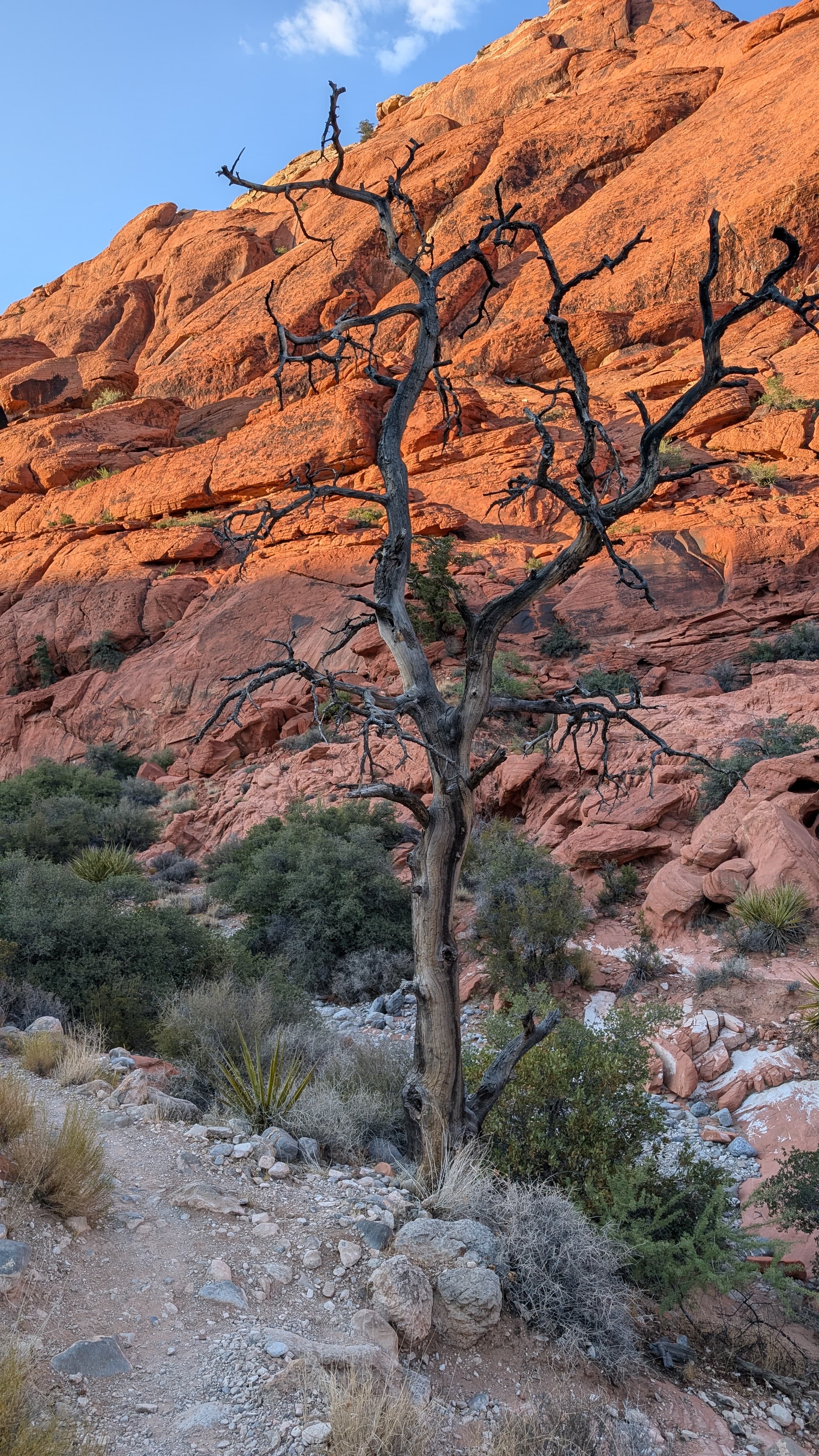
Red Rock Canyon is twenty miles west of the Strip and takes about forty minutes to reach. The contrast is absolute: you drive past the casino sprawl and then you're in a red sandstone canyon system with hiking trails and thousand-foot walls and complete silence. It is the correct counterpoint to the Strip, and it is what Las Vegas looks like when you subtract the intervention.
Las Vegas