Kastamonu: Ottoman Wood and Mountain Quiet
The best-preserved Ottoman town in Turkey, a Byzantine citadel, and an unhurried pace that takes some readjusting to
Kastamonu doesn't get many foreign visitors, which is partly why it is so good. The old city centre has been preserved not as a museum but as a place where people still live — the timber-frame mansions are occupied, the streets are used, the market is functional. The preservation is a consequence of relative poverty and geographic isolation rather than deliberate heritage policy, which means it feels authentic in a way that aggressively preserved historic towns sometimes don't.
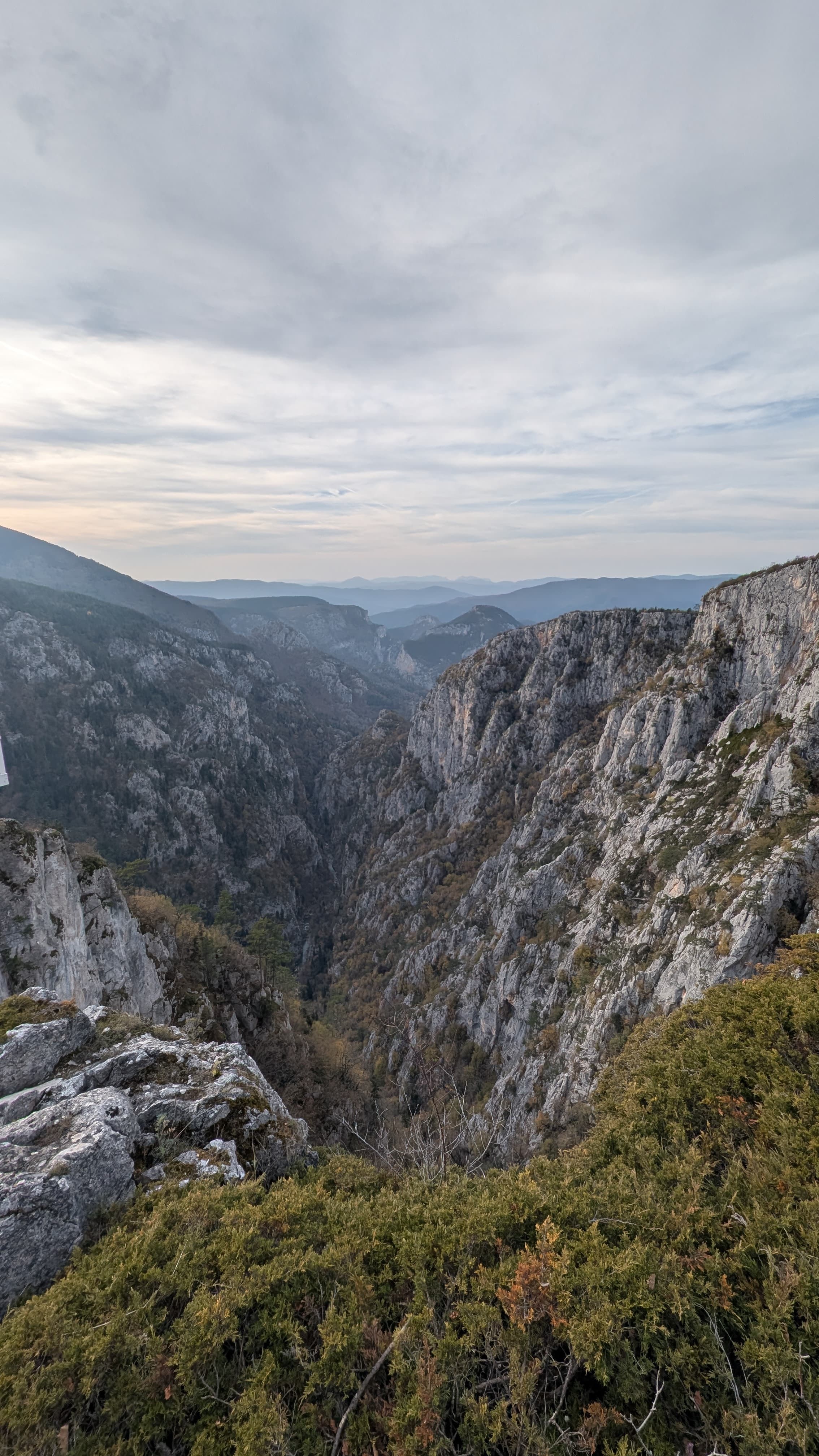
The approach from any direction gives you the defining view: the Byzantine citadel on the hill above the city, the old town spreading below it, the mountains visible in every direction. The city sits in a valley of the Gök River, surrounded by forested ridges, at about 800 metres altitude — cooler in summer than the coast, cold and snowy in winter.
The Timber Mansions
The konaks — the Ottoman timber-frame mansions — are the architecture that makes Kastamonu distinctive. They are large, two or three storeys, built on stone foundations with overhanging upper floors (cumba) that project over the street and were designed to allow women to observe the street without being observed. The timber is painted or left to grey naturally; the joinery is precise and decorative.
The best concentration is in the neighbourhood around the Atabey Mosque, where lanes of konaks survive largely intact. Some are maintained and inhabited; others are in slow decline, the timber greying and warping, which gives them a melancholy beauty that is also part of the experience. The light in these lanes — filtered through overhanging upper floors, bouncing off whitewashed stone — is exceptional for photography.
The Citadel
The citadel above the city dates to Byzantine times and was rebuilt and extended through the Seljuk and Ottoman periods. The climb is steep but short, and the views from the top are the best available: the old city below, the river valley, the forested hills, the mountains. The interior is mostly ruined but the walls are largely intact and you can walk the perimeter.
There is also a small archaeological museum at the base of the citadel hill that contains finds from the region going back to the Bronze Age, including a remarkably well-preserved collection of Roman-era bronze objects. It is quiet and uncrowded and has the slightly dusty quality of provincial Turkish museums that have been accumulating things for a long time without anyone deciding what to do with them. This is a compliment.
Pastırma and Village Food
Kastamonu's most famous product is pastırma — cured beef, pressed and coated in a paste of fenugreek, garlic, and spices, dried in the open air. The Kastamonu version is considered among the best in Turkey. Buy it sliced thin at the market and eat it with bread, or find a lokanta that serves it fried with eggs. The spice paste is pungent in a way that lingers, and the meat underneath is dark and dense and intensely savoury.
Village food — hearty, slow-cooked, based on dried legumes, lamb, and highland vegetables — is available at the small restaurants in and around the bazaar. Eat where the locals eat. The food will be simple and very good.
Ottoman Kastamonu