İzmir: The City That Faces the Sea
Turkiye's most cosmopolitan port city — a breezy waterfront kordon, a covered bazaar that actually functions, and the ancient world at Ephesus an hour away
I've been to İzmir three times now, and each time I understand it slightly better. It's not a city that reveals itself immediately. The first impression — the kordon waterfront, the palm trees, the cafés — is pleasant but generic. You have to spend a bit more time with it to find the specific quality that makes it different from other Turkish cities.
That quality is a kind of ease. İzmir is historically a cosmopolitan port city — Greek, Jewish, Levantine, Armenian, Ottoman, then Turkish — and the layers of that history have produced a culture that is less anxious about itself than most cities in Turkiye. The food is better (Aegean cuisine is lighter and more vegetable-forward than central Anatolian). The wine is better (the Urla wine region nearby produces serious bottles). The sea is always visible from somewhere. People stay out later and argue more freely in the cafés.
The Kordon and Kemeraltı
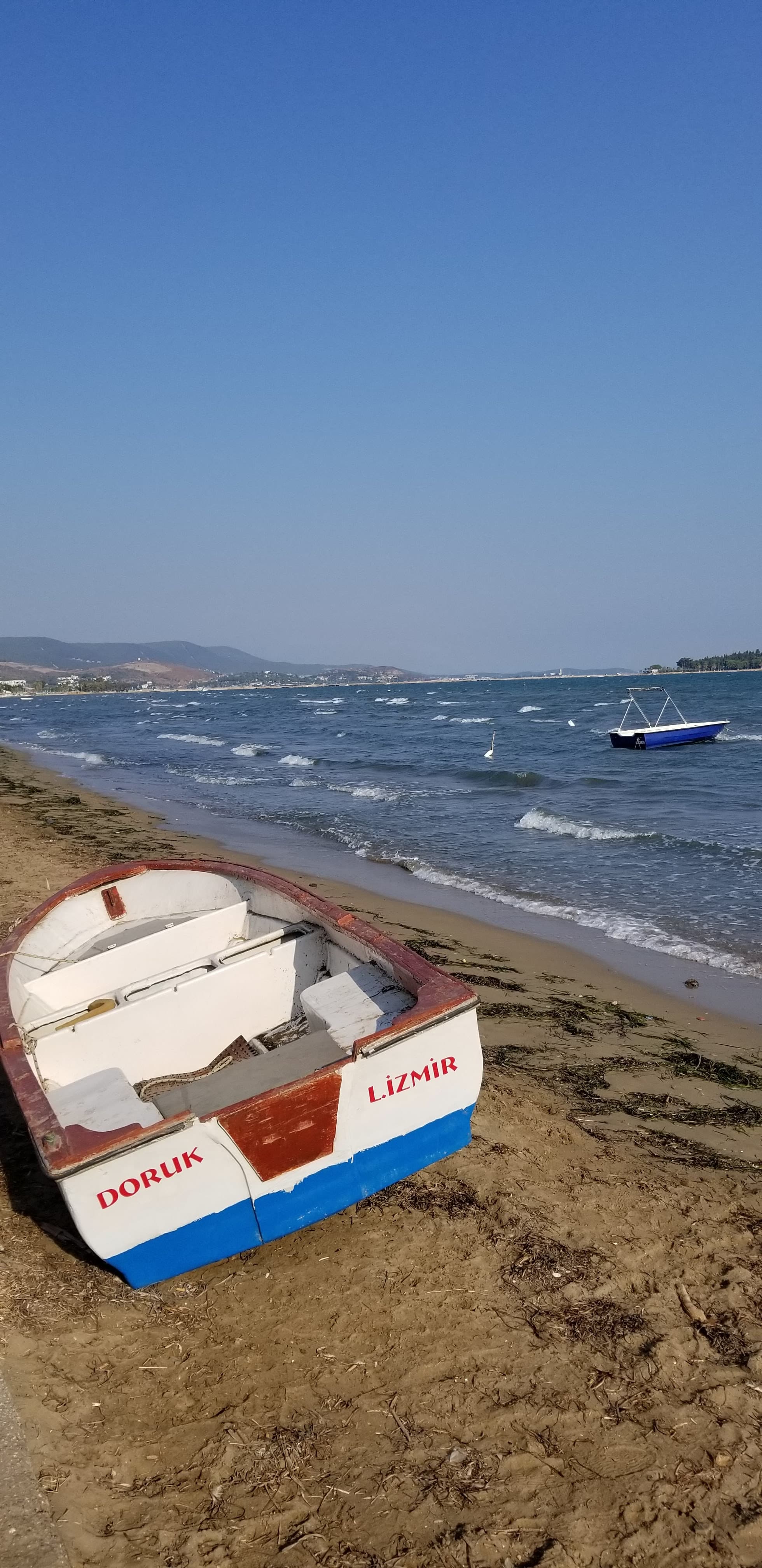
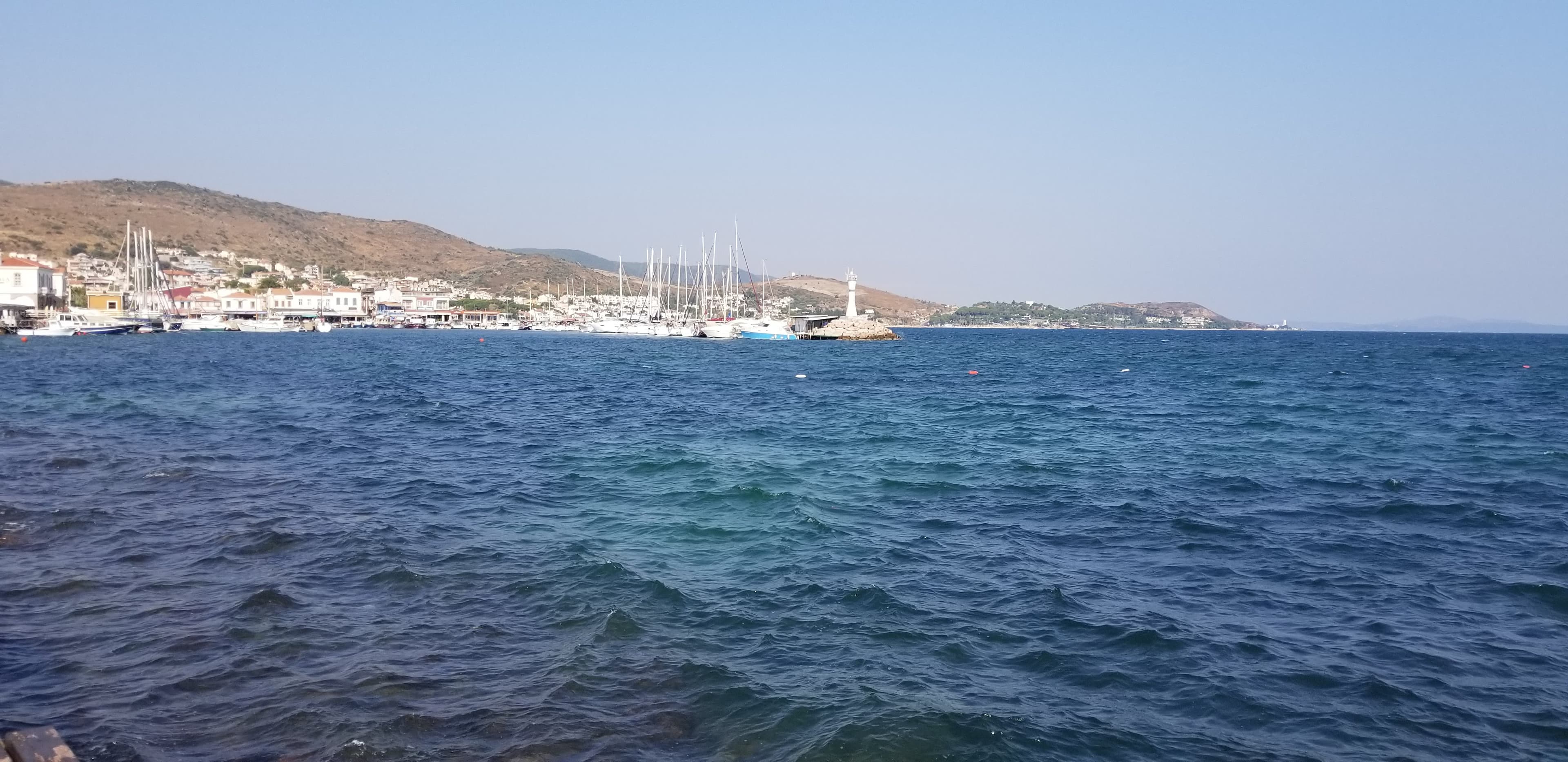
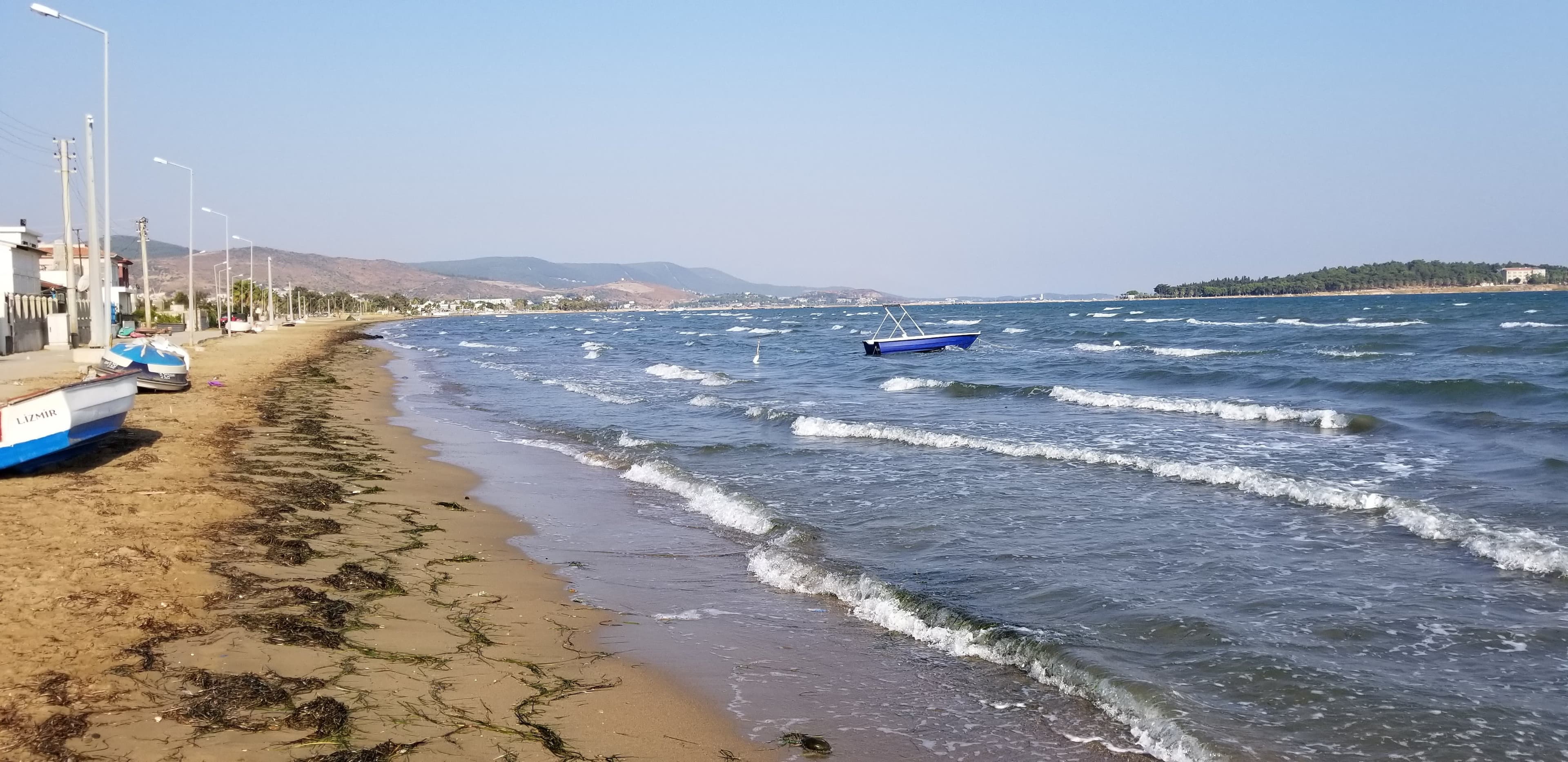
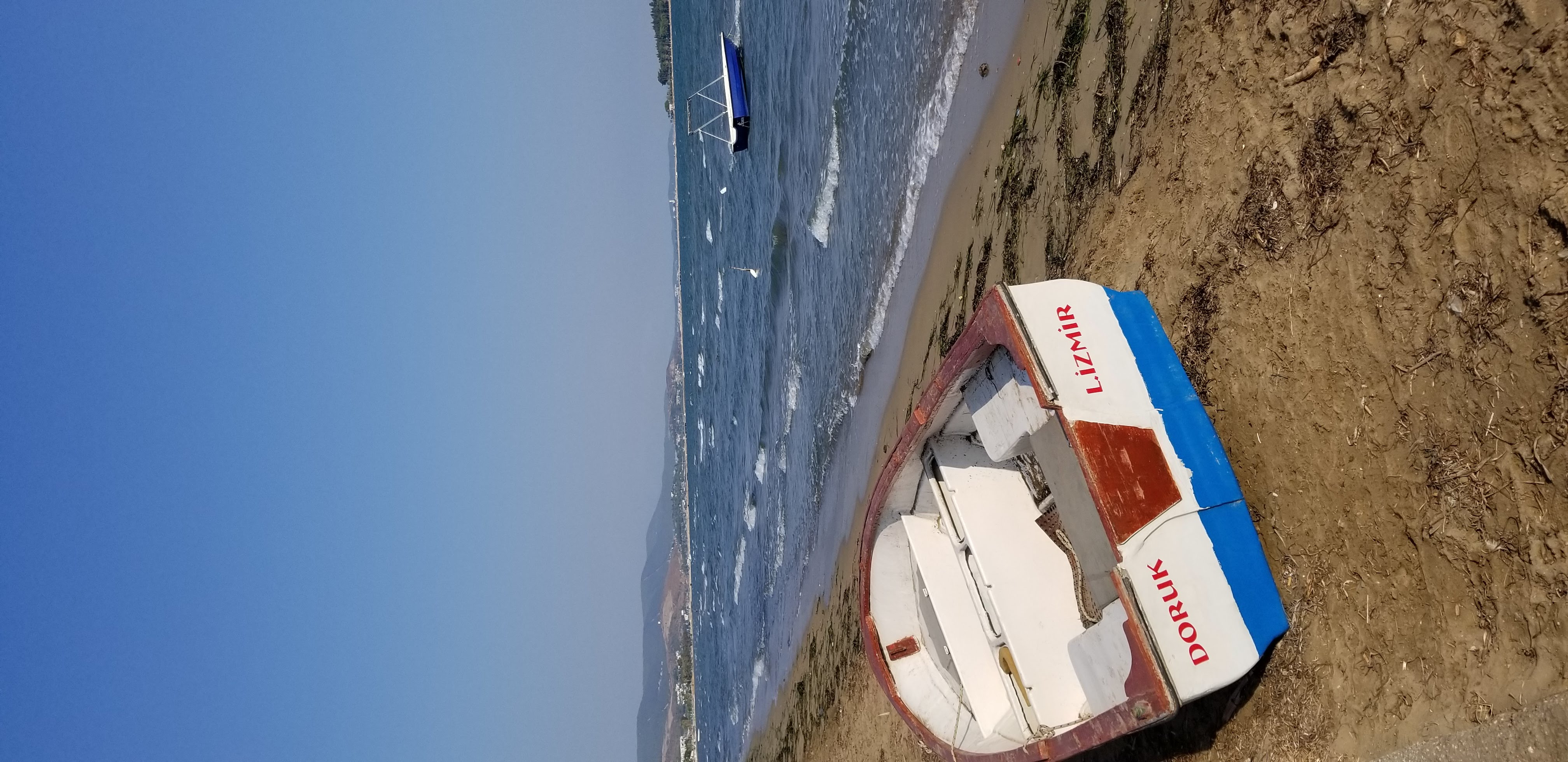
The waterfront kordon is the obvious starting point — a wide promenade along the bay, lined with cafés and restaurants, the water always visible and usually busy with ferries and fishing boats. In the evenings the whole city seems to relocate here. But the more interesting part of İzmir is Kemeraltı, the covered bazaar district inland from the kordon: narrow lanes of shops selling everything from hardware to dried fruit, a functioning Ottoman han or two, the Kemeralti Mosque at the centre, and the particular controlled chaos of a market that has been operating continuously for three centuries.
Ephesus and the Surroundings
Ephesus is 80 kilometres south, an hour by bus or dolmuş. It is one of the great archaeological sites in the world — a Roman city of 250,000 people, its main street still intact, the Library of Celsus still standing, the theatre still capable of holding 25,000. Going early in the morning or late in the afternoon is essential; the midday crowds in summer are genuinely unmanageable.
But İzmir's surrounds are full of other things too: the ancient agora in the middle of the city, the Asansör (a late Ottoman lift connecting two levels of the Karataş neighbourhood, now surrounded by the best restaurants in the city), the Alsancak nightlife district, the Urla wine town west of the city. It is a city that rewards slowing down.
İzmir