Giresun: The City That Gave the World Cherries
A forested Black Sea town with a medieval island castle, hazelnut groves on every hill, and a slower pace than anywhere else on the coast
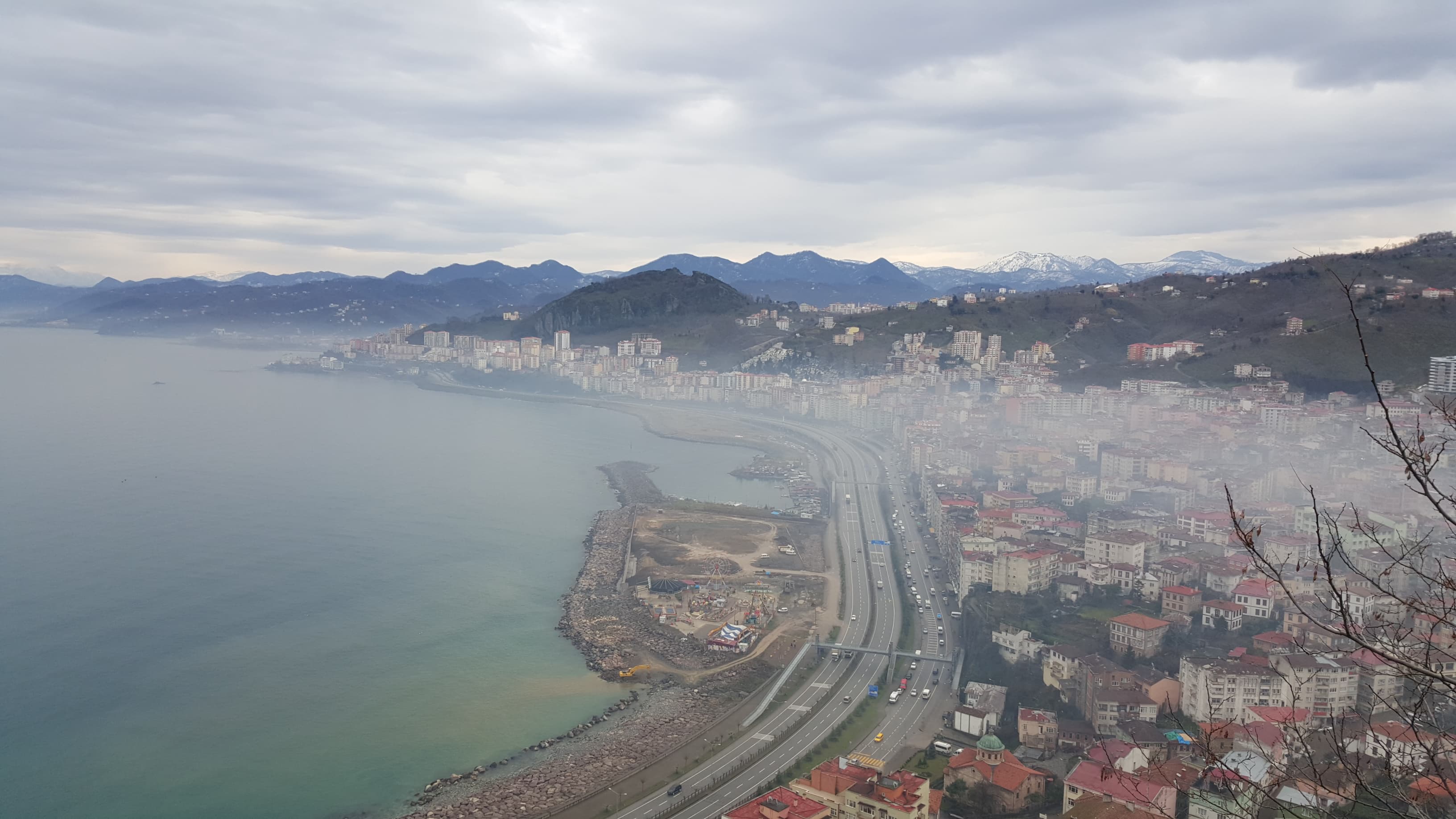
I arrived in Giresun in January 2016, which is not the obvious time to visit a Black Sea coastal town but turned out to be the right time. The summer tourists were gone, the hazelnut harvest was over, and the city was exactly what it is at its core: a modest, forested Black Sea town that has been here in various forms for 2,500 years and is entirely comfortable with its own company.
The town spills down wooded hillsides to a small harbour, with the medieval Giresun Island sitting in the bay — accessible by a ten-minute boat ride, the island's Byzantine and Genoese ruins emerging from pine forest. The water in January was cold and grey, but the fishermen were still out, and the breakwater was still lined with old men drinking tea.
Giresun Island
The island is the thing that makes Giresun memorable. It's one of very few islands in the eastern Black Sea, small enough to walk around in twenty minutes, with the ruins of a Byzantine monastery and a Genoese fortress still standing among the trees. The boat trip over costs almost nothing and takes minutes. The island itself is quiet and slightly melancholy, the ruins half-absorbed by the forest, the sea visible through the pines on all sides.
The Black Sea Aesthetic
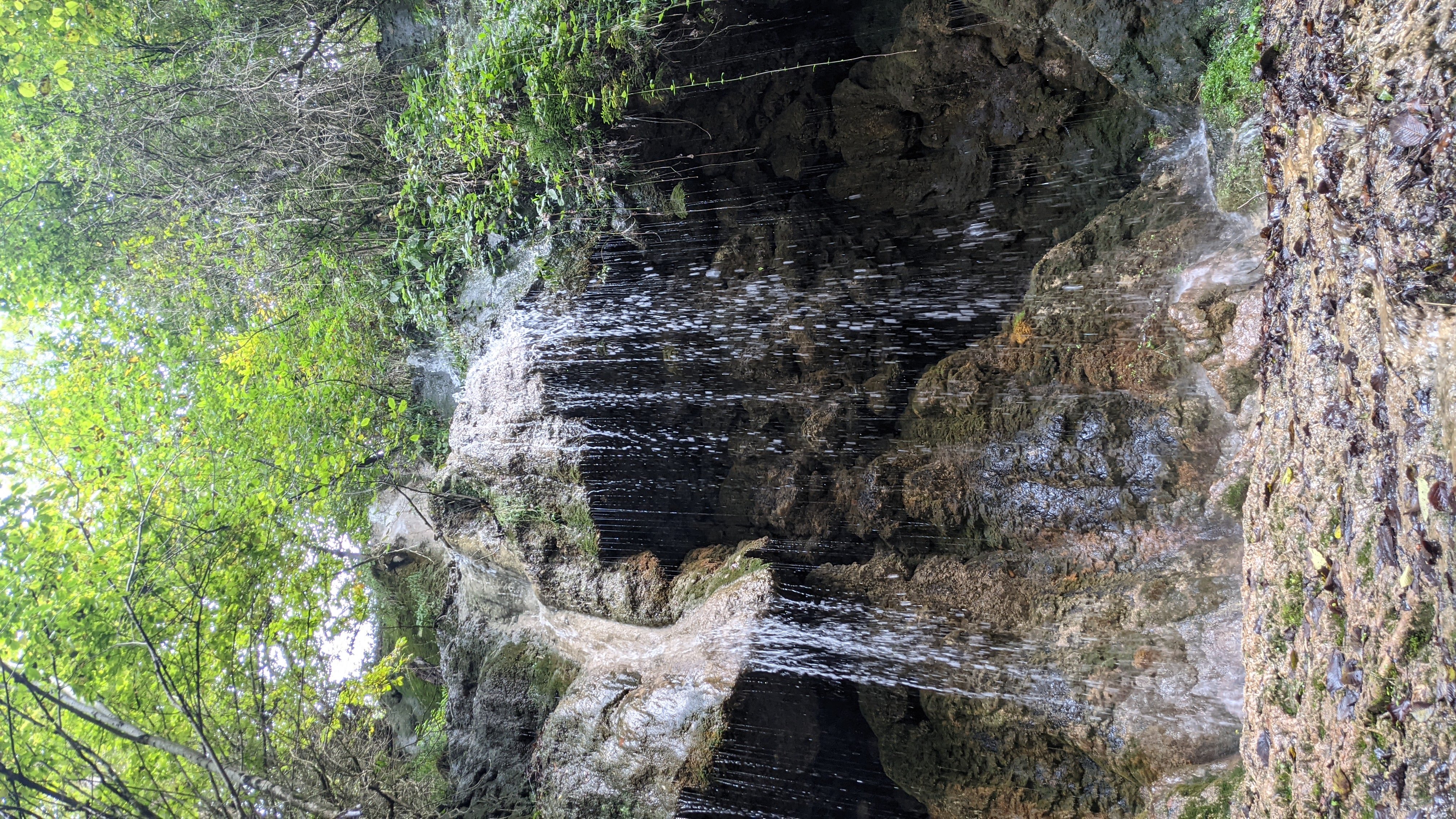
The eastern Black Sea coast has a specific aesthetic that takes some adjustment if you're coming from the Mediterranean. It's green instead of brown, wet instead of dry, forested instead of rocky. The humidity keeps everything lush even in summer. The tea and hazelnut plantations cover the hillsides in terraced rows. The food runs to Black Sea specialities — corn bread, anchovy preparations (hamsi), local butter, herbs — rather than olive oil and tomato.
Giresun sits in the middle of this landscape without making a fuss about itself. There's a small museum, a castle ruin on the hill above town, the famous Aksu Festival in May (celebrating the island and local tradition). It is exactly the right size and exactly the right pace. I stayed two days and could have stayed a week.
Giresun