Edinburgh Before It Rains Again
Castle rock, cobblestones, and a hidden village at golden hour
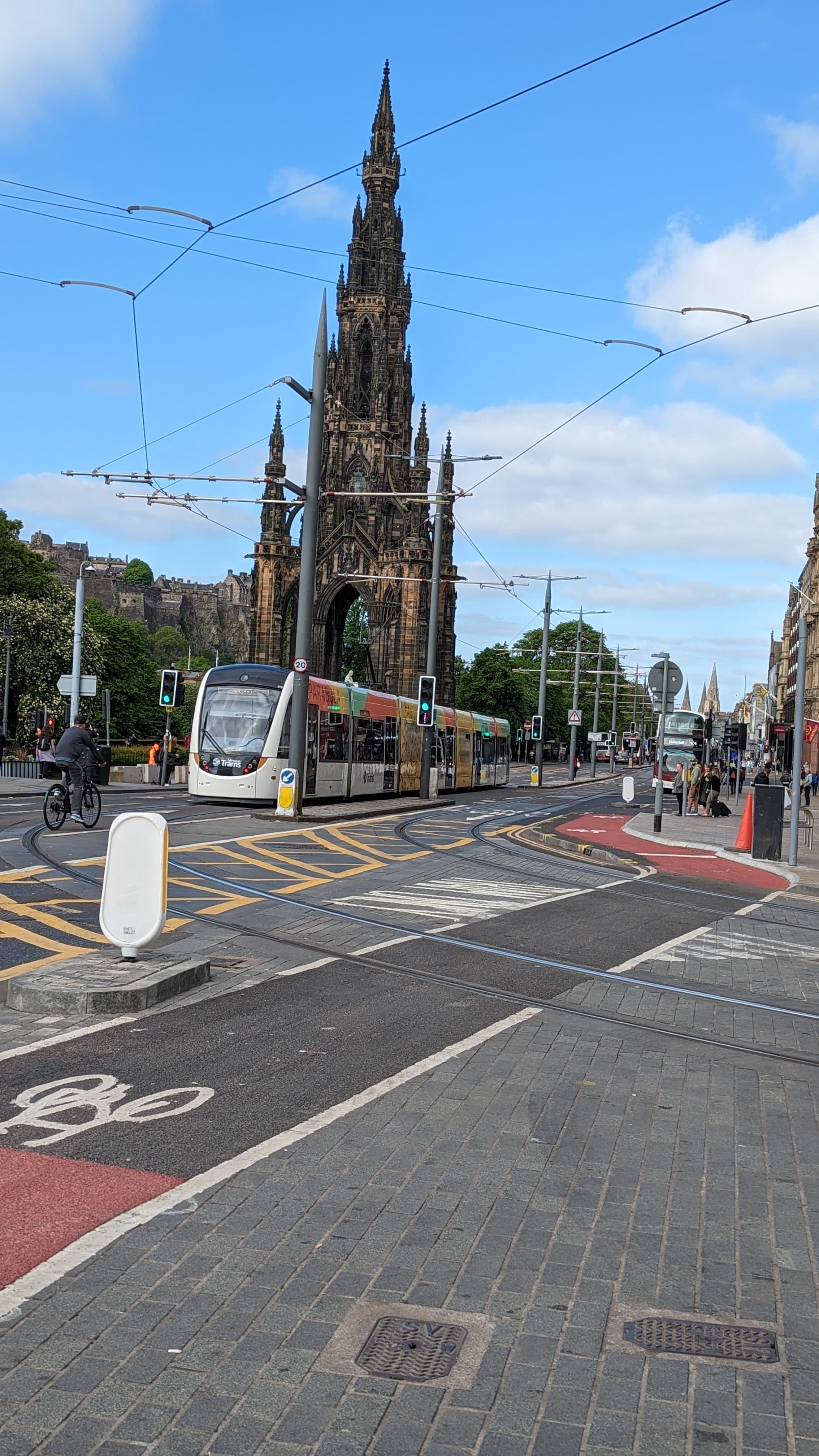
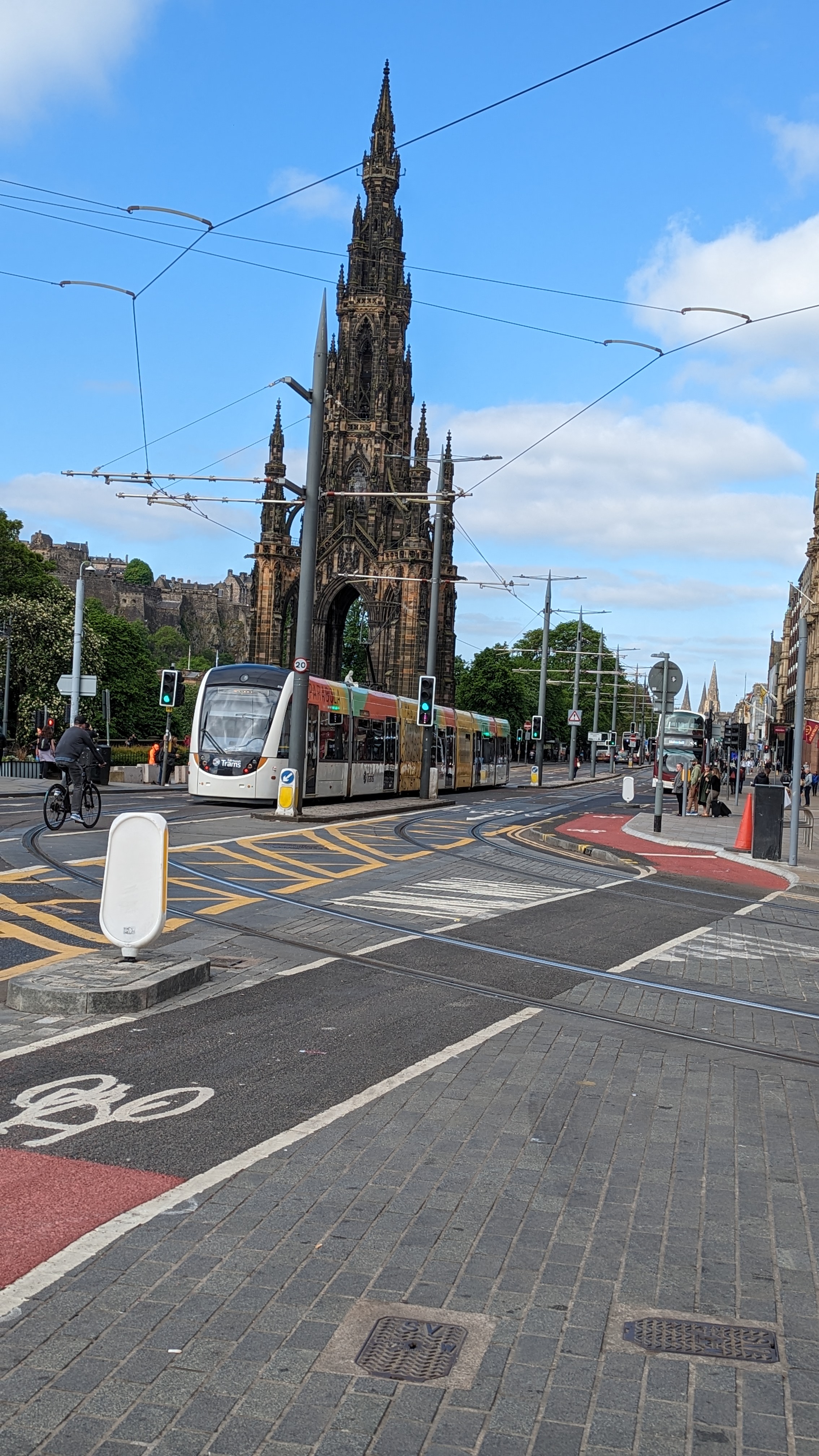
You step off the tram on Princes Street and three things happen at once: you see the Scott Monument, you see Edinburgh Castle on its volcanic plug behind it, and you understand immediately that this is not a city that makes subtle first impressions. The castle sits up on the basalt crag like it grew there, which is more or less true — people have been fortifying that rock since the Iron Age. The tram hisses past at street level. A gust of cold, clean air comes from somewhere. Edinburgh announces itself.
I'd come from a long flight and arrived in the early afternoon, which turned out to be good timing. The light in Edinburgh — when it's there — has a particular northern quality. Thin and precise. It finds the edges of things. The sandstone of the Old Town glows. The shadows are sharp. Everything looks slightly more dramatic than it has any right to be.
The Old Town
The Royal Mile is the spine of the Old Town, running from the castle down to Holyrood Palace, but the interesting parts are the closes — the narrow alleyways that shoot off at right angles and drop sharply down the slope. They have names: Advocates Close, Mary King's Close, Brodie's Close. Each one is a corridor into a different layer of the city, the stonework getting older and darker as you go.
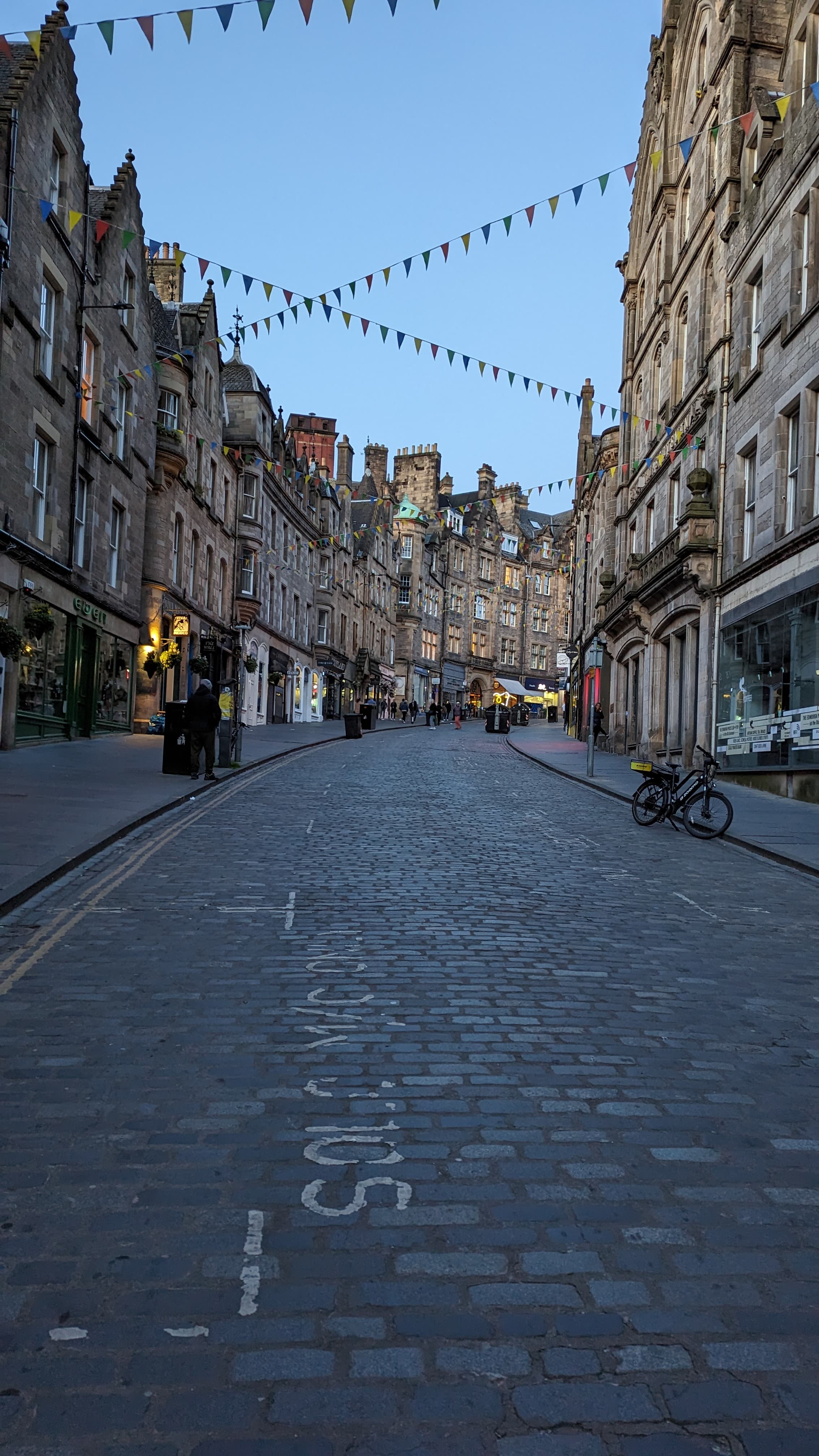
Cockburn Street is the one that stops you. It curves off the Royal Mile in a wide arc, lined with record shops and independent cafés and old pubs, the buildings leaning in slightly from both sides. At blue hour — that twenty-minute window after sunset when the sky goes deep blue and the shop lights come on — it looks like a film set. The bunting hangs between buildings going nowhere in particular. The cobblestones are wet. Almost nobody is there. This is the version of Edinburgh the tourists miss because they leave too early.
The Architecture
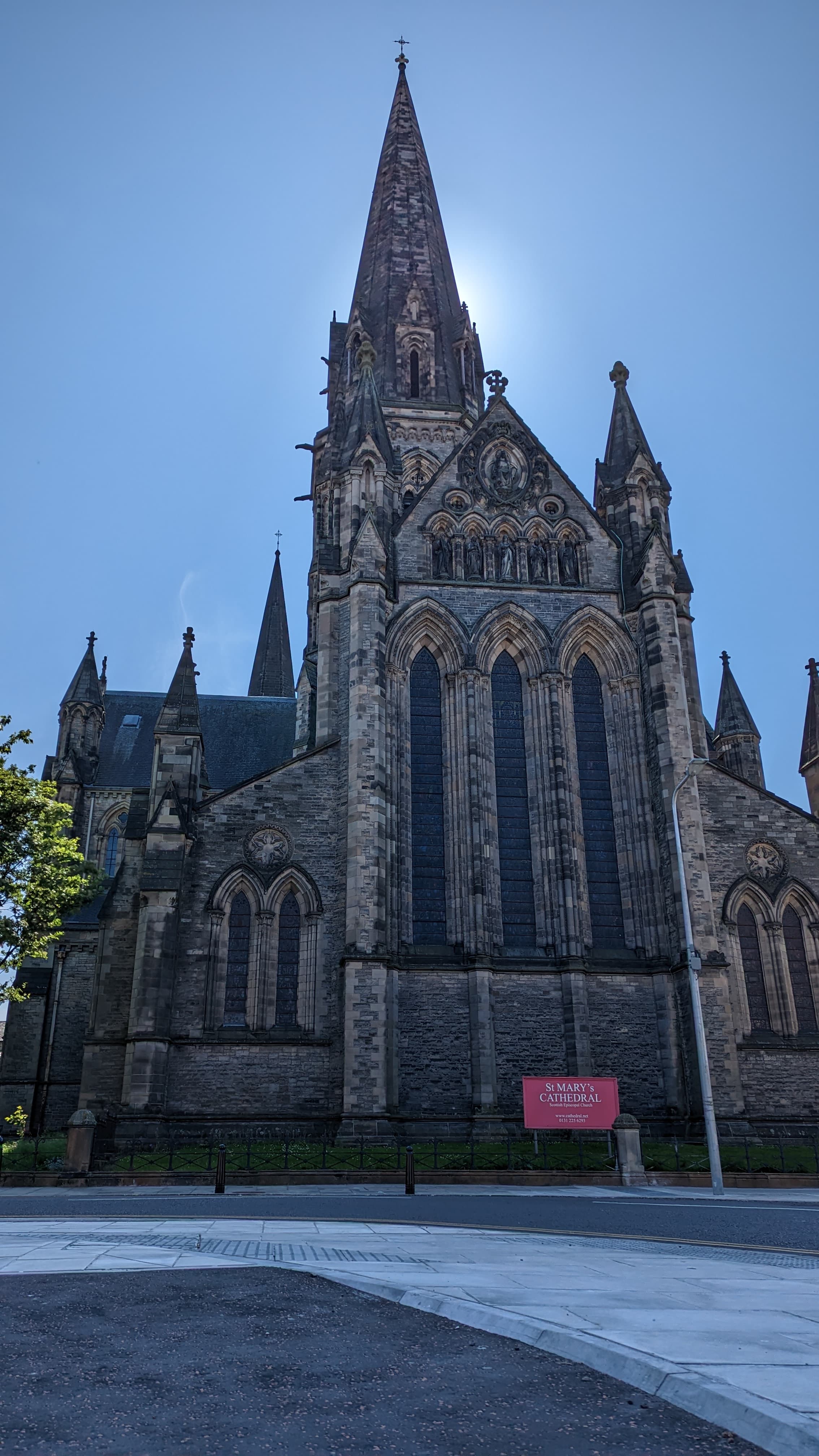
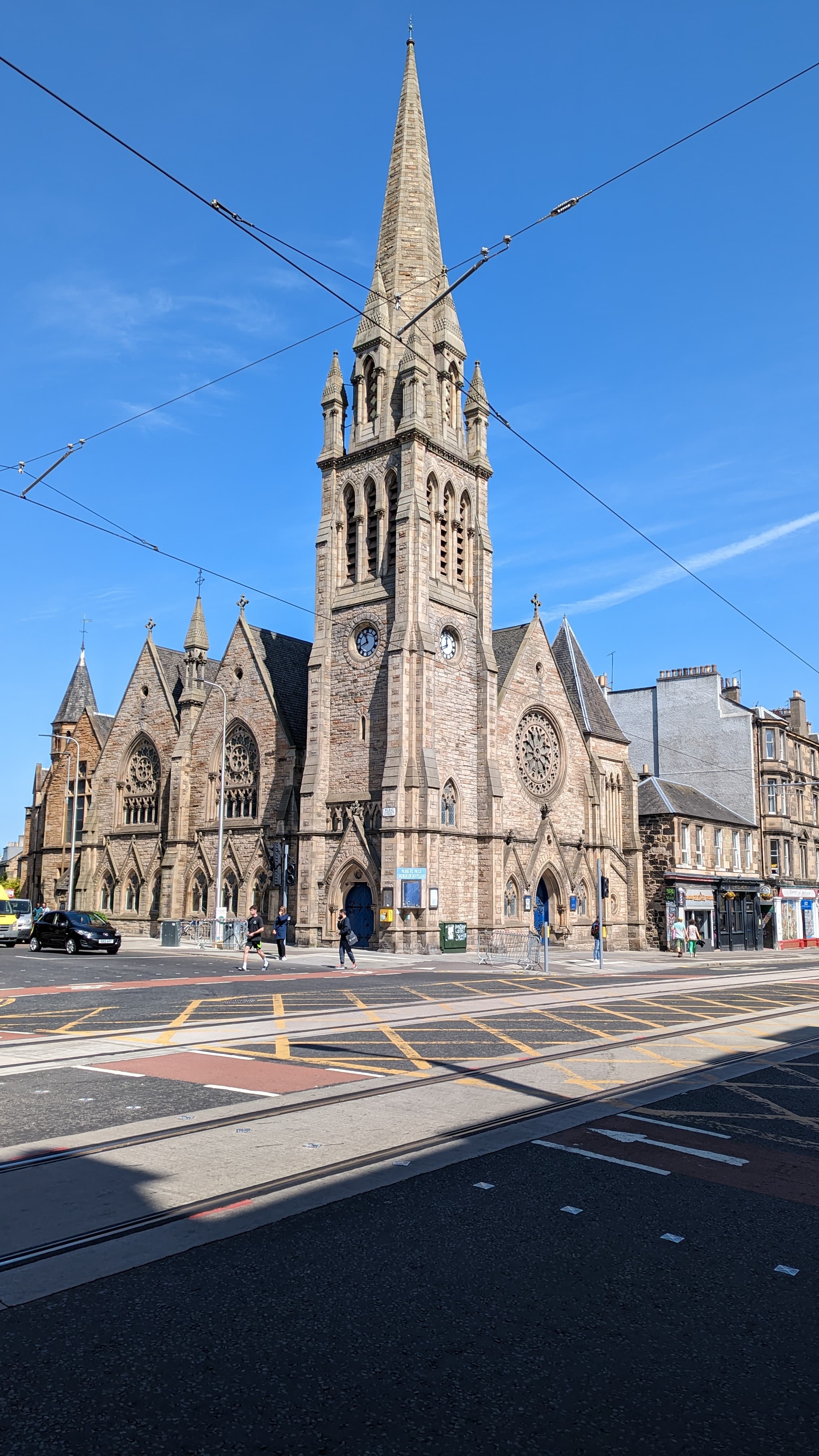
There is a spire on every corner in Edinburgh. Not metaphorically. Literally. St Mary's Cathedral at Palmerston Place, the Tolbooth Kirk on the Royal Mile, the Gothic churches scattered through Leith and Stockbridge and Bruntsfield — Edinburgh defaults to Victorian Gothic as its architectural mode and never really let it go. The stone is dark. The proportions are vertical. Everything aspires upward.
I spent half an afternoon just walking and photographing spires. The light kept doing things. St Mary's Cathedral, with its three spires and its deep-cut stonework, caught the sun directly behind the central pinnacle at around three in the afternoon and I stood there for ten minutes waiting for a cloud to clear. When it did, the shot was worth it.
The Graveyard on the Hill
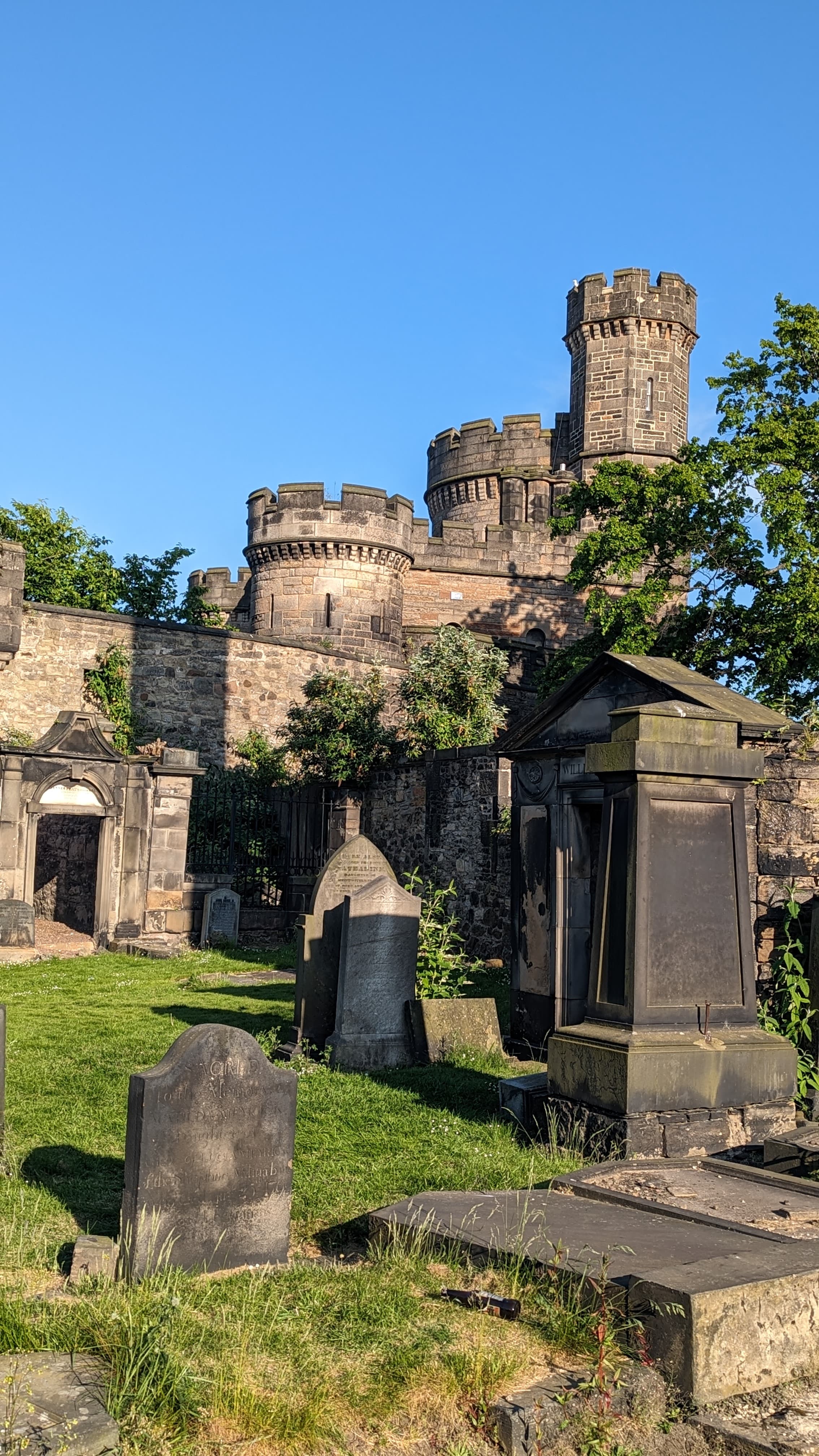
Old Calton Burial Ground is not somewhere most visitors go, which is a mistake. It sits on Calton Hill — the low, prominent hill at the east end of Princes Street — with a view straight back along the Royal Mile and up to the castle. The gravestones are old and some are tilting. The towers of the castle rise directly above the perimeter wall. It is a quiet place with an extraordinary view, and Edinburgh seems entirely comfortable with this arrangement: the living city visible from the graveyard, the castle above the stones, history layered without apology.
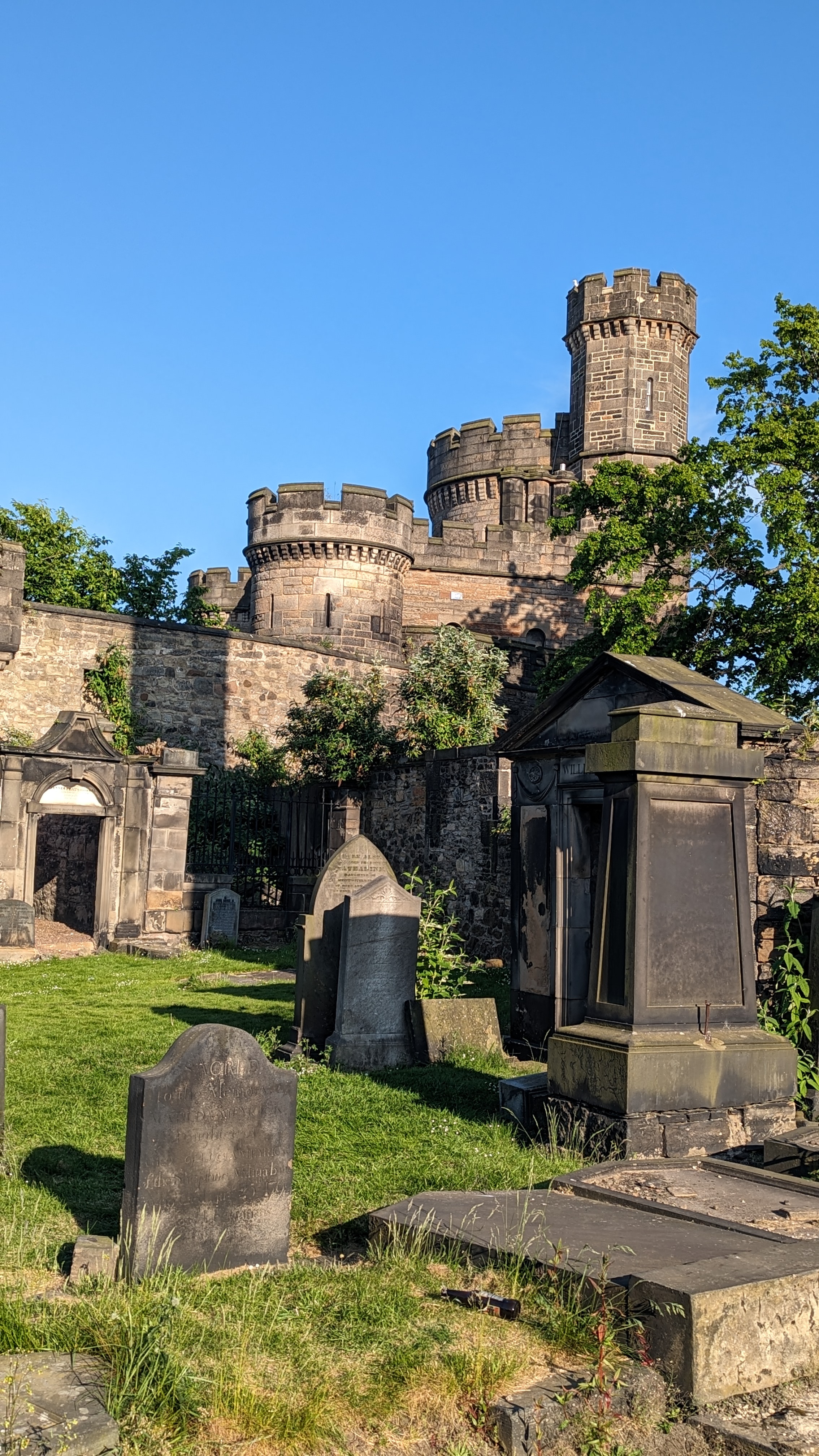
I sat on a bench and looked at the castle for a while. A few other people came and went. The city went on below. Edinburgh has this quality: it allows you to be still in it.
Dean Village
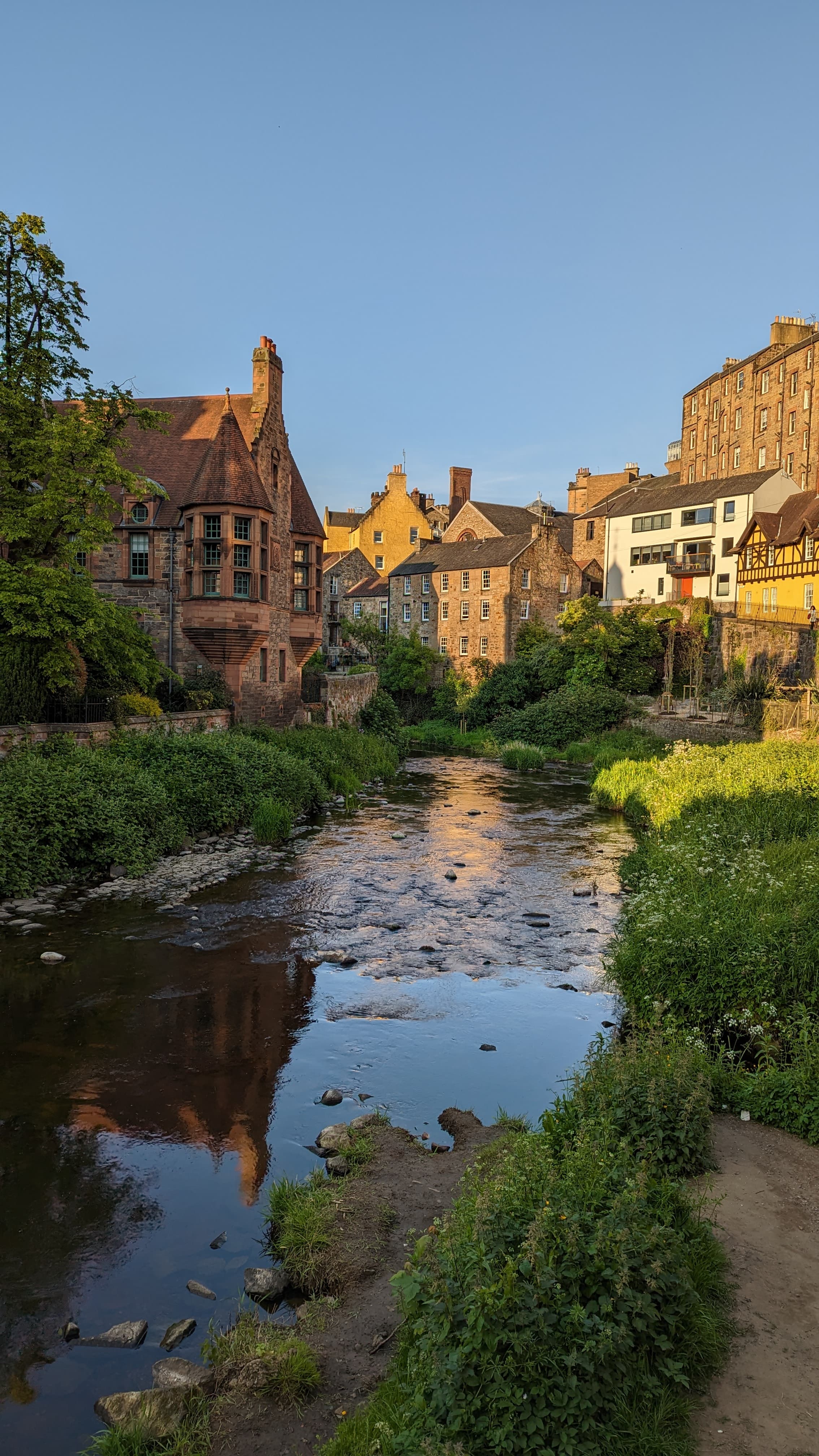
Five minutes from the Royal Mile — not in a different neighbourhood, not across town, but five minutes walking through Stockbridge — there is a village. Dean Village sits in a gorge below street level, along the Water of Leith, and the shock of arriving there is real. The water moves fast and clear over stones. Old granary buildings line the banks. Willows overhang the river. The sound of the city disappears completely.
At golden hour in late autumn, the light comes in sideways through the gorge and the whole thing glows. I walked along the Water of Leith walkway for an hour and saw no one I would describe as a tourist. This is the Edinburgh that residents have. It costs nothing and takes no planning. You just have to walk a bit further than the castle.
Food and Drink
Haggis gets a lot of cultural weight but it's genuinely worth eating at least once at a proper pub — not a tourist menu version but haggis, neeps and tatties, served on a plate without ceremony. It's rich and peppery and it makes sense in November. Scotch pies — small, crimped, filled with minced mutton — are the thing to eat from the bakeries on Leith Walk.
The whisky question is real: Edinburgh has more whisky bars per square mile than almost anywhere, but the tourist-facing ones have different stock and different prices than the ones frequented by locals. The rule of thumb is to walk into anything that looks slightly worn and has more than three regulars at the bar. Order something from the Highlands and ask the bartender what they'd drink.
Leith, the old port district, now has a serious restaurant scene — Michelin stars, natural wine bars, places with no signage and short menus. It's a twenty-minute walk or a short tram from the city centre and worth the effort for dinner.
Photography Notes
Everything in Edinburgh is vertical. The closes, the spires, the castle on its crag, the tenements rising six stories from narrow streets — the city does not lend itself to landscape orientation. Shoot portrait. Every interesting thing here is taller than it is wide.
Blue hour on Cockburn Street and the Old Town closes is the session to plan for. Arrive twenty minutes before sunset, get your position, and wait. The window is short — maybe fifteen minutes — but the light is extraordinary: the sky deep blue, the stone lit warm from the shop windows, the wet cobblestones reflecting everything. That is the Edinburgh shot.
For the castle, the best view is from the Vennel steps on Grassmarket — a small staircase that leads up to a gap in the old city wall with the castle directly ahead and the roofline of the Old Town below it. Go early, before ten, and you'll have it to yourself.
From the Road