Córdoba: The Mosque-Cathedral
The Mezquita, a thousand years of architectural collision, and a small city that contains more history per square metre than almost anywhere
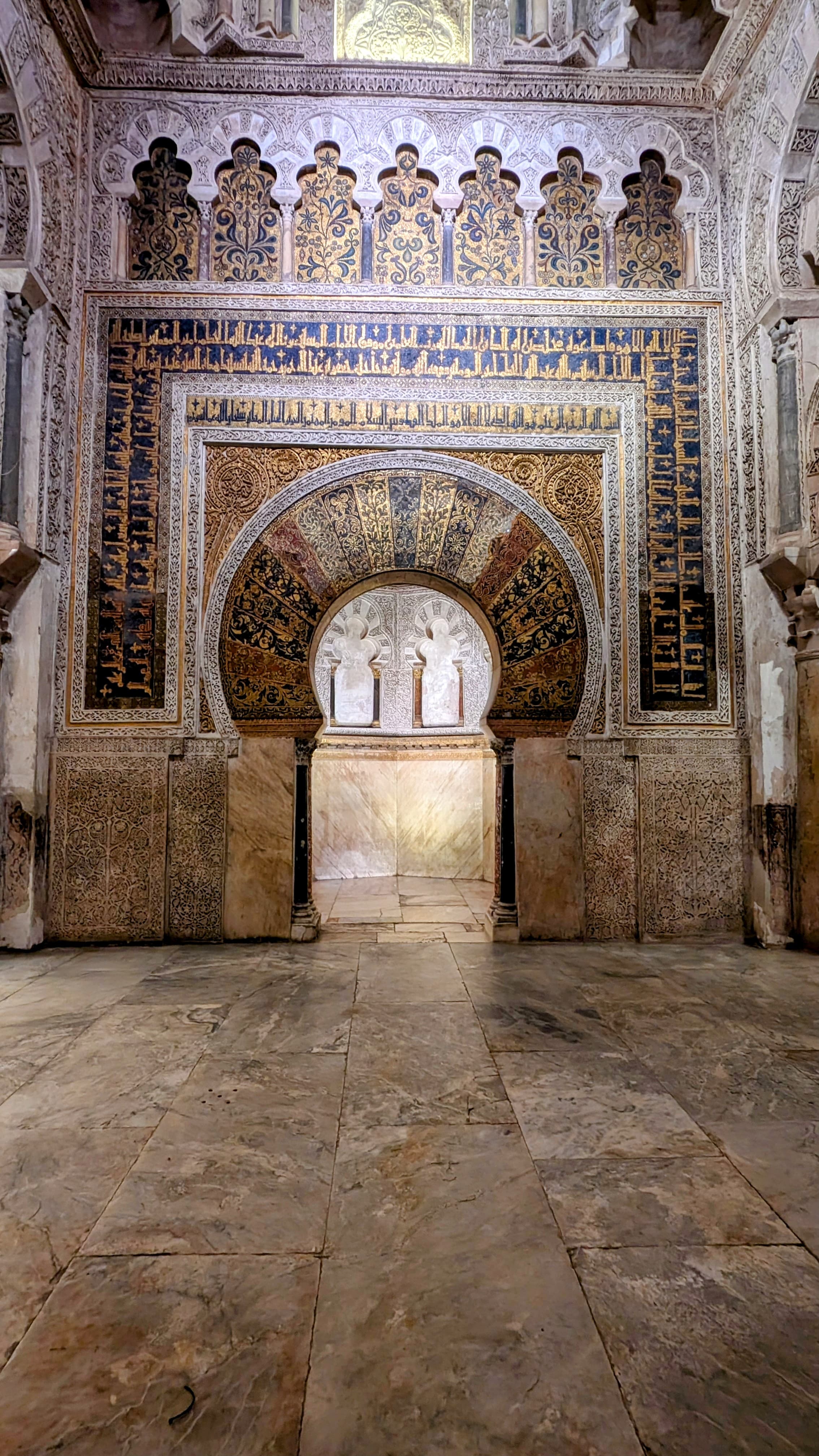
The forest of columns begins the moment you step through the Gate of Forgiveness into the Mezquita. Eight hundred and fifty-six columns — granite, jasper, onyx — arranged in rows, supporting double arches of alternating red brick and white stone that stretch in every direction as far as you can see. The effect is of an interior without walls, without corners, without a single focal point that your eye can rest on. You keep looking. There is always more. I have been in many old buildings and I have not been in one that does this — that generates this specific quality of spatial infinity — in quite this way.
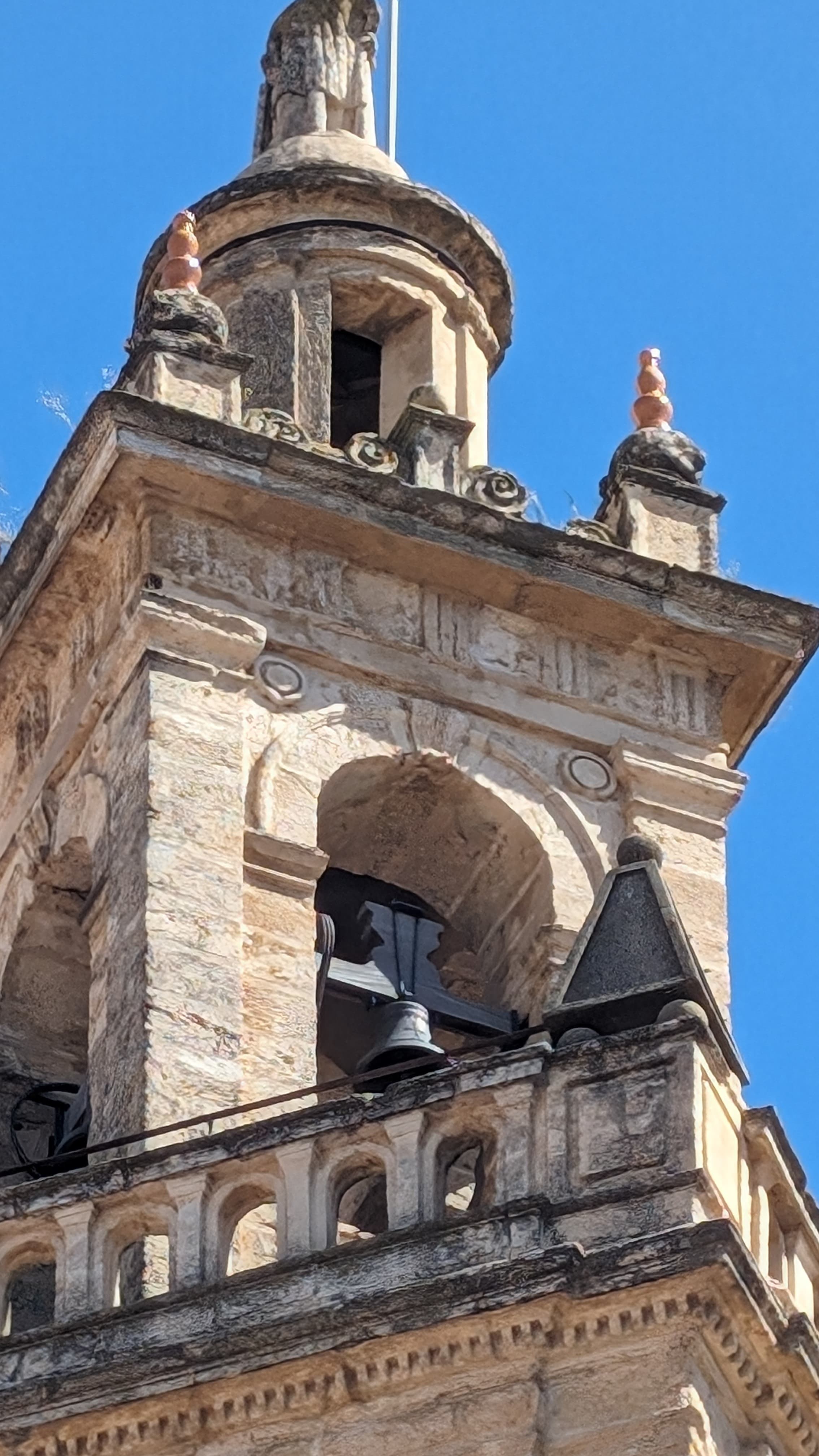
In the middle of the mosque, the sixteenth-century cathedral nave rises through the roof. Charles V — Holy Roman Emperor — authorised its construction in 1523 and later reportedly said he had destroyed something unique to build something ordinary. The nave is fine, in the way that a competent Renaissance cathedral is fine. But surrounded by the Umayyad mosque on all sides, it is also an act of architectural violence whose marks are still visible in the columns that were cut to make space for it.
The History
Córdoba was the capital of Al-Andalus — the Moorish empire that controlled most of the Iberian Peninsula from 711 to 1492 — and at its height in the tenth century it was the largest city in Western Europe. The caliphate that ruled from here was one of the most culturally productive in medieval history: philosophy, mathematics, astronomy, medicine, architecture. The translation movement in Córdoba — Arabic scholars translating Greek texts that had been lost to the Latin West — was one of the transmission mechanisms through which classical knowledge re-entered European intellectual life.
Walking the old Jewish quarter (the Judería) — the tightly packed lanes around the old synagogue, one of the only surviving medieval synagogues in Spain — you feel the proximity of three civilisations in a small space. The synagogue is a single room. It was built in 1315, a hundred years before the expulsion of the Jews from Spain, and the Hebrew inscriptions are still on the walls.
The Alcázar
The Alcázar de los Reyes Cristianos — the fortress-palace of the Christian Kings — sits at the edge of the old city with gardens that descend in terraces to the Guadalquivir River. The gardens are the best part: long rectangular pools, orange trees, rose beds, and at the far end a view across the river to the Roman bridge. Isabella and Ferdinand used this palace as a base during the Reconquista. Columbus was received here before his first voyage. The rooms are spare now, but the mosaics — Roman, found in the area — are exceptional.
Food and the Patio Festival
Salmorejo — a thick, cold tomato soup, richer and more intense than gazpacho, topped with cured ham and hard-boiled egg — is the food of Córdoba and it is better here than anywhere else. The tomatoes are the reason. In May, the city holds its Patio Festival: residents open their private courtyards — filled with potted geraniums, jasmine, bougainvillea — to visitors. The competition between patios is serious and the result is extraordinary. Book accommodation early if you're coming in May.
The Forest of Arches