Chicago Has Always Been Serious About Itself
Architecture, the lakefront, and a city that knows exactly what it is
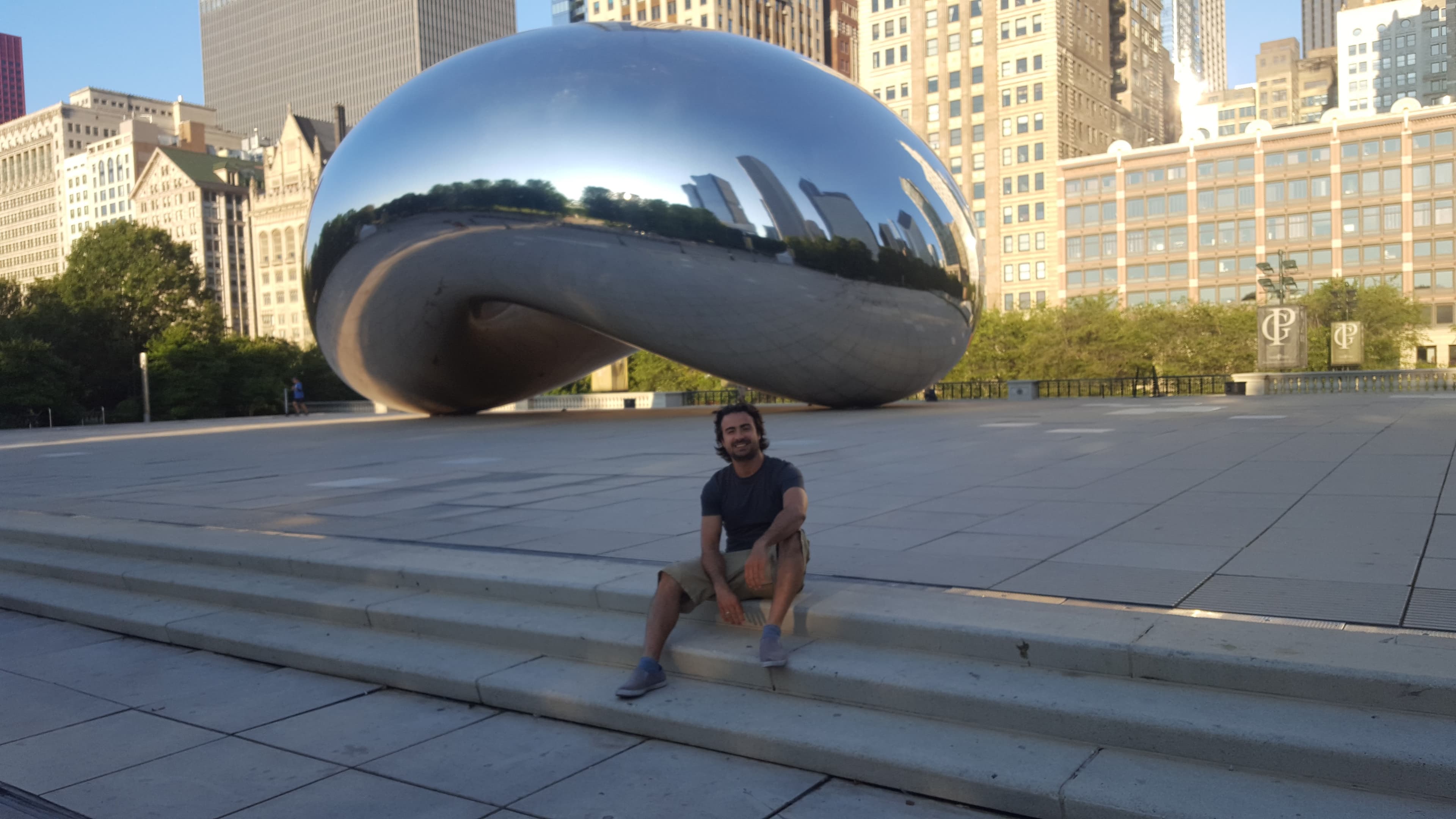
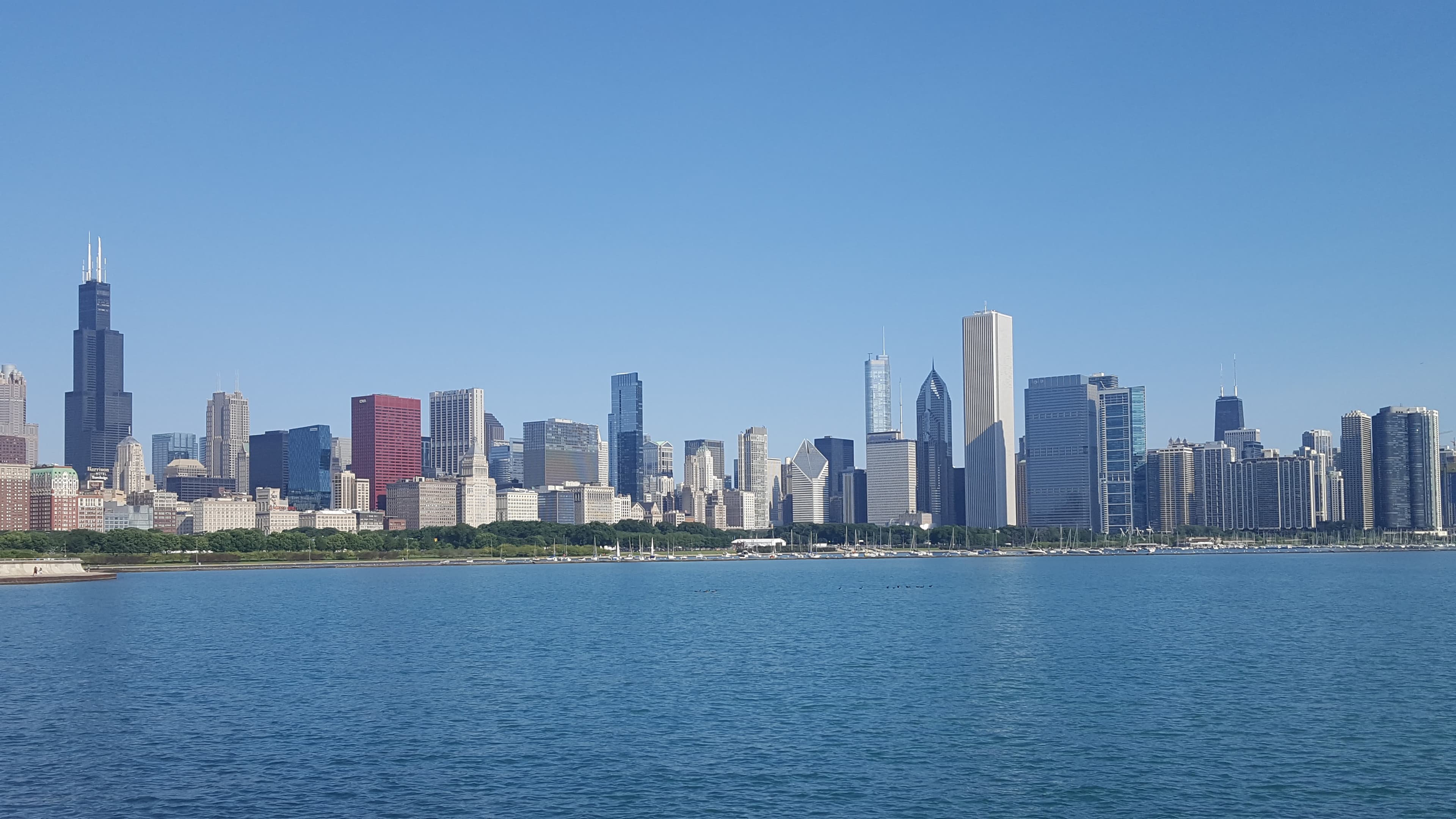
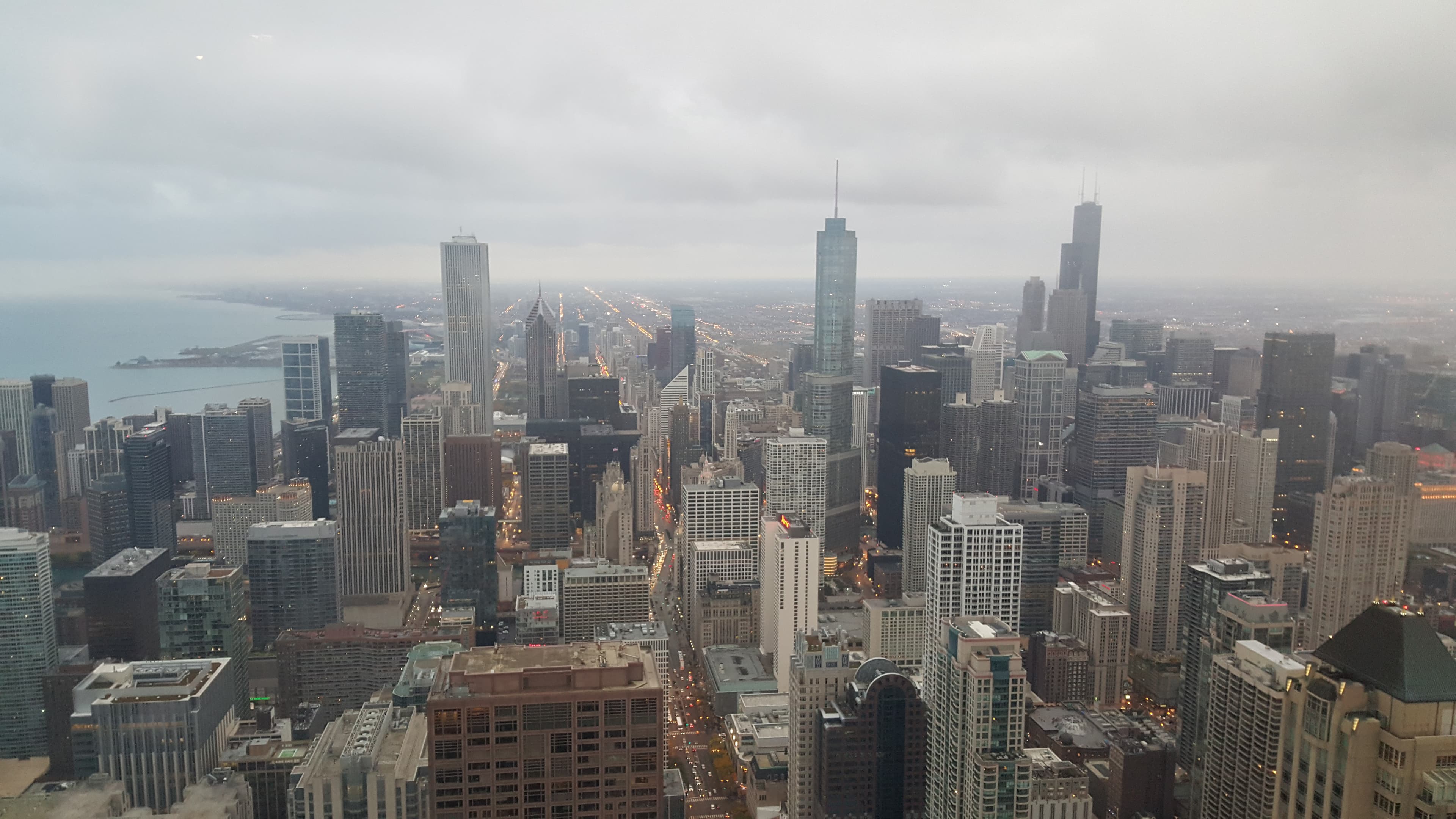
I came to Chicago for the architecture and stayed for everything else. This is, I suspect, a common trajectory. You arrive with a list of buildings — the Rookery, the Reliance Building, the Tribune Tower, the Aqua — and then the city gets in the way of the list in the best possible sense. You end up sitting on the lakefront at seven in the morning watching the skyline come into focus and forgetting you were supposed to be on a walking tour at nine.
Chicago is a city that knows what it is. It burned down in 1871 and rebuilt itself as the testing ground for a new kind of architecture. It invented the skyscraper. It developed the Chicago School of Architecture. It kept building, kept experimenting, kept stacking glass and steel in ways that other cities imitated decades later. The confidence this created is still the defining quality of the place.
The Architecture
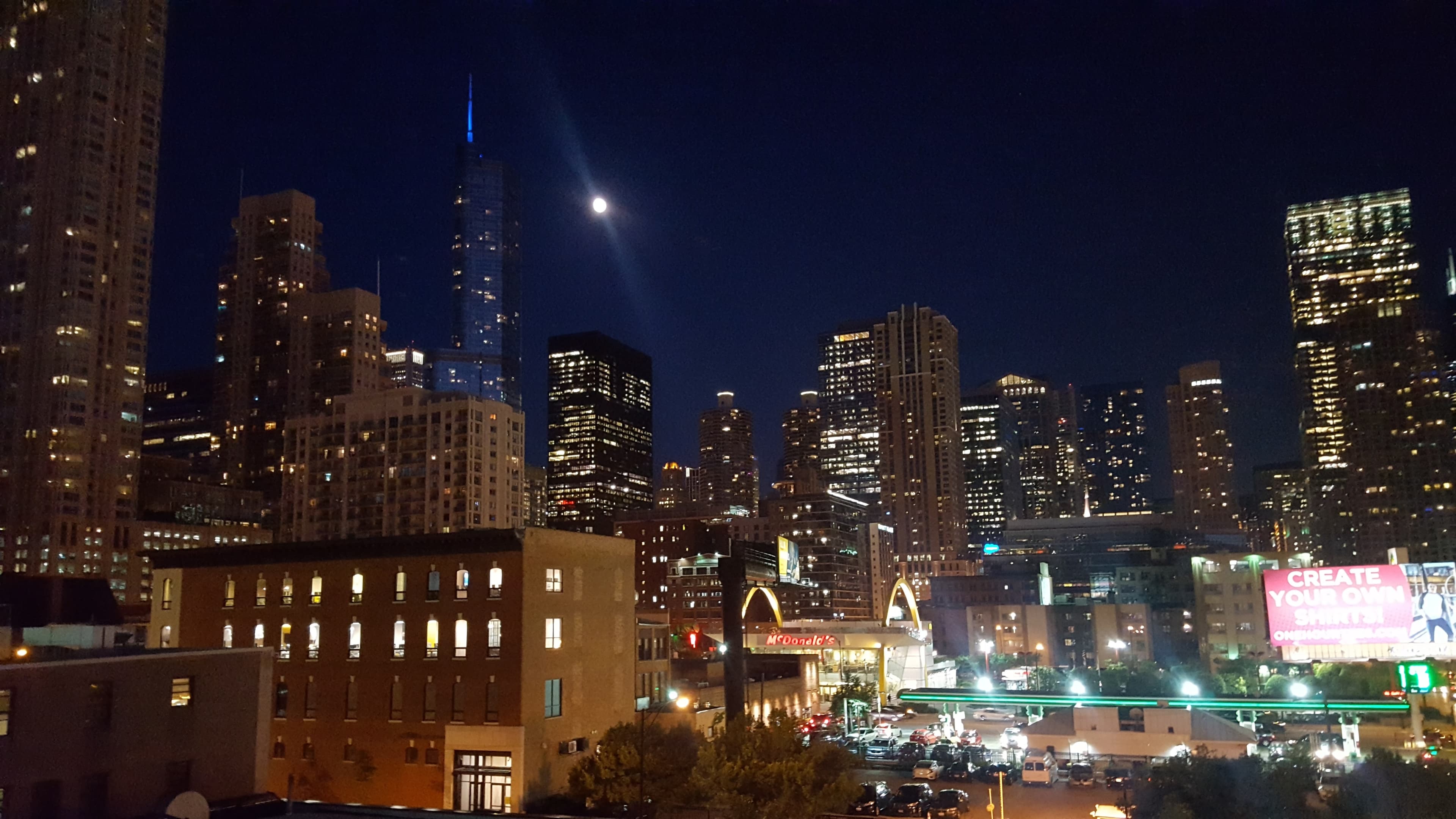
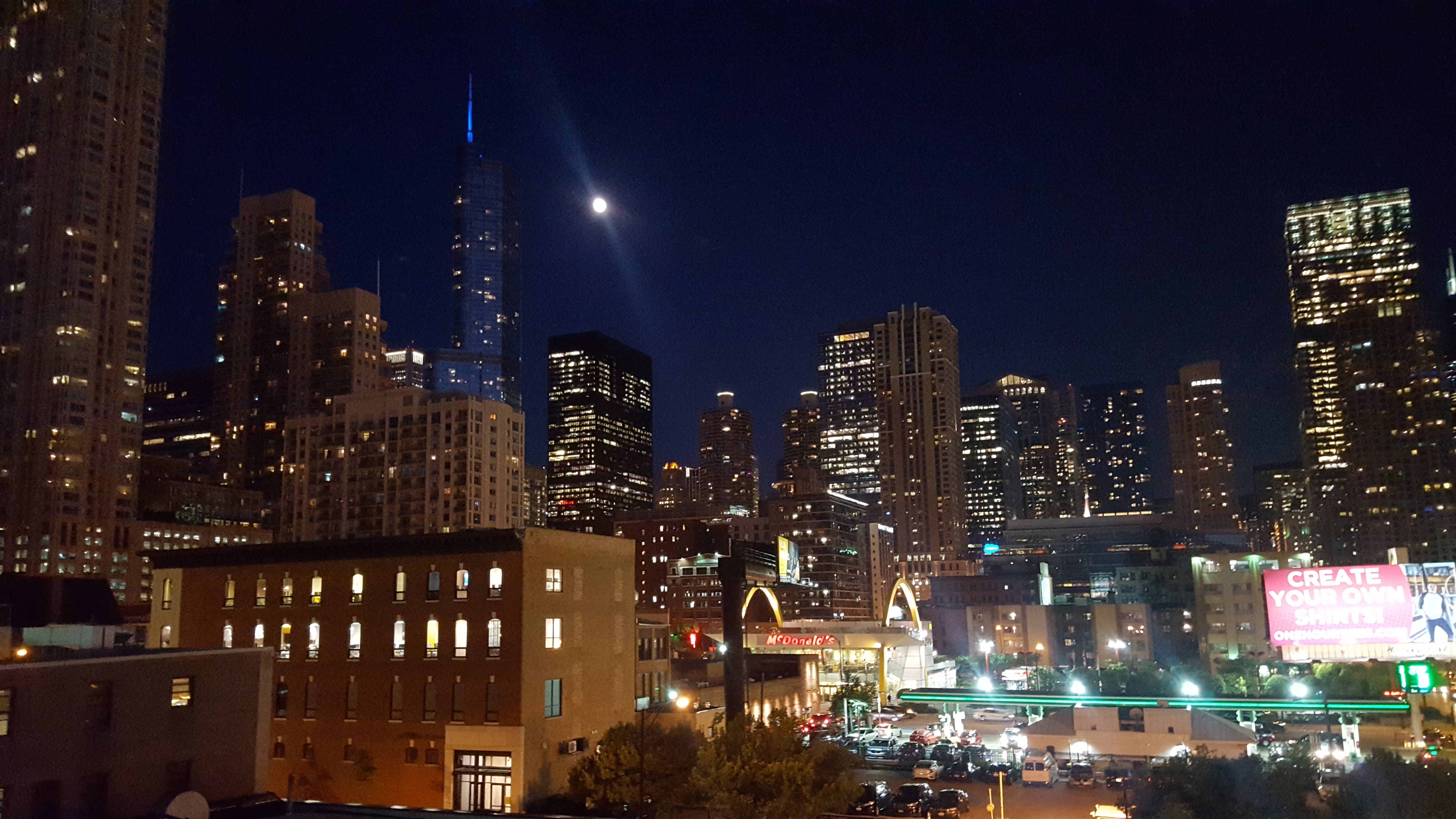
The Chicago Architecture Center runs river cruises that are, without exaggeration, some of the best architectural education you can get in a single afternoon. You're on the Chicago River looking up at the buildings while a guide explains what you're looking at — the structural systems, the historical context, the architectural arguments each building was making when it was built. I went twice, once in the morning and once at dusk, and the city looked completely different each time.
The buildings themselves: the Rookery Building on LaSalle Street (1888), with its Burnham and Root exterior and the Frank Lloyd Wright-redesigned lobby from 1905 — the light court is one of the most beautiful interior spaces I've been in. The Wrigley Building, white terra cotta glowing across the river from the Tribune Tower. The Aqua Tower, Jeanne Gang's wave-form concrete residential building, which looks like a geological formation that learned to be a skyscraper.
The Lakefront
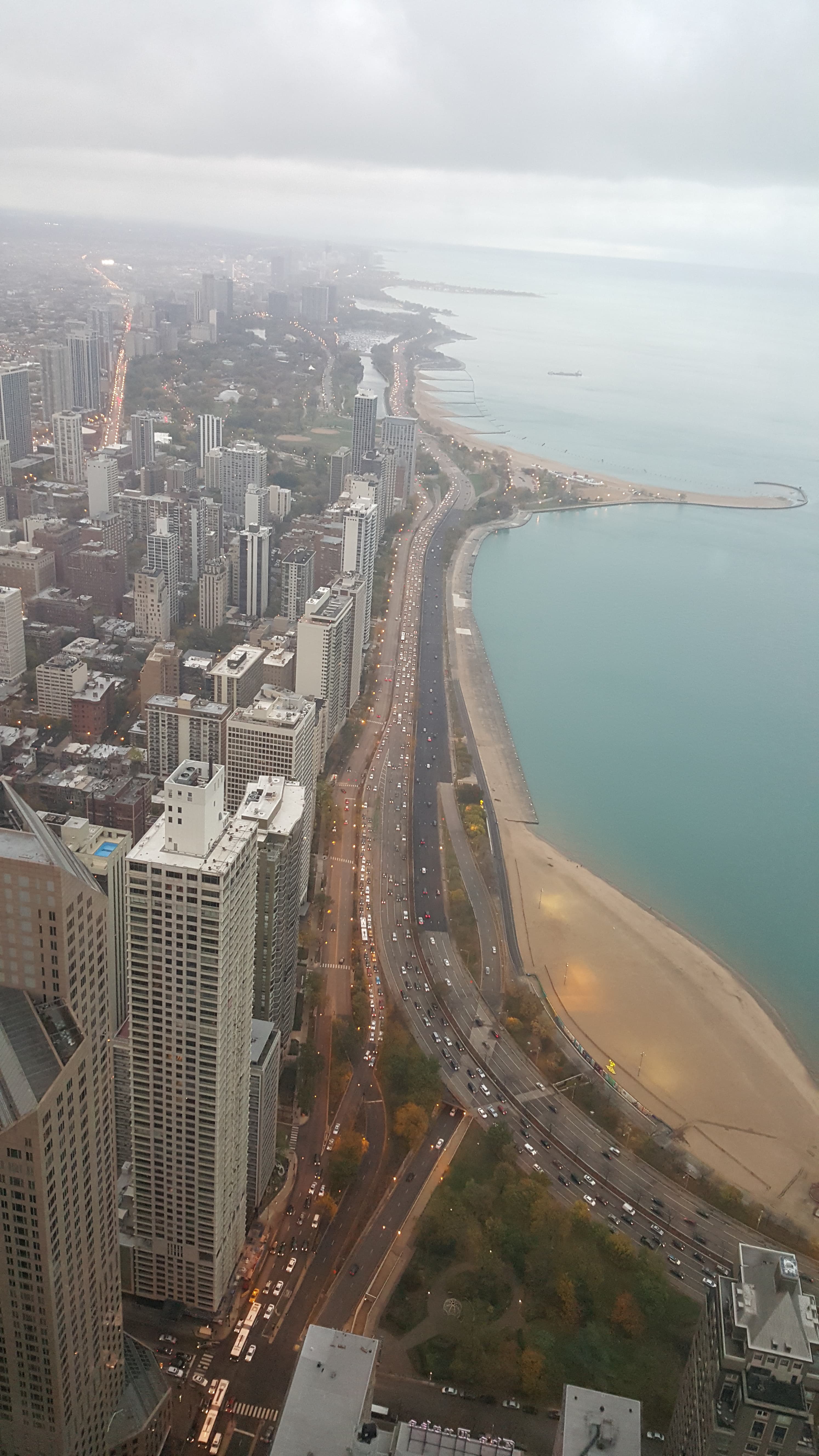
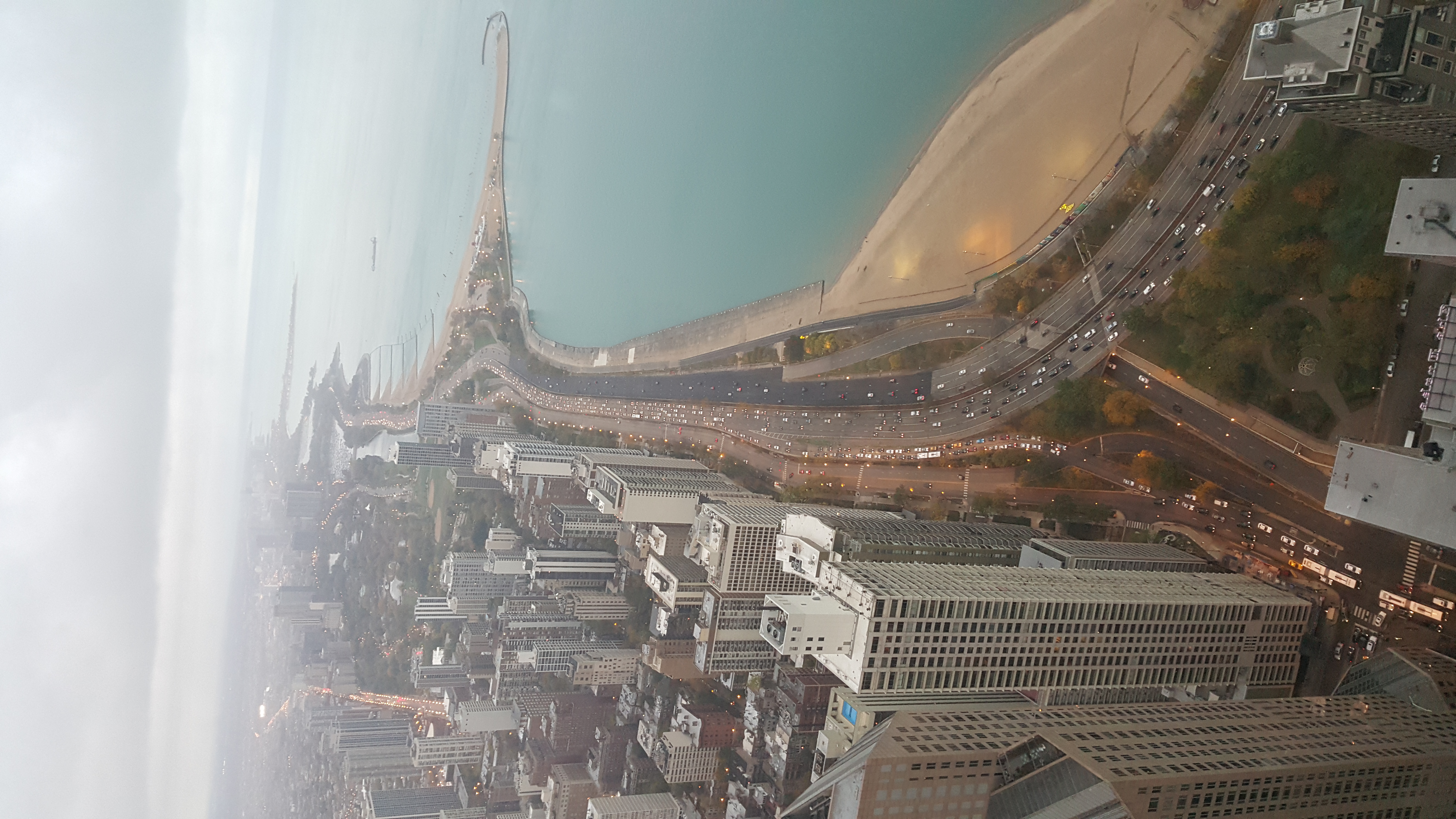
Lake Michigan is not something you're prepared for until you're standing in front of it. It's a freshwater inland sea — you can't see the other side. The water goes to the horizon and then keeps going. On a clear day it's the colour of the Caribbean; on a grey October morning it's green-grey and immense and the waves are serious.
The lakefront trail runs 18 miles from Edgewater in the north to South Shore in the south, almost entirely on public land. Chicagoans run it, cycle it, rollerblade it, walk it with dogs and children and iced coffees at all hours. At the southern end of Grant Park, where the trail passes Buckingham Fountain, the view back towards the Loop — the skyline rising directly from the lake edge — is the canonical Chicago image and it earns its status.
The Food
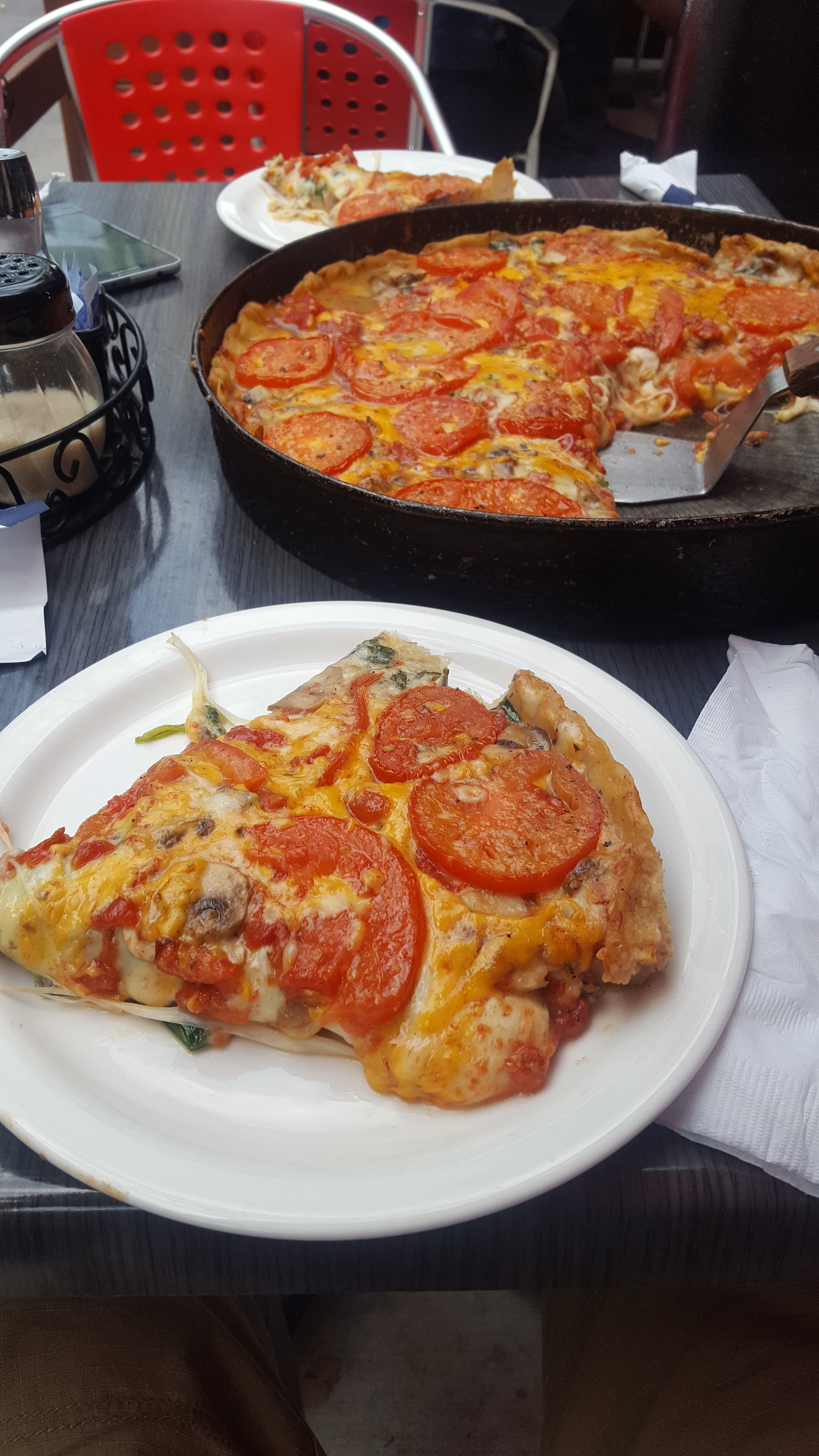
Chicago has a deep-dish pizza and a thin-crust pizza and a genuine civic argument about which one is real Chicago pizza. The answer is both, and also neither, because what Chicago actually does best is the Italian beef sandwich: thinly sliced, heavily seasoned beef, slow-cooked, piled into Italian bread, dipped in the cooking jus, topped with giardiniera. You eat it over a tray because it drips. It is magnificent.
The Fulton Market district — formerly Chicago's meatpacking area, now the city's most creative restaurant neighbourhood — has everything from Michelin-starred tasting menus to excellent ramen. The Green City Market (Saturdays, Lincoln Park) is one of the best farmers' markets in the Midwest. Giordano's for deep dish. Al's #1 Italian Beef on Taylor Street for the sandwich, eaten standing up, over a tray.
Chicago