Budapest: Two Cities, One River
Buda's hills and thermal baths, Pest's ruin bars and market halls — divided by the Danube, defined by the joining
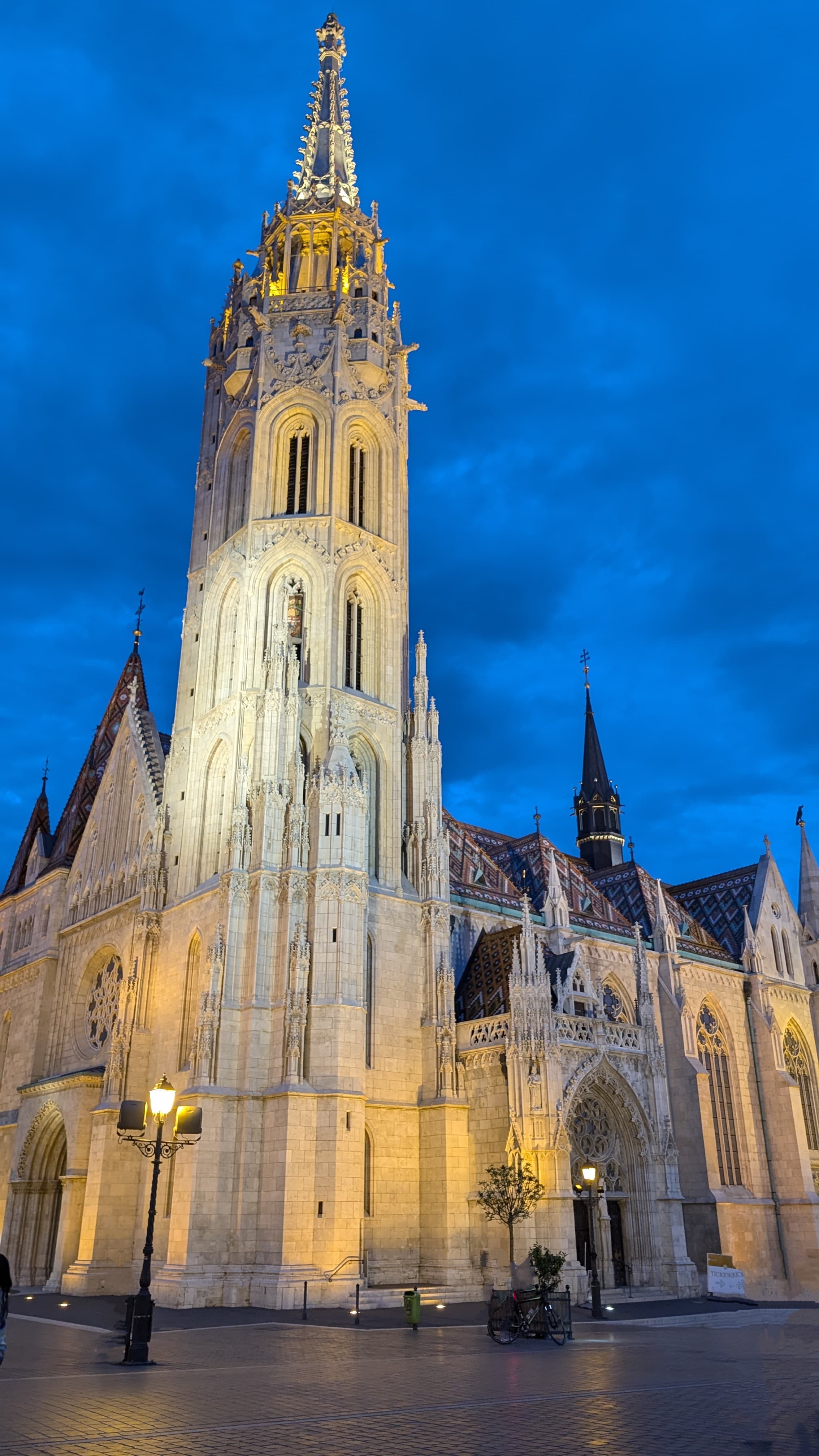
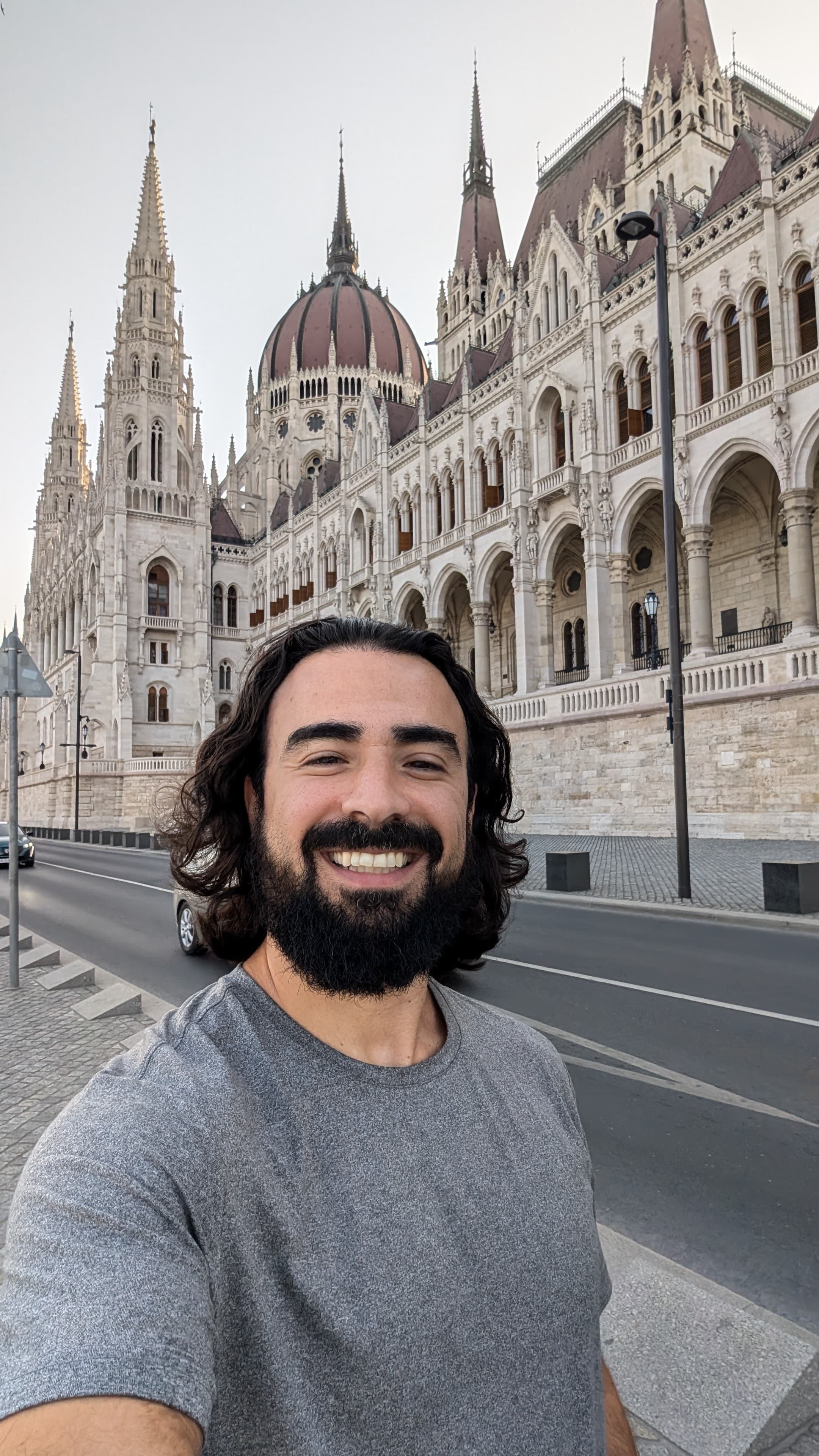
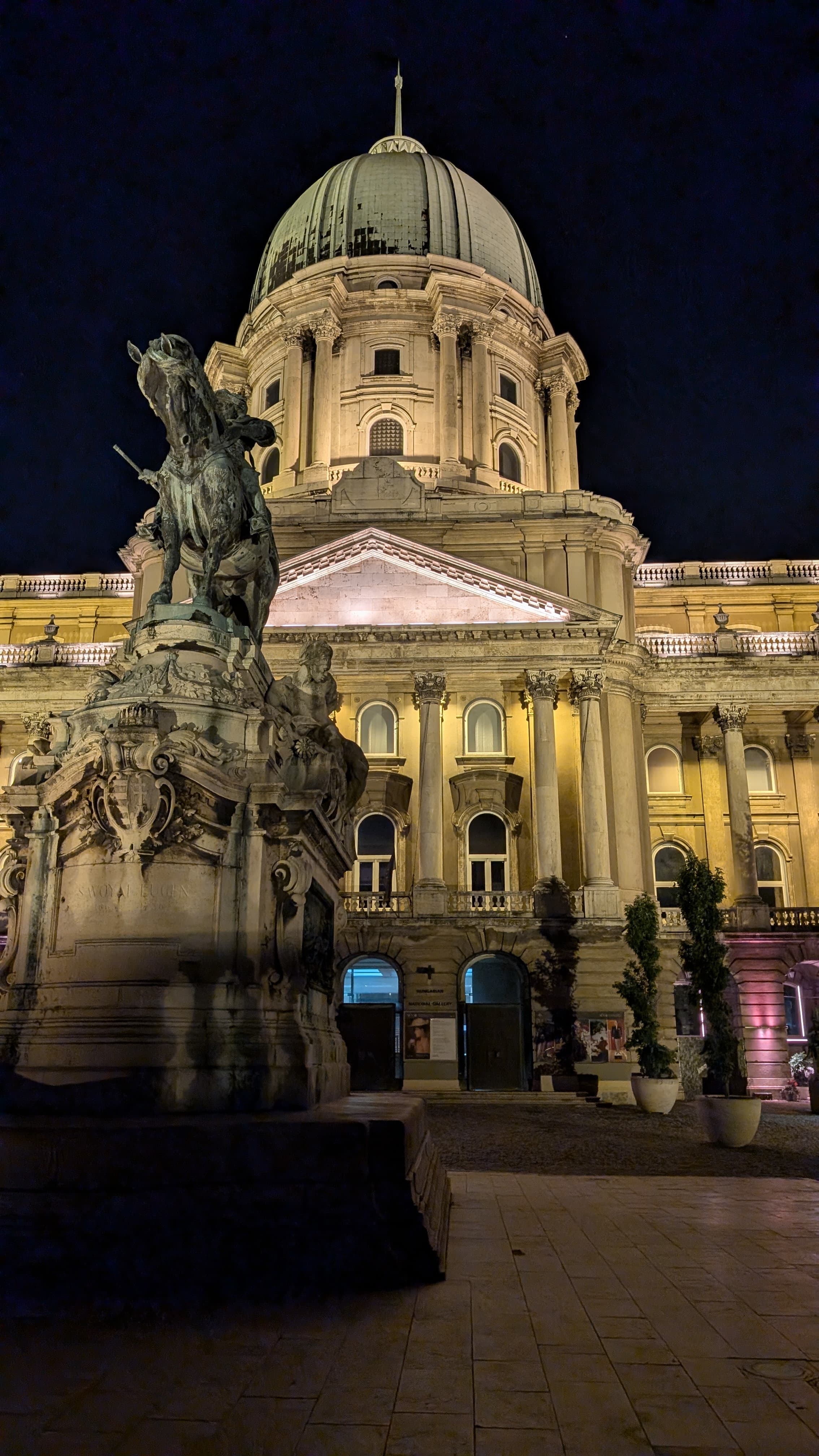
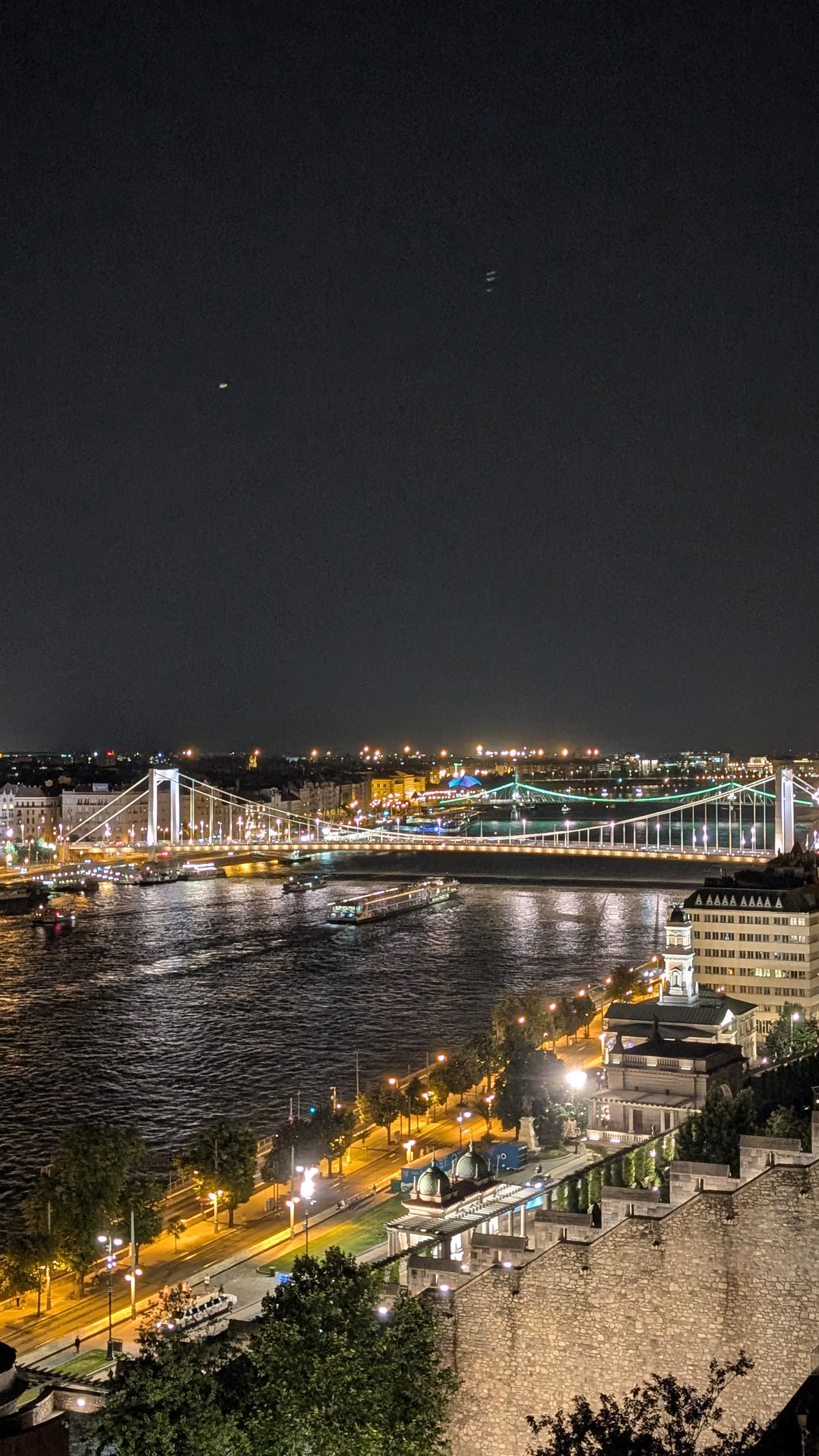
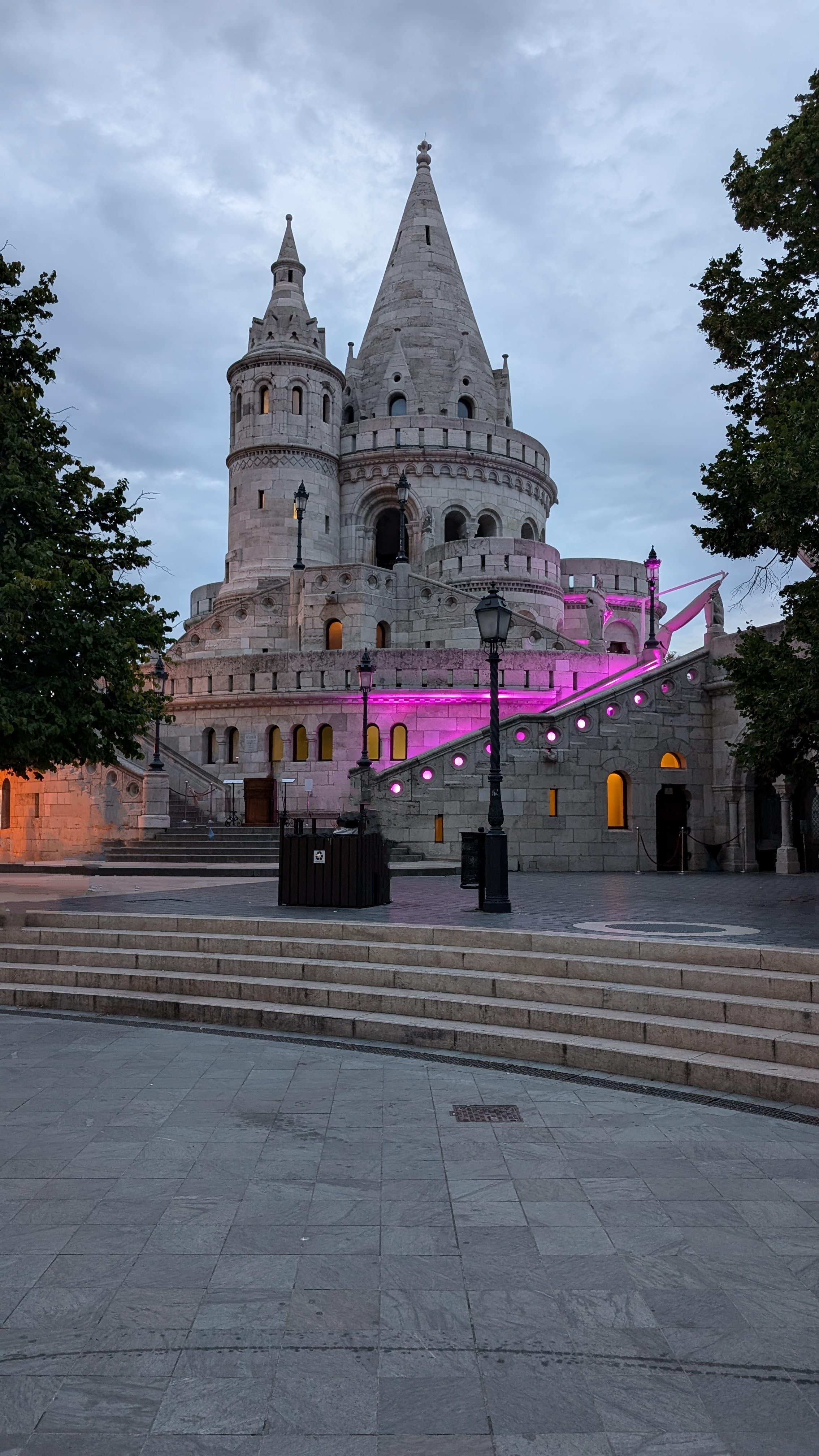
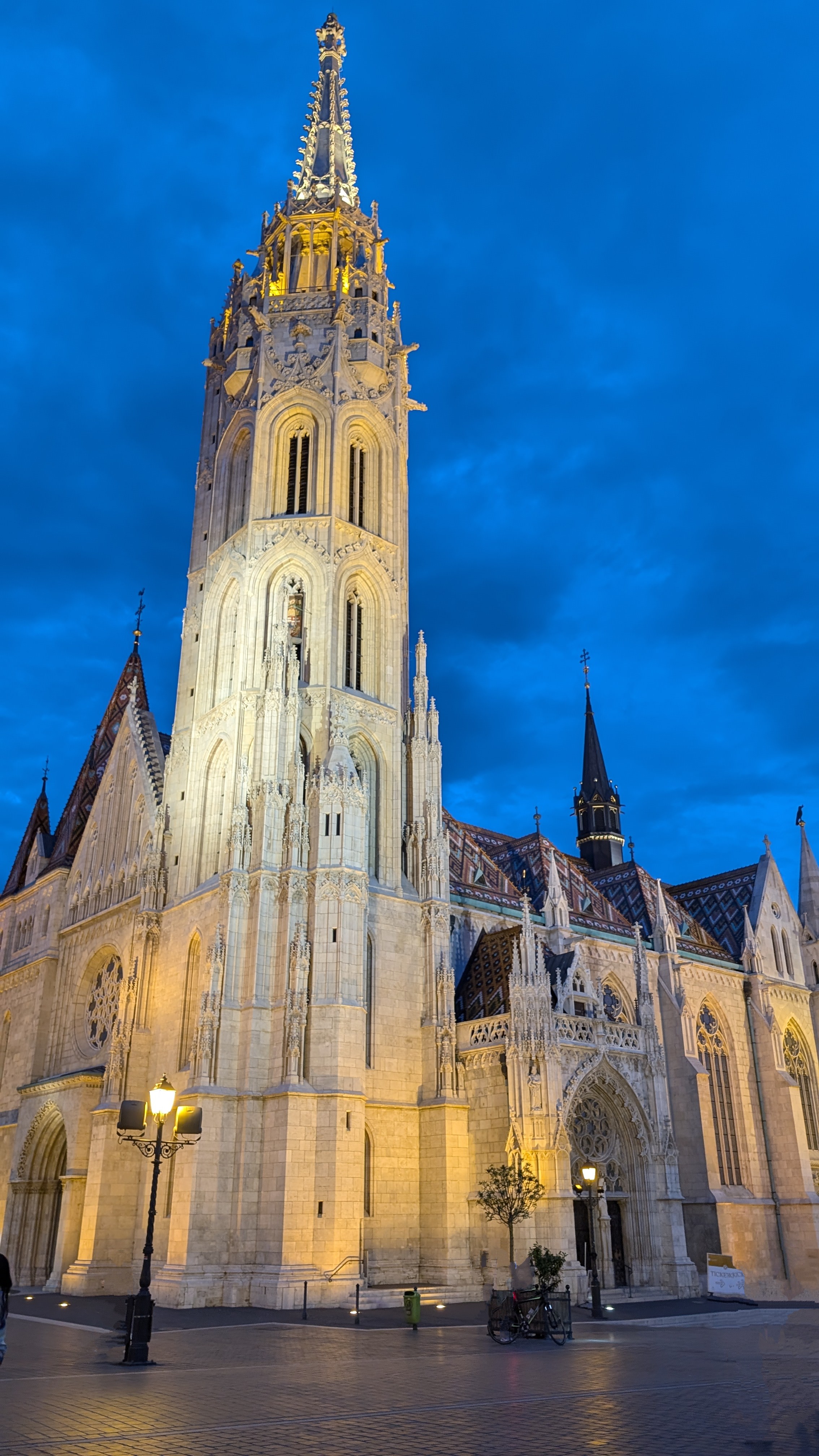
The Danube at Budapest is wider than you expect. You stand on the Chain Bridge — the first permanent bridge to connect the two halves of the city, built in 1849 — and look north and south and the river fills the horizon in both directions. To the west, Buda rises on its limestone hills: the Royal Palace, the Fishermen's Bastion, the white towers of the Matthias Church. To the east, Pest spreads flat and vast: the parliament building lit up along the riverbank, the Grand Market Hall, the dense grid of boulevards behind it. The view from the bridge is the view that explains the city in thirty seconds.
I arrived from Vienna by train — three hours, comfortable, the Danube visible for stretches along the way — and spent five days. Budapest rewards time. It is a city with layers that only reveal themselves slowly, and the first-day experience of the tourist sites is the least of what it is.
The Thermal Baths
Budapest sits on 120 natural hot springs, and the city has been building bathhouses over them since Roman times. The current bathhouse culture dates from the Ottoman occupation of the sixteenth and seventeenth centuries, when the Turks constructed the first formal hammams. The Széchenyi Baths in Városliget park are the largest and most famous — a yellow Baroque palace with outdoor pools where the water temperature is 37 degrees Celsius year-round and old men play chess on floating boards in the steam.
Go on a weekday morning. The crowds that Instagram has built around the outdoor pools are real but manageable before ten. The indoor pools — the ones with the mosaic floors and the vaulted ceilings and the particular smell of mineral water — are quieter and more interesting. The Gellért Baths, on the Buda side, are smaller and more ornate, with an art nouveau interior that makes the experience feel more like entering a museum than a leisure facility.
Ruin Bars and the Night
The ruin bar phenomenon started in the early 2000s when entrepreneurs began opening bars in derelict Jewish quarter buildings — courtyards, abandoned apartments, disused industrial spaces — filling them with mismatched furniture, plants growing up walls, and very cheap beer. Szimpla Kert in the seventh district is the original and still the most interesting: a converted apartment building whose courtyard has been accumulated with years of found objects, art, plants, and bar counters. It is genuinely strange and genuinely full every night and not at all what you'd expect if you arrived from Vienna expecting a central European capital to behave accordingly.
The Jewish quarter itself — the seventh district — is worth exploring in daylight. The Dohány Street Synagogue is the largest in Europe and has a small cemetery in its courtyard where thousands of victims of the 1944–45 Budapest ghetto are buried. It is a serious place. Allow time to sit with it.
The Food
Hungarian food runs on paprika, fat, and time. Gulyás — the original goulash, which is a soup in Hungary, not a stew — is red with paprika and made from beef cooked for hours. Lángos is fried dough sold from street stalls, eaten hot with sour cream and cheese. The Great Market Hall on the Pest side of the Liberty Bridge is the right place to buy paprika to take home — the versions sold in the ground-floor stalls are substantially better than the supermarket versions, and the vendors will advise you on sweet versus hot.
Above the Danube