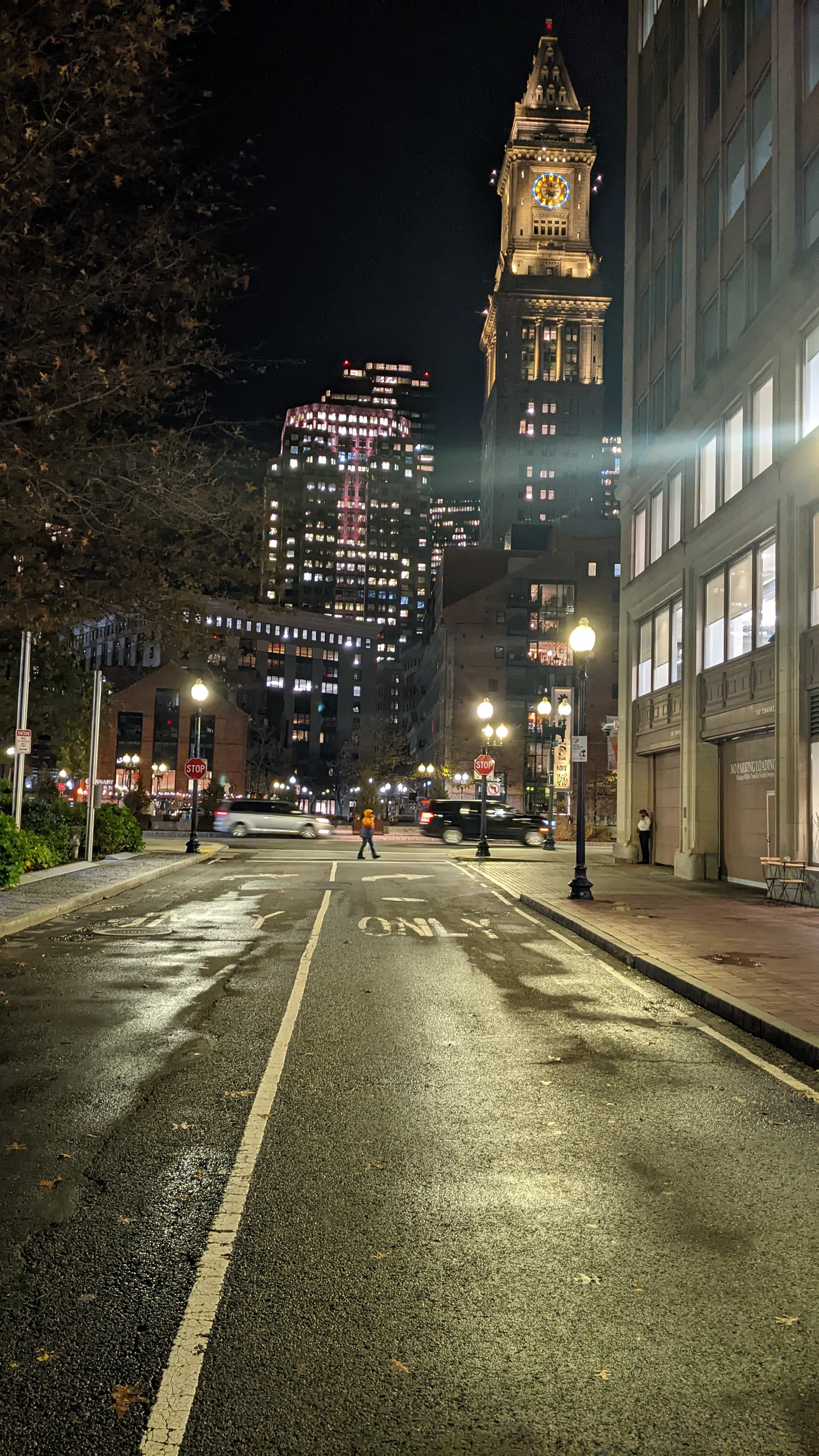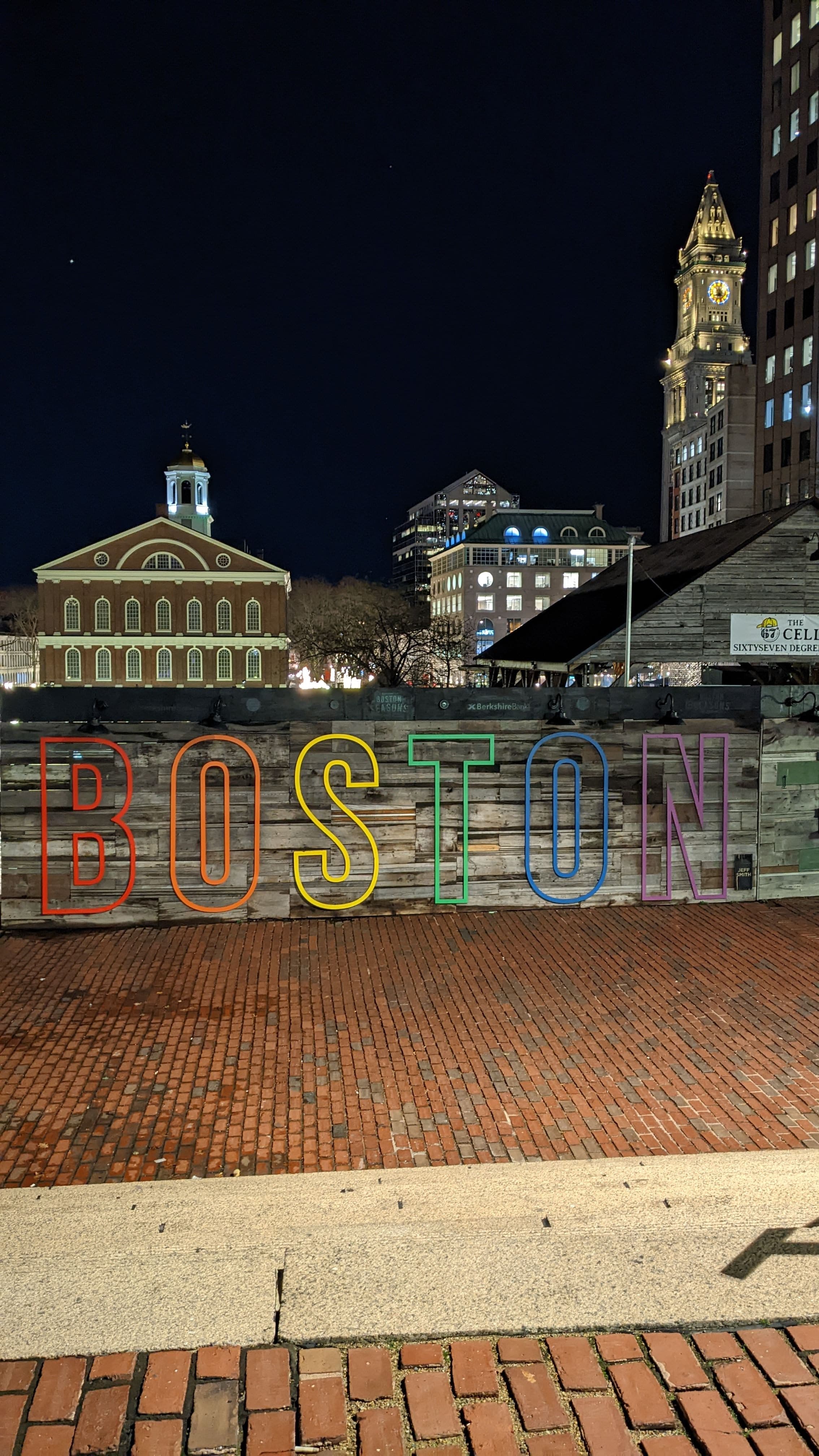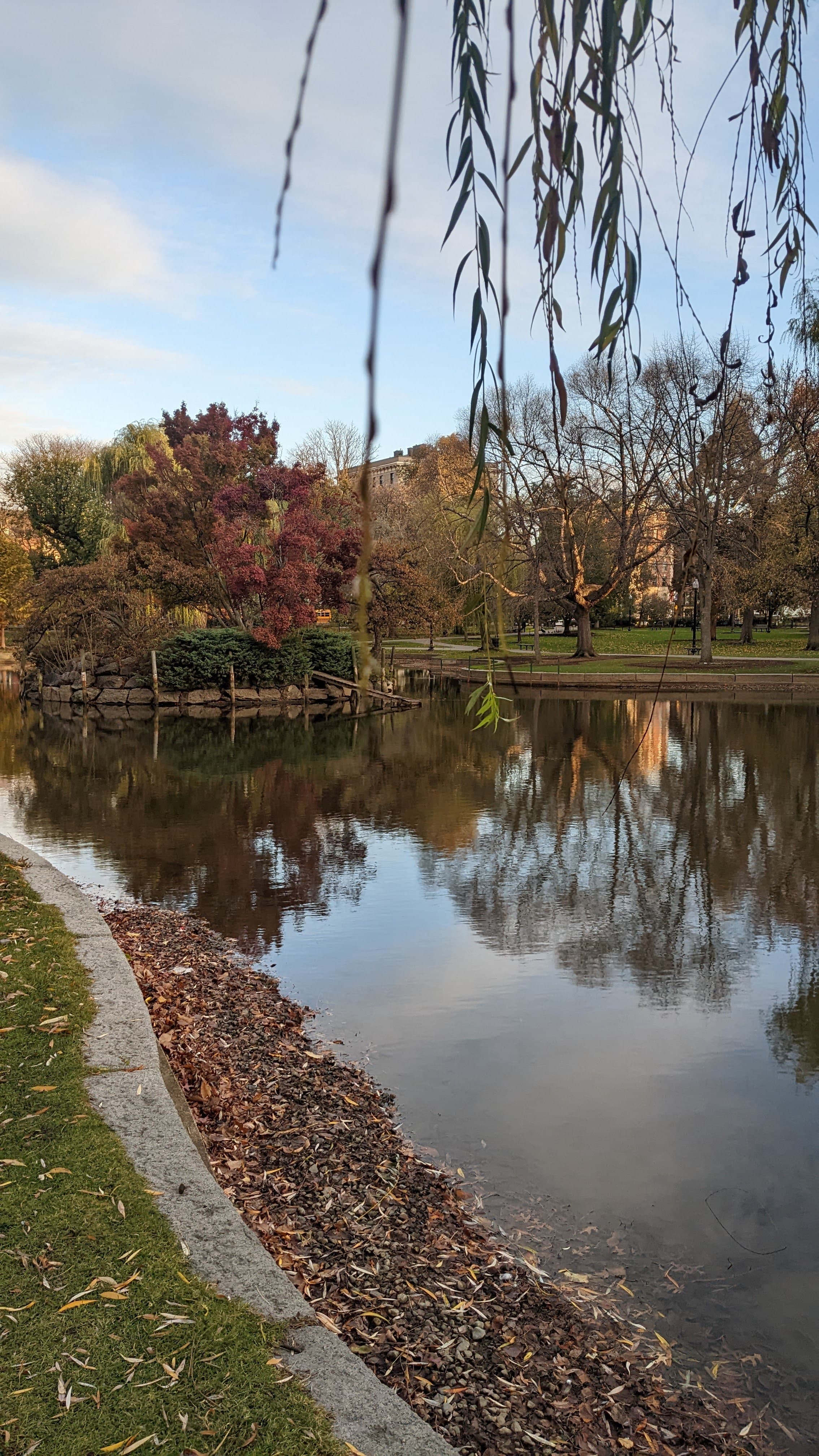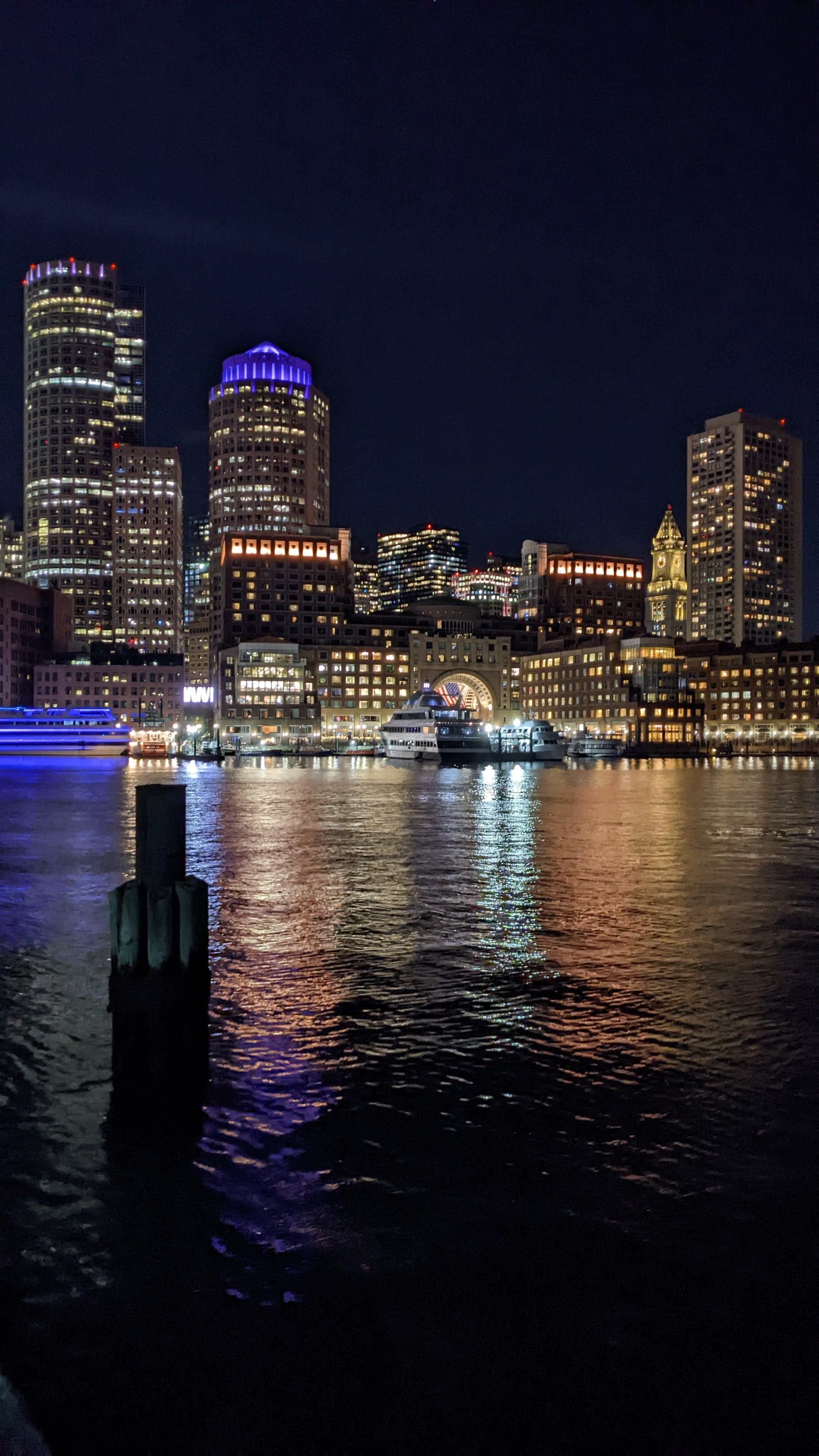
Boston: Freedom Trail and the Harbour
A colonial waterfront, Fenway Park, the Freedom Trail's 2.5 miles of American history, and a food scene better than its reputation
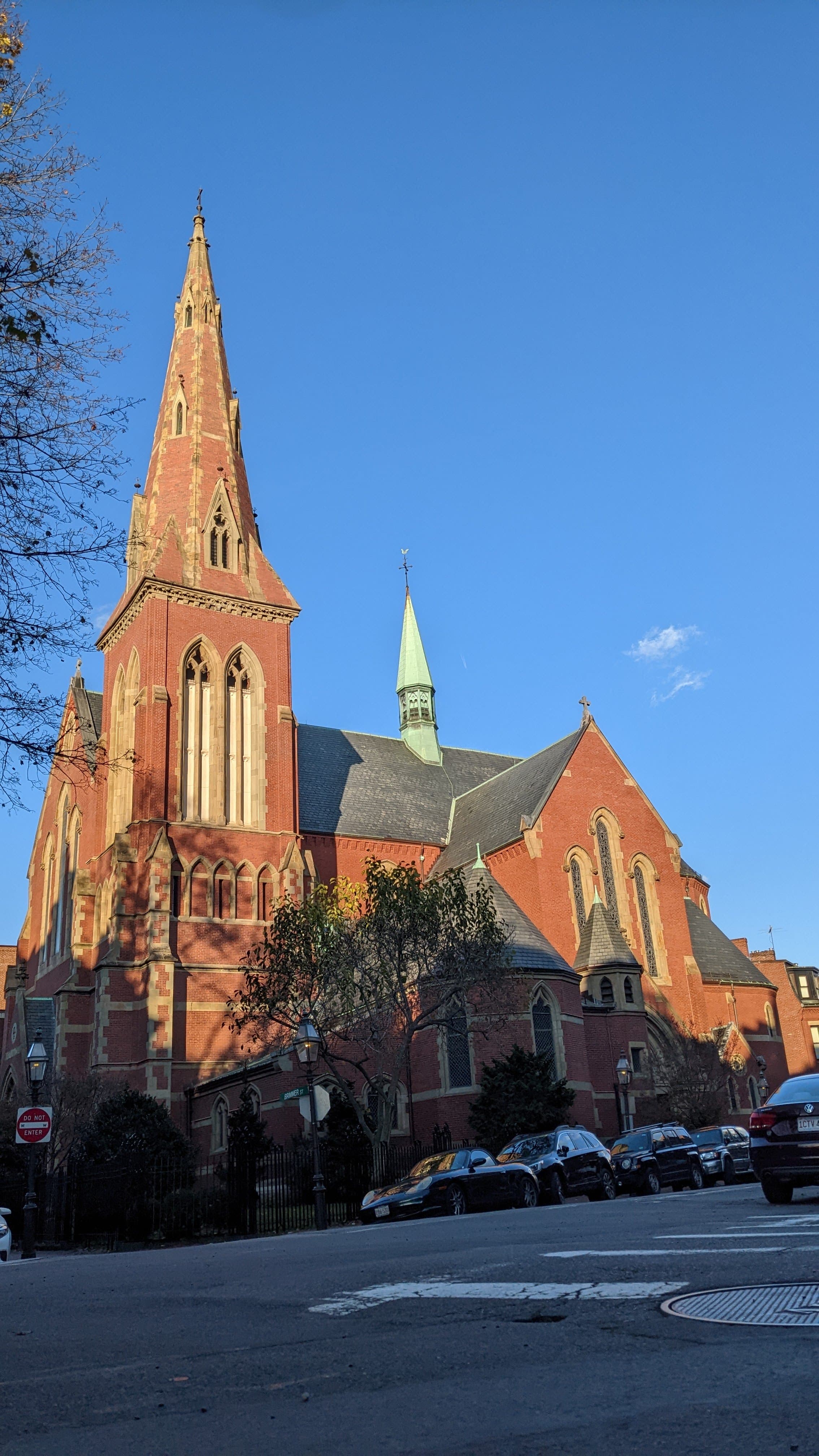
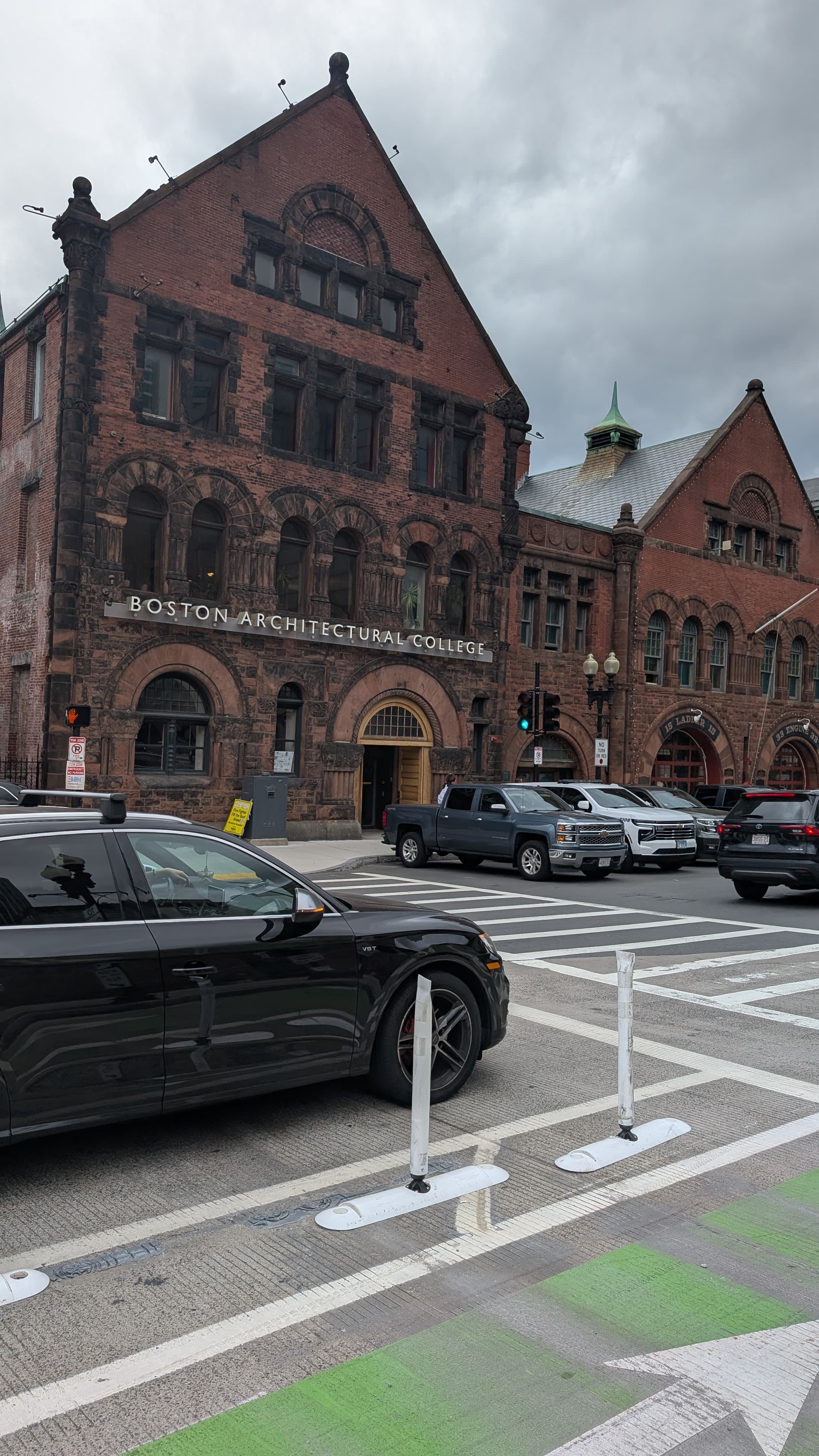
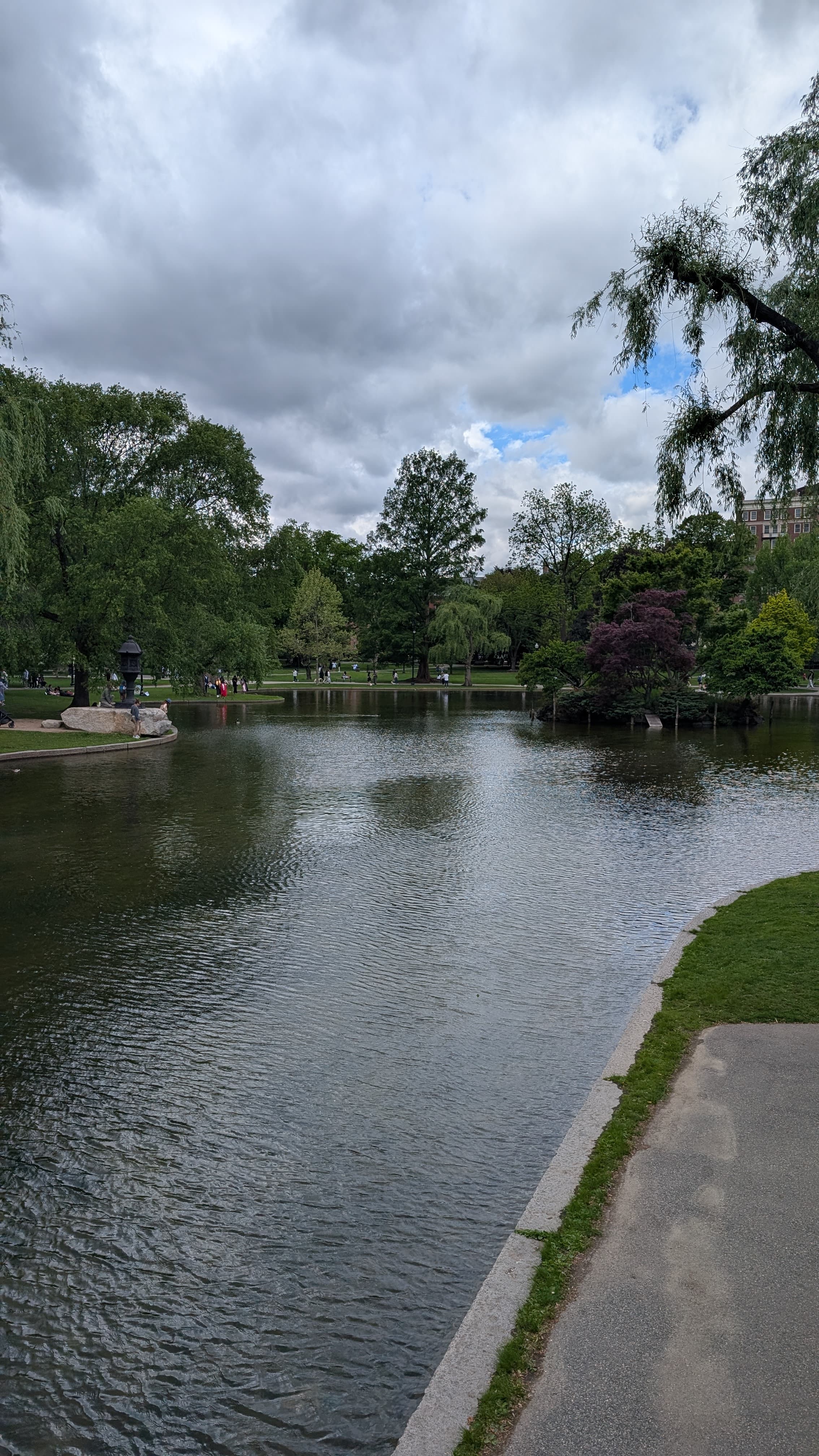
I've been to Boston twice — once in November 2022 for a long weekend, once in May 2025 for a week. The city rewards the return. It's one of those American cities that reveals itself slowly, neighbourhood by neighbourhood, and the second visit unlocks the parts the first one missed.
The first thing Boston does right is scale. It is walkable in a way that most American cities are not — compact, with a logical enough street grid (for New England, which is not saying much) and a transit system that mostly works. The Beacon Hill neighbourhood, the North End, the Waterfront, Cambridge across the river: all accessible without a car, all worth the time.
The Freedom Trail
The Freedom Trail is a 2.5-mile walking route connecting sixteen sites from the colonial and Revolutionary War periods — the Boston Common, the Paul Revere House, the Old North Church, the Bunker Hill Monument. It sounds like obligatory tourist infrastructure and turns out to be genuinely engaging. The sites are real (not reconstructed), the distances walkable, and the accumulated weight of early American history in such a concentrated area is surprising even if you came in skeptical. The Old Granary Burying Ground alone — Paul Revere, John Hancock, Samuel Adams, all buried within a few metres of each other — is worth the detour.
The North End and the Waterfront
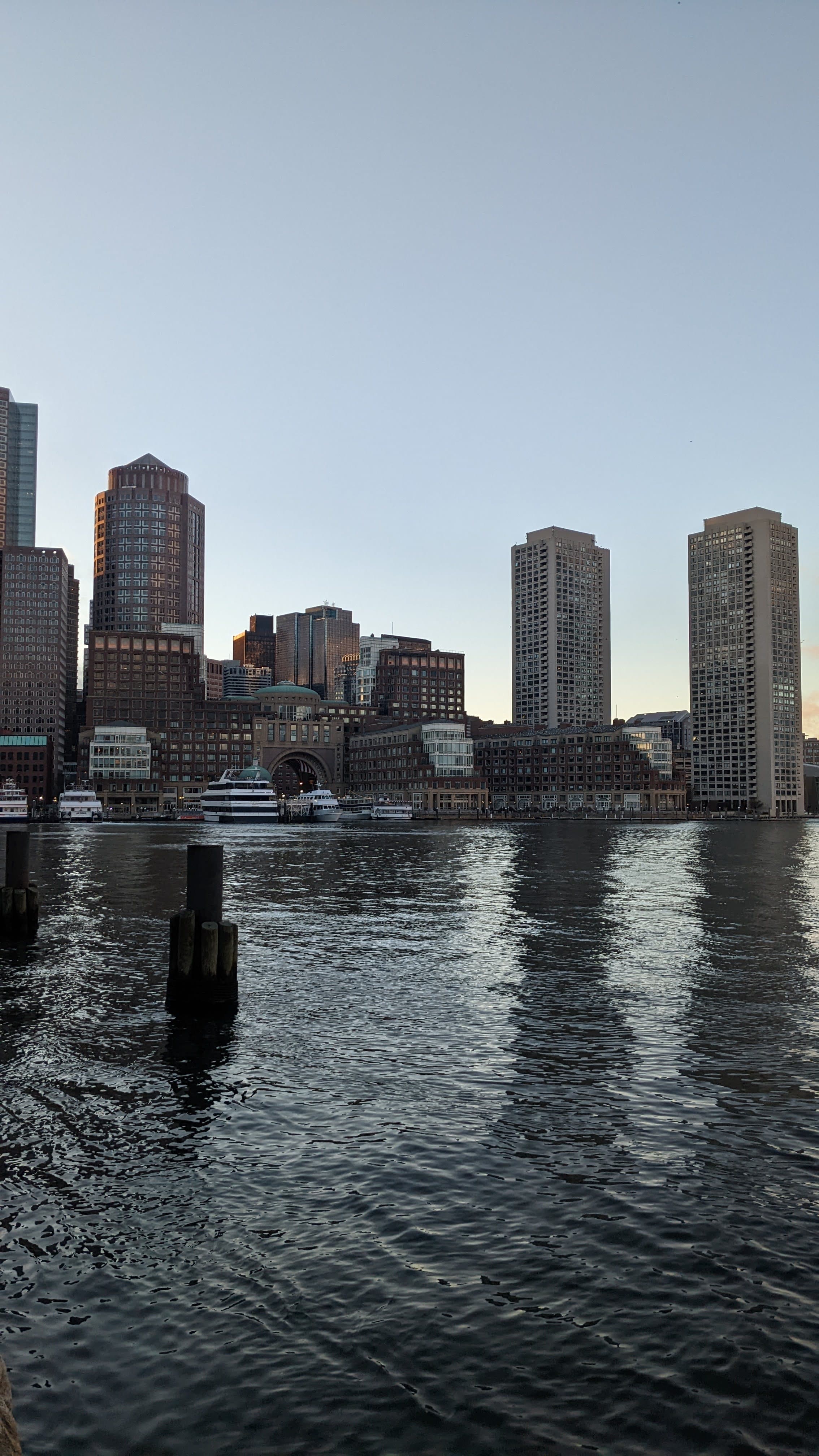
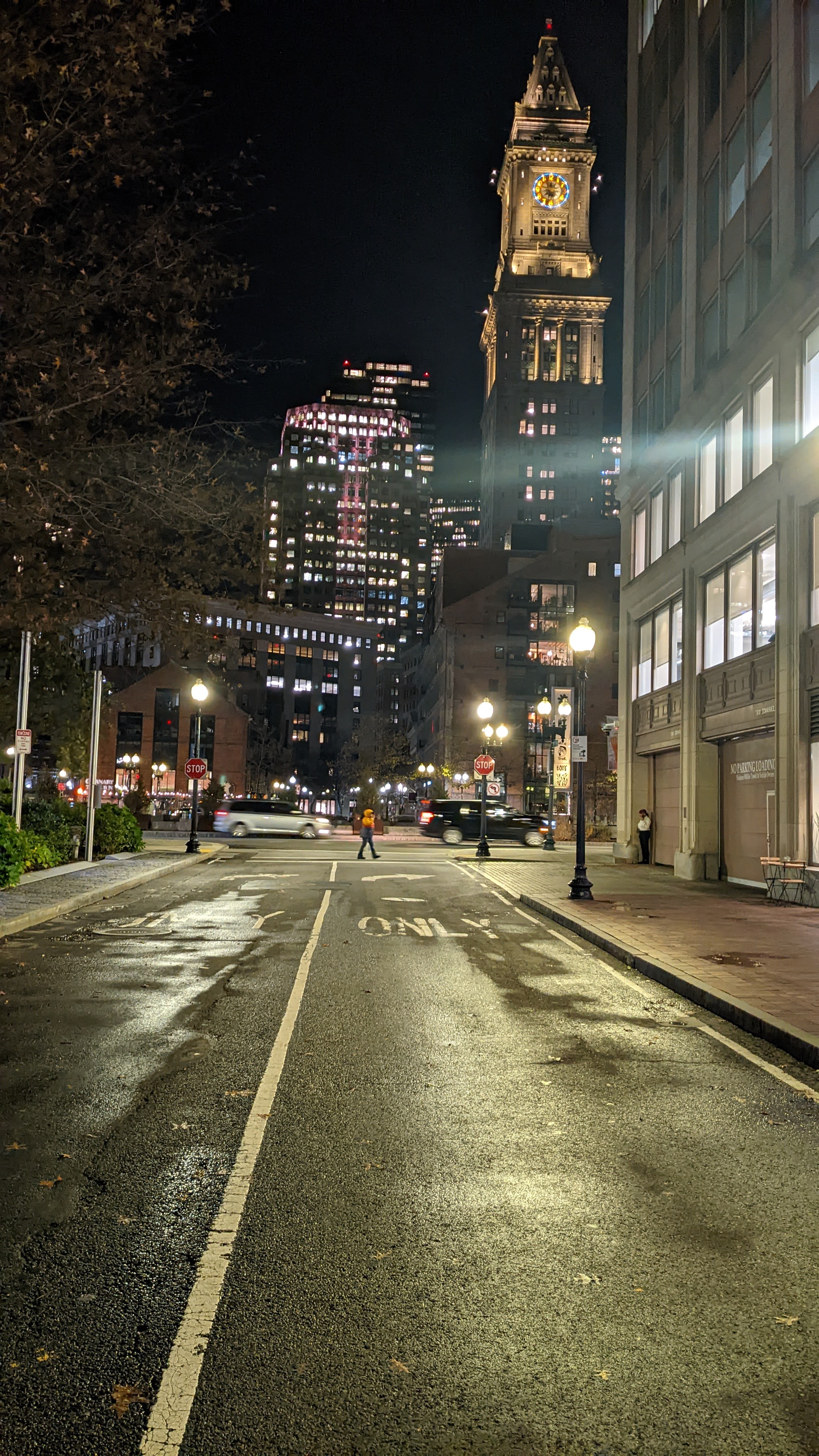
The North End is Boston's Italian American neighbourhood and, more practically, the best place to eat in the city. The restaurants on Hanover Street and the surrounding lanes are dense and reliably good; the pastry shops (Mike's, Modern) are open late and justifiably famous. The Waterfront — the Rose Kennedy Greenway, the renovated wharves, the Institute of Contemporary Art — has been transformed since the Big Dig buried the elevated highway underground, and the result is a city that actually uses its relationship with the harbour.
Cambridge and Fenway
Cambridge across the Charles River is its own world — Harvard Square, the MIT campus, bookshops, coffee, an intellectual density that is slightly self-aware but also genuinely stimulating. Fenway Park, the oldest Major League Baseball stadium still in use (1912), is a pilgrimage site regardless of your interest in baseball. The structure, the sight lines, the Green Monster left-field wall — it is a lesson in what sports architecture can be when it accumulates history instead of replacing it.
Boston