Artvin: The River That Runs Through the End of the World
The Çoruh gorges, a Georgian monastery that predates the Ottoman Empire, and the silence of the Black Sea highlands
Artvin is in the far northeast corner of Turkey, in a region so geographically complex — deep river gorges, forested ridges, high plateau, the sudden proximity of Georgia — that it has always functioned as its own world, loosely attached to whatever empire happened to be nominally in control. Byzantines, Georgians, Mongols, Ottomans: all passed through. The landscape absorbed them and continued as before.
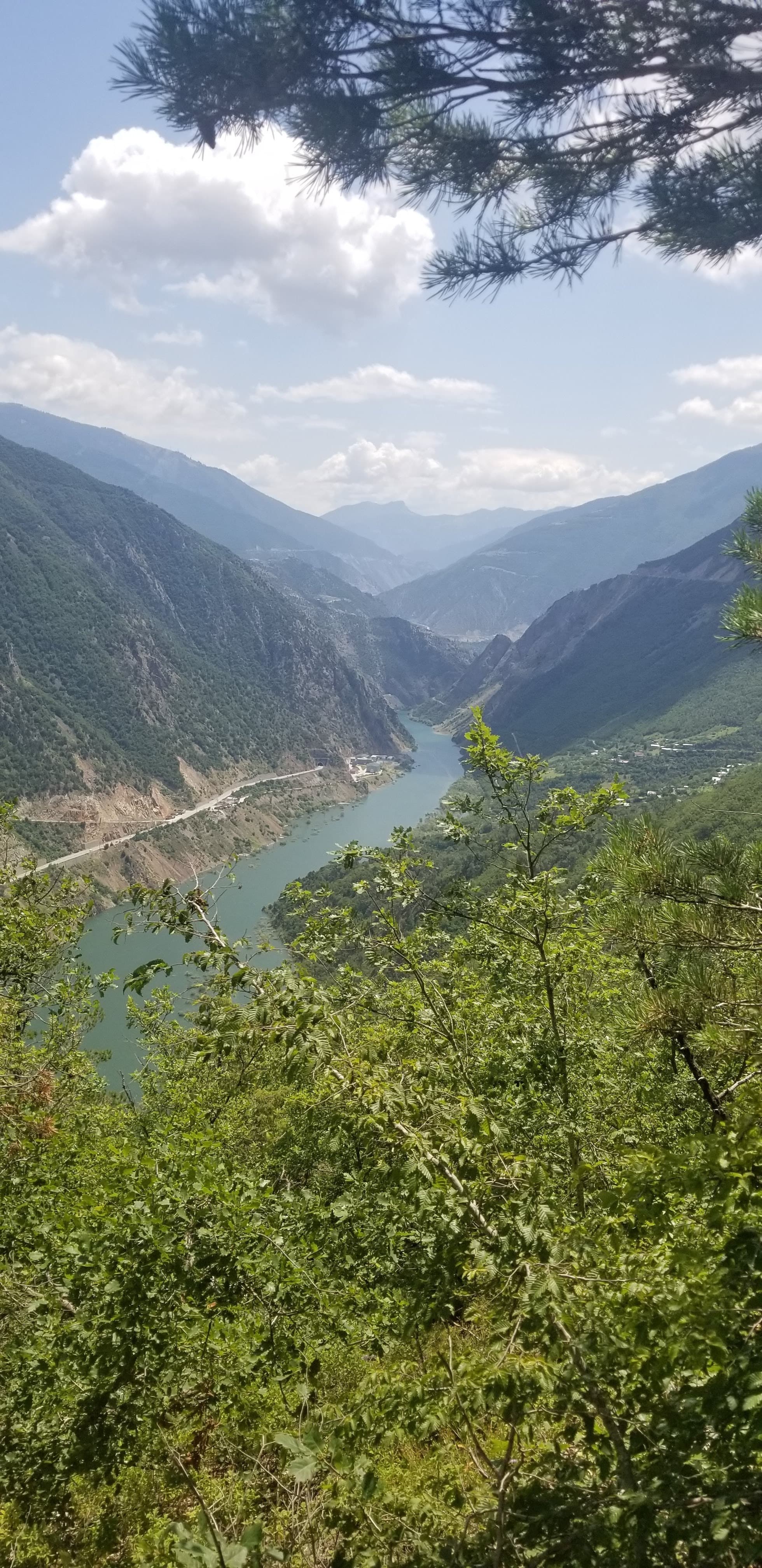
The city itself is built on an almost comically steep slope — roads switchback up the hillside, houses are stacked above each other with gardens of persimmon and hazelnut, and the view from any upper terrace is the Çoruh valley below, green and deep, the river a thread of silver at the bottom.
The Çoruh Gorges
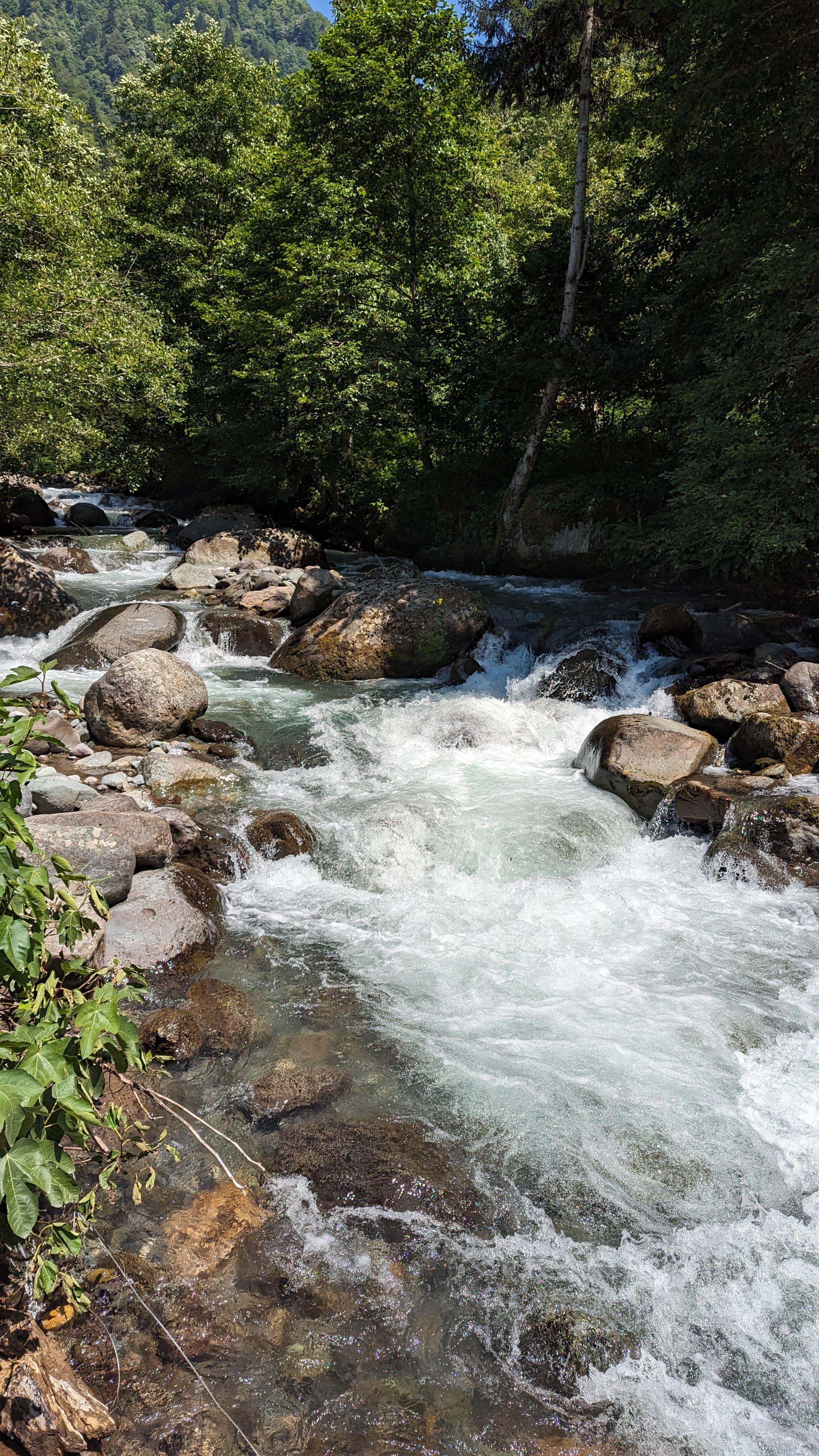
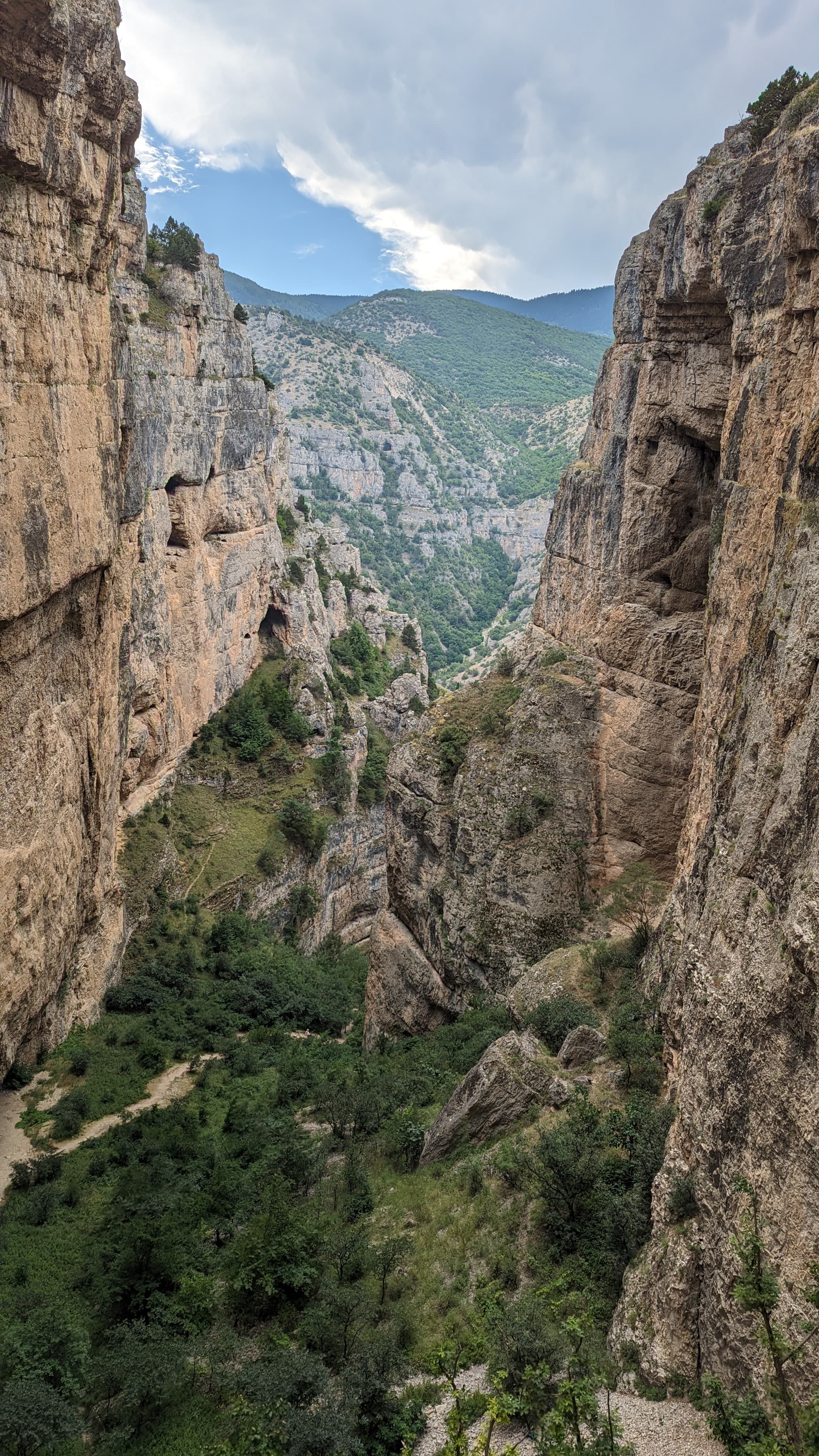
The Çoruh is a serious river. It runs fast — technically, it is one of the fastest in the world in terms of gradient — and the gorges it has cut through the mountains are dramatic in a way that photographs struggle to convey. The walls of the gorge rise hundreds of metres; the vegetation changes with altitude from riverine scrub to mixed forest to bare rock; the road runs along the edge with a regularity that you either find thrilling or exhausting.
Before the Yusufeli Dam was completed (2022), the lower gorge was accessible by road all the way to the river. Parts of it are now submerged, but the upper sections remain, and the road east from Artvin toward Georgia passes through scenery that has no parallel in the rest of Turkey.
Dörtkilise
Dörtkilise — Four Churches — is a Georgian monastery complex in a narrow side valley east of Artvin, built between the ninth and eleventh centuries when this region was the heartland of the medieval Kingdom of Georgia. The main church is large — larger than it looks from a distance — and the carved stone relief panels on the exterior (saints, animals, geometric ornament) are in excellent condition for their age.
The drive to get there follows a dirt road through forest for twenty minutes and you may see no other visitors. The complex is unlocked and unguarded. Swallows nest in the nave. The light through the small windows moves across the carved stone floor as the day progresses. Sitting inside in the quiet, you understand how far this is from Istanbul.
Highland Villages and Honey
The villages above Artvin — reached by roads that wind up through hazelnut orchards and into the spruce zone — are some of the most traditional in Turkey. Stone houses, wooden barns, small terraced fields. In summer the women run the villages while the men work in the lowland cities; in autumn there is the harvest of hazelnuts and the preparation of bee hives for the honey that has made the region locally famous.
Artvin honey — in particular the honey from hives kept at altitude near the Georgian border — has a dark, complex flavour from the wildflower nectar that is distinct from the more commercial honey sold in Turkish markets. Buy it at a roadside stall or directly from a village house if someone invites you in. They will also give you tea and want to know where you're from.
The Kafkasor Festival
Every June, Artvin hosts the Kafkasor Bullfighting Festival (bull versus bull, no human involvement, relatively low drama by international bullfighting standards but deeply embedded in the regional culture) and a general festival of music, food, and highland tradition. The setting — a high meadow above the city with views of the Georgian mountains — is worth the trip alone.
Artvin & the Çoruh