Antalya: The Riviera That Earns It
Roman ruins, turquoise coves, and the Taurus Mountains behind everything — the Turkish coast at its most complete
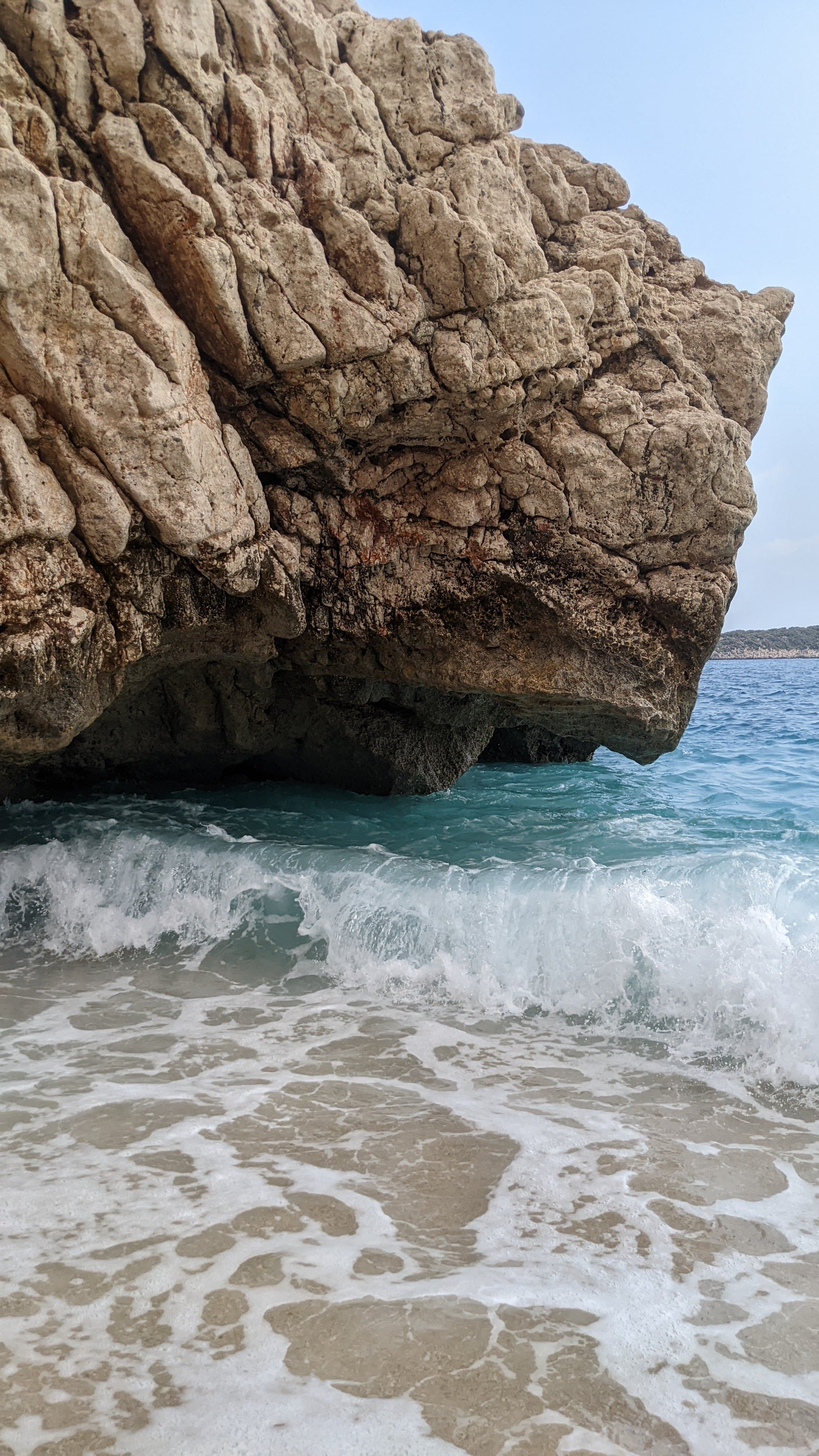
The thing about Antalya that takes a moment to register is how the landscape is layered. You're standing in the old city — Kaleiçi, the historic quarter — with Ottoman houses and Roman walls around you, and if you look north the Taurus Mountains are right there, white-capped in winter, their peaks above the plateau. And if you look south you see the Mediterranean, turquoise and flat, the old Roman harbour still in use below. A city between mountains and sea, with 2,000 years of continuous habitation in the middle.
I came in August 2022, which is peak season and hot — the kind of heat that makes you rethink afternoon plans. But the city had a rhythm I appreciated: early morning walks in the old quarter before the tour groups arrived, afternoons sheltering in the museum or on the water, evenings in the cooler air of the rooftop restaurants above the harbour.
Kaleiçi and the Roman Gate
The old city is compact enough to walk in an hour but dense enough to spend days in without running out of things to find. The Hadrian's Gate — built in 130 AD to commemorate the emperor's visit — is remarkably intact, three arches of marble in the middle of a pedestrian lane, with carved reliefs still legible in the stone. The Yivli Minaret is the landmark you see from everywhere: a fluted Seljuk minaret of the thirteenth century, dark red brick, standing above the harbour.
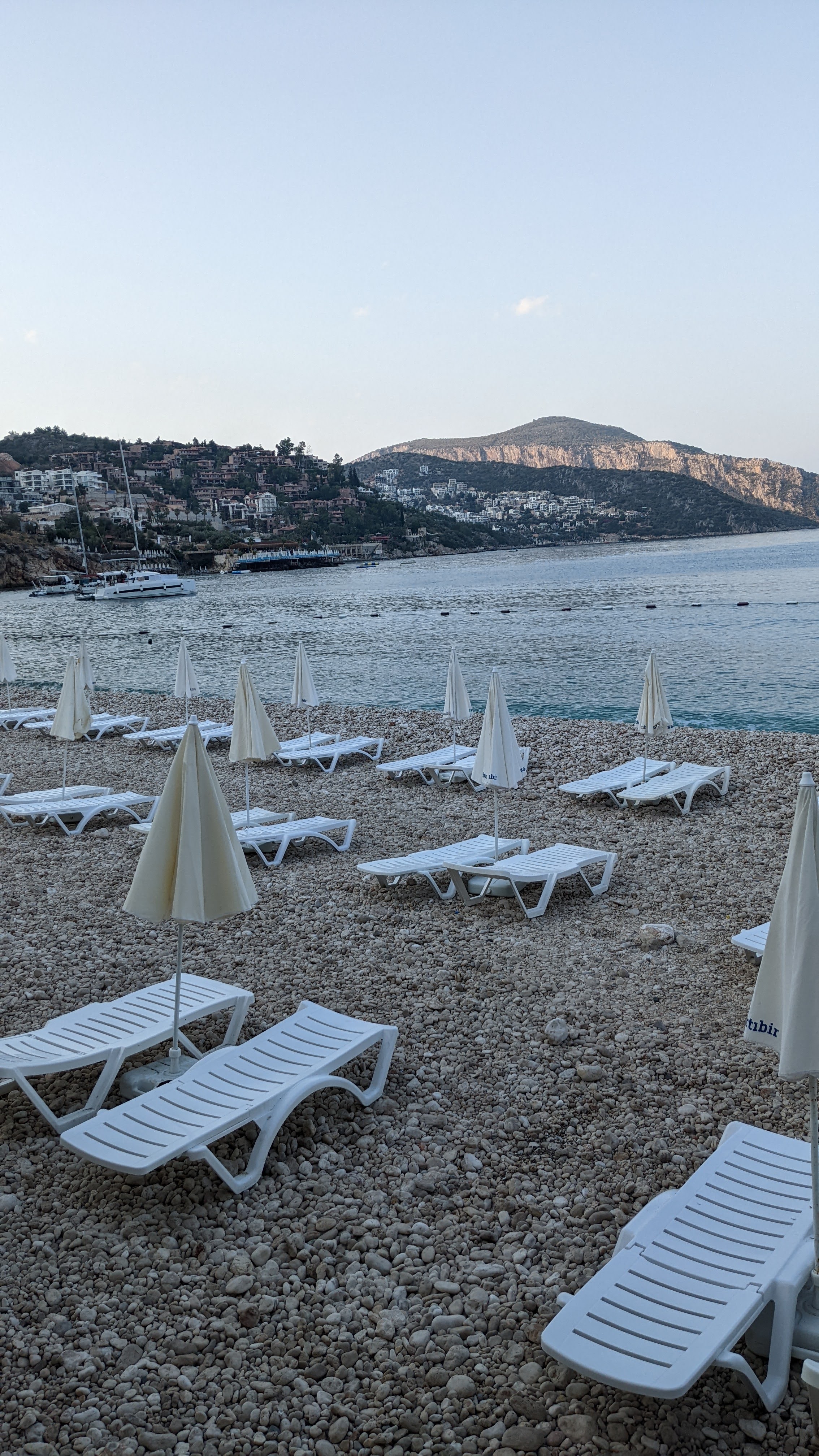
The harbour itself is the social centre — small fishing boats and wooden gulets tied up alongside, waterfront cafés, the water a deep Mediterranean blue that shifts to turquoise in the shallows. Evening brings the whole city here.
The Antalya Museum
The Antalya Archaeological Museum is one of the best regional museums in Turkiye, which is saying something. The collection covers everything from the nearby sites — Perge, Aspendos, Termessos — with galleries of Roman statuary that would be headline works in any European institution. The Perge section alone, with its gallery of marble portraits and mythological friezes, takes an hour to do properly. Allow more time than you think you'll need.
The Coast Around
Antalya's position makes it a useful base. Aspendos — with its extraordinary Roman theatre, one of the best-preserved in the world, still seating 15,000 and still hosting opera performances in summer — is 47 kilometres east. Termessos, the hilltop Pisidian city that Alexander the Great declined to attack, is north in the Taurus foothills. Düden Waterfalls drop directly into the sea at the city's edge. You could spend a week here and not repeat yourself. Most people spend three days. Extend it.
Antalya